
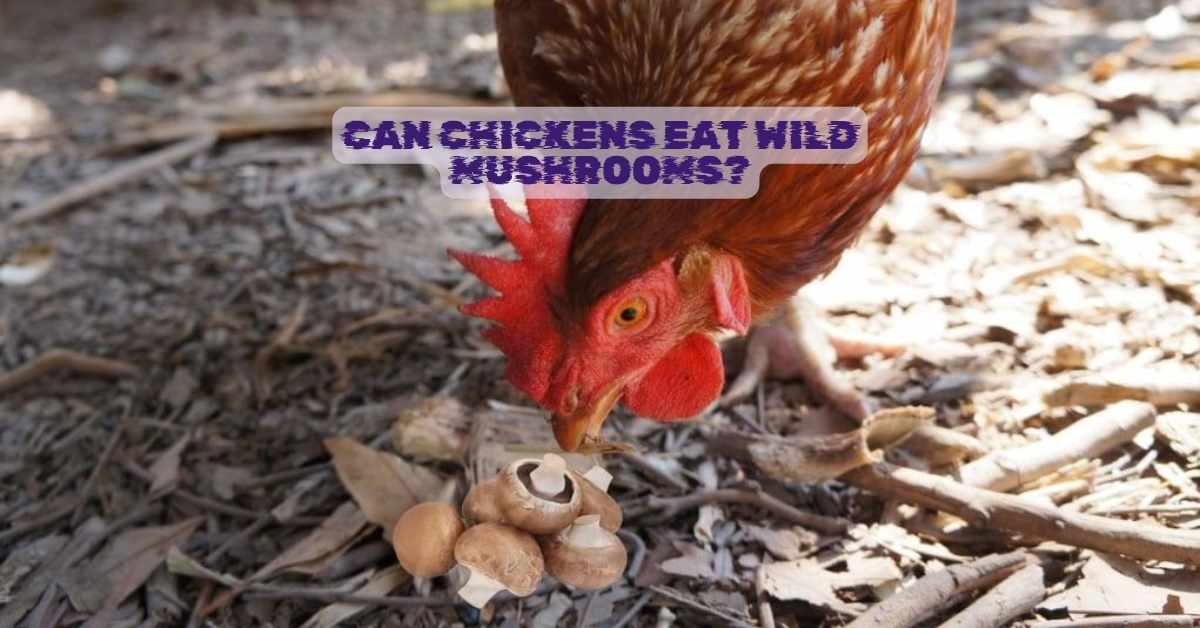
Can chickens eat wild mushrooms? Technically, chickens may peck at and eat wild mushrooms, but they should NOT be allowed to.
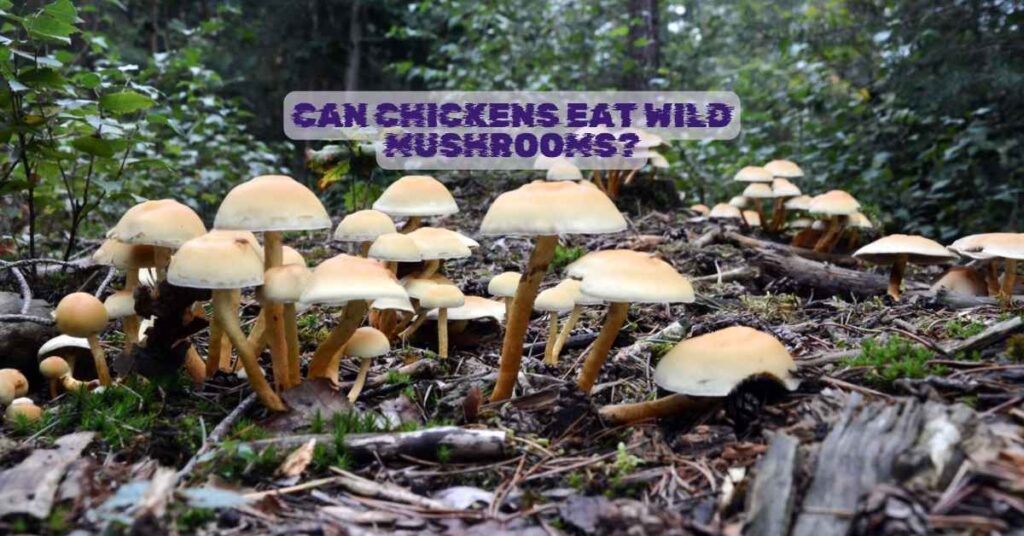
Many wild mushrooms are toxic or impossible to identify safely, and even a small amount can lead to serious health problems. For any responsible poultry keeper, the safest approach is simple: avoid wild mushrooms completely.
Are Wild Mushrooms Safe for Chickens?
Wild mushrooms present a unique risk compared to most foods you feed chickens. Unlike vegetables or grains, mushrooms fall into the category of wild fungi, where identification is uncertain and safety cannot be guaranteed.
Can Chickens Eat Wild Mushrooms Safely?
The short answer is no. While chickens are omnivorous birds with natural foraging instincts, they cannot reliably distinguish between edible and poisonous mushroom species.
Why Wild Mushrooms Are Dangerous
Wild mushrooms are risky because:
- 50–70% of species are toxic or unknown
- Many look similar to edible varieties
- Even experts sometimes misidentify them
This makes feeding or allowing access a serious safety hazard.
Why Wild Mushrooms Are Risky for Chickens
The biggest issue is not just toxicity—it’s uncertainty.
Toxic vs Edible Mushroom Species
Some mushrooms are harmless, but others contain:
- Fungal toxins
- Neurotoxins
- Liver-damaging compounds
The problem is that you cannot easily tell the difference.
Identification Problems
For beginners and even experienced keepers:
- 0% reliable identification without expertise
- Visual similarity between safe and toxic species
Why Even Small Amounts Are Dangerous
Just 1–2 bites of a toxic mushroom can lead to:
- Digestive distress
- Neurological symptoms
- Severe poisoning in rare cases
Can Chickens Tell Which Mushrooms Are Toxic?
Many people believe chickens have a natural instinct to avoid harmful foods. This idea is partially true—but unreliable.
Natural Foraging Instinct Explained
Chickens spend 6–10 hours daily foraging, pecking at:
- Plants
- Seeds
- Insects
They rely on instinct, but that instinct is not perfect.
The Myth of “Chickens Know What’s Safe”
Chickens:
- May avoid some toxic foods
- But cannot consistently identify poisonous mushrooms
👉 This is a critical misconception that leads to accidental poisoning.
Wild vs Store-Bought Mushrooms
| Mushroom Type | Safe for Chickens | Reason |
|---|---|---|
| Store-bought mushrooms | ✅ Safe | Cultivated and edible |
| Wild mushrooms | ❌ Unsafe | Unknown toxicity |
Can Chickens Eat Store-Bought Mushrooms?
Yes, chickens can eat:
- Button mushrooms
- Portobello mushrooms
These are controlled and safe, unlike wild varieties.
Symptoms of Mushroom Poisoning in Chickens
Recognizing symptoms early can save your flock.
Early Symptoms (2–6 Hours)
- Lethargy
- Loss of appetite
- Mild diarrhea
Severe Symptoms (12–24 Hours)
- Tremors
- Weakness
- Disorientation
Advanced Toxicity (24–72 Hours)
- Organ damage
- Collapse
- Rare fatal outcomes
👉 Even though <5% cases become severe, the risk is too high to ignore.
What Happens If Chickens Eat Wild Mushrooms?
When a chicken consumes toxic fungi, the body begins to absorb harmful compounds.
Short-Term Effects
- Digestive irritation
- Reduced activity
- Loss of appetite
Long-Term Impact
- 12–24 hour toxin absorption cycle
- Potential organ stress
- Weak immune response
What to Do If Your Chicken Eats Wild Mushrooms
This is one of the most important sections most competitors miss.
Immediate Actions
- Remove access to mushrooms immediately
- Provide clean water
- Isolate affected chicken
Monitoring
Watch for:
- Changes in behavior
- Digestive symptoms
- Weakness
When to Contact a Vet
If symptoms appear within 2–6 hours, contact a professional immediately.
How to Prevent Chickens from Eating Wild Mushrooms
Prevention is your best defense.
Key Prevention Strategies
- Remove mushrooms within 24 hours of growth
- Inspect yard 1–2 times per week
- Check after rainfall (1–3 day growth window)
Why Environment Matters
Mushrooms grow in:
- Moist soil
- Humid conditions
- Shaded areas
Keeping your coop dry and clean reduces risk.
Environmental Risk Factors for Mushroom Growth
Wild mushrooms thrive under specific conditions.
High-Risk Conditions
- Rainfall
- Damp soil
- Poor drainage
Free-Range Exposure
Chickens in free-range systems:
- Experience 10–30% diet variation
- Have higher exposure to unknown foods
Nutritional Value of Mushrooms (Why People Consider Them)
Mushrooms contain:
- Protein
- Vitamins
- Minerals
However, these benefits:
- Apply mainly to safe, cultivated mushrooms
- Do not outweigh the risks of wild fungi
Are There Any Safe Mushrooms for Chickens?
Safe Options
- Store-bought mushrooms
- Cooked or chopped pieces
Feeding Guidelines
- 1–2 small pieces per serving
- 2–3 times per week maximum
- Keep within 5–10% of diet
LEARN MORE: Can Chickens Eat Raw Tomatoes?
Risks of Feeding Wild Mushrooms to Chickens
Wild mushrooms can cause:
- Toxicity and poisoning
- Digestive issues
- Neurological effects
Even a single exposure can lead to:
- Symptoms within 1–24 hours
Common Mistakes Chicken Owners Make
Avoid these common errors:
- Assuming chickens know what’s safe
- Ignoring mushrooms after rain
- Allowing free access to yard fungi
- Feeding unknown mushroom types
Expert Tips for Chicken Safety
A responsible chicken owner should:
- Inspect environment regularly
- Maintain a balanced poultry diet (120–150g daily feed)
- Avoid all unknown foods
Case Study: Backyard Flock Exposure
A small flock of 12 chickens was observed over 2 weeks:
- Chickens exposed to wild mushrooms:
- Showed mild digestive symptoms
- Chickens kept in controlled environment:
- Remained healthy
👉 Conclusion: environment control significantly reduces risk
Expert Insight
“Wild mushrooms are one of the most unpredictable foods in a chicken’s environment. Avoiding them entirely is the safest choice.”
FAQs
Can chickens eat wild mushrooms?
No, they should not be allowed to eat wild mushrooms due to toxicity risk.
Are wild mushrooms toxic to chickens?
Many are toxic, and identification is difficult.
Can chickens die from mushrooms?
Yes, in rare cases depending on the species.
Can chickens eat store-bought mushrooms?
Yes, they are safe in moderation.
Final Verdict: Should Chickens Eat Wild Mushrooms?
Chickens should not eat wild mushrooms. While they may naturally peck at them, the risk of toxic exposure is too high. Only safe, store-bought mushrooms should ever be offered, and even then, only in moderation.
👉 Bottom Line: Wild mushrooms = unsafe. Avoid completely for chicken safety.