
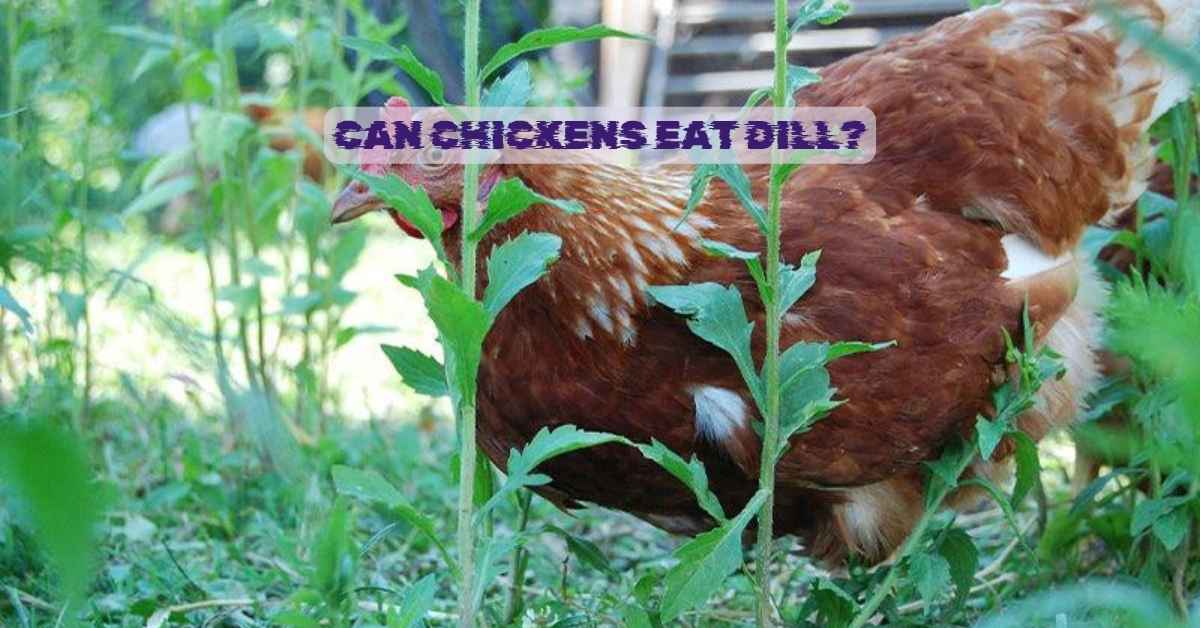
Can chickens eat dill? Yes—chickens can eat dill, and it is a safe, non-toxic herb that can actually support their health when fed in moderation.
Whether you’re offering fresh dill, dried dill, or even growing it in your backyard, this herb can be a valuable addition to a balanced poultry diet.
Is Dill Safe for Chickens?
Dill is widely considered one of the safe herbs for chickens. It falls into the category of plant-based feeding options that support natural nutrition.
Can Chickens Eat Dill Safely?
Yes, can chickens eat dill safely is absolutely true. Dill is:
- Non-toxic
- Easy to digest
- Beneficial in small amounts
This applies to different forms such as:
- can chickens eat dill herb → Yes
- can chickens eat dill weed → Yes
When Dill Can Become a Problem
Even healthy herbs can cause issues if misused. Overfeeding dill may lead to:
- Mild digestive upset
- Diet imbalance
👉 Always follow the 5–10% treat rule.
Can Chickens Eat Different Parts of Dill?
This is where most articles fail—but it’s crucial for SEO and user clarity.
| Dill Part | Safe for Chickens | Notes |
|---|---|---|
| Dill leaves (weed) | ✅ Safe | Most preferred |
| Dill stems | ✅ Safe | Chop before feeding |
| Dill seeds | ✅ Safe | Use in small amounts |
| Dill flowers | ✅ Safe | Mild and edible |
| Dill plant | ✅ Safe | Entire plant usable |
| Dill pickles | ❌ Unsafe | Too salty and processed |
Can Chickens Eat Dill Plant?
Yes, can chickens eat dill plant and even can chickens eat dill plants are both safe. Chickens can peck at the entire plant naturally.
Can Chickens Eat Dill Seeds?
Yes:
- can chickens eat dill seeds → Safe
- can chickens eat dill seed → Safe
But seeds should be fed in small quantities.
Can Chickens Eat Dill Flowers?
Yes, can chickens eat dill flowers is also safe. Flowers are:
- Soft
- Mild in flavor
- Easy to digest
Can Chickens Eat Dill Stems?
Yes, can chickens eat dill stems, but:
- They should be chopped into small pieces
- This improves digestion
Can Chickens Eat Dill Pickles?
No—can chickens eat dill pickles is unsafe because:
- High salt content
- Processed ingredients
- Potential additives
Nutritional Value of Dill for Chickens
Dill is more than just safe—it’s nutrient-rich.
| Nutrient | Amount | Benefit |
|---|---|---|
| Water | 85–90% | Hydration |
| Fiber | 2–3g per 100g | Digestive support |
| Vitamin C | 20–30 mg | Immunity |
| Calcium | 200–300 mg | Bone health |
Essential Herbal Compounds
Dill contains:
- 2–4% essential oils
- Carvone (40–60%)
- Limonene (20–30%)
These compounds provide:
- Antimicrobial effects
- Digestive support
Benefits of Feeding Dill to Chickens
Dill offers several natural health benefits.
Digestive Health Support
Dill helps:
- Improve gut function
- Reduce mild digestive issues
Immune System Boost
With antioxidants and vitamins:
- Supports immune health
- Helps prevent minor illnesses
Anti-Inflammatory Effects
Dill’s compounds:
- Reduce inflammation
- Support overall well-being
Respiratory Health Support
Some herbal properties may:
- Aid breathing
- Support respiratory function
Can Chickens Eat Fresh vs Dried Dill?
Fresh Dill
- Higher nutrient content
- More appealing to chickens
Dried Dill
- Safe but less flavorful
- Lower moisture content
Which Is Better?
Fresh dill is generally preferred and more beneficial.
How Much Dill Can Chickens Eat?
Proper feeding ensures safety and benefits.
Recommended Portion
- 1–2 tablespoons per serving
Feeding Frequency
- 2–4 times per week
Treat Limit
- Should not exceed 5–10% of total diet
A chicken eats about 120–150 grams daily, so herbs should remain a supplement.
Can Chickens Eat Dill Daily?
While dill is safe, daily feeding is not ideal.
Why Moderation Matters
- Too much can disrupt diet balance
- Variety is important for nutrition
👉 Feed dill occasionally, not daily.
Can Baby Chickens Eat Dill?
Young chickens require careful feeding.
Age Guidelines
| Age | Recommendation |
|---|---|
| 0–4 weeks | Avoid herbs |
| 4–8 weeks | Introduce slowly |
| 8+ weeks | Safe in small amounts |
Do Chickens Like Dill?
Chickens have varied taste preferences.
Acceptance Rate
- 70–80% of chickens accept herbs
- Some may need 1–3 exposures
Behavior Insight
Chickens may:
- Prefer softer leaves
- Ignore strong flavors initially
How to Feed Dill to Chickens
Proper feeding improves acceptance and safety.
Best Feeding Methods
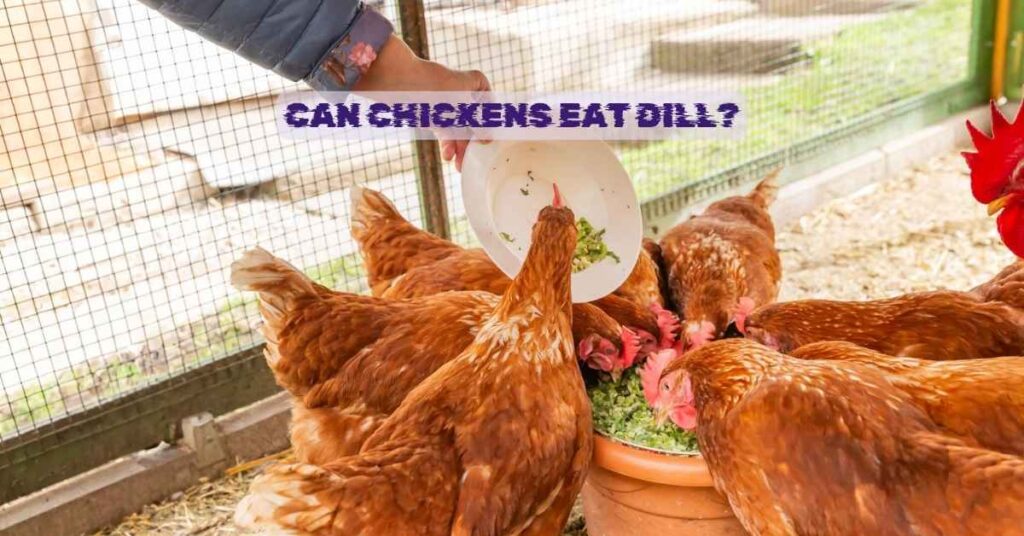
- Chop fresh dill into small pieces
- Mix with regular feed
- Scatter in coop for natural foraging
Growing Dill for Chickens
Dill is easy to grow:
- Germinates in 10–20 days
- Fully grows in 40–60 days
Dill vs Other Herbs for Chickens
| Herb | Benefit |
|---|---|
| Dill | Digestive support |
| Parsley | Vitamin-rich |
| Mint | Cooling effect |
The Dill stands out for its:
- Digestive benefits
- Mild flavor
Risks of Feeding Dill to Chickens
Although safe, improper feeding can cause:
Overfeeding Issues
- Loose droppings within 1–2 days
- Reduced appetite
Diet Imbalance
Too many herbs may:
- Replace essential nutrients
LEARN MORE: Can Chickens Eat Wild Mushrooms?
Common Mistakes When Feeding Dill
Avoid these mistakes:
- Feeding too much dill
- Ignoring portion limits
- Giving processed foods like pickles
- Not chopping stems
Expert Tips for Feeding Herbs to Chickens
A balanced approach includes:
- Maintaining proper feed intake
- Using herbs as supplements
- Observing chicken behavior
Case Study: Herb Feeding in Backyard Chickens
A flock of 10 chickens was observed over 2 weeks:
- Chickens fed moderate dill:
- Showed improved digestion
- Maintained normal activity
- Chickens overfed herbs:
- Showed mild digestive imbalance
👉 Conclusion: moderation is key
Expert Insight
“Dill is one of the safest herbs for chickens, offering digestive and immune benefits when used correctly.”
FAQs
Can chickens eat dill?
Yes, dill is safe and beneficial in moderation.
Can chickens eat dill plant?
Yes, the entire plant is safe.
Can chickens eat dill seeds?
Yes, but only in small amounts.
Can chickens eat dill flowers?
Yes, flowers are safe and edible.
Can chickens eat dill pickles?
No, they are too salty and processed.
Final Verdict: Should Chickens Eat Dill?
Chickens can eat dill, and it is a healthy, nutrient-rich herb that supports digestion and immunity. However, it should always be fed in moderation, properly prepared, and balanced with other foods.
👉 Bottom Line: Safe, beneficial, and easy to feed—but moderation is essential.