
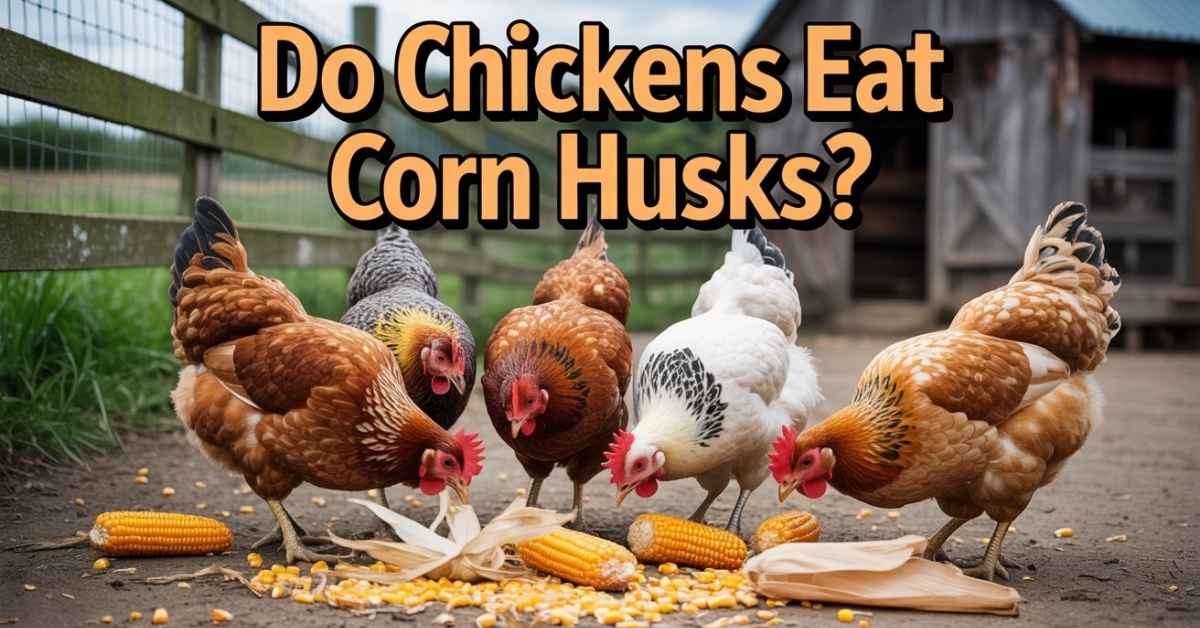
Do chickens eat corn husks? Yes, chickens can eat corn husks safely in moderation. Corn husks are non-toxic to backyard chickens and can provide fiber, roughage, natural pecking enrichment, and hydration when offered fresh and properly prepared. However, because corn husks are tough and fibrous, they should only be fed occasionally and cut into smaller pieces to improve poultry digestion and reduce crop blockage risks.
Many backyard flock owners notice chickens naturally pecking at corn plants, silks, and husks during free-range feeding. While corn husks are not highly nutritious compared to balanced poultry feed, they can still work as healthy enrichment treats and natural forage material for adult chickens.
Do Chickens Eat Corn Husks?
| Question | Answer |
|---|---|
| Do chickens eat corn husks? | Yes, in moderation |
| Are corn husks safe for chickens? | Yes |
| Can chickens digest corn husks? | Adult chickens usually can |
| Do chickens eat corn husks and silk? | Yes |
| Can chickens choke on corn husks? | Large tough strands may create risks |
| Are corn husks nutritious? | Mostly fiber and roughage |
| Can baby chicks eat corn husks? | Not recommended regularly |
What Are Corn Husks?
Corn husks are the leafy outer layers that cover sweet corn or maize ears. Chickens commonly peck at these fibrous plant materials during natural foraging activities.
Many poultry owners confuse:
- Corn husks
- Corn silks
- Corn leaves
Each part is different.
| Corn Plant Part | Description |
|---|---|
| Corn husks | Outer leafy covering |
| Corn silks | Thin thread-like fibers |
| Corn leaves | Larger green plant leaves |
| Sweet corn | Edible kernels |
Free-range chickens naturally investigate these materials because pecking behavior is part of their instinctive feeding habits.
Nutritional Value of Corn Husks for Chickens
Corn husks are not nutrient-dense foods like commercial poultry feed, but they still provide some value.
| Nutrient / Feature | Benefit |
|---|---|
| Fiber | Digestive roughage |
| Plant material | Natural forage |
| Hydration | Moisture from fresh husks |
| Low calories | Light enrichment snack |
| Roughage | Pecking stimulation |
The biggest benefit of corn husks is usually:
- Enrichment activity
- Natural pecking behavior
- Boredom reduction
- Foraging stimulation
Compared to grains or formulated feed, corn husks contain limited nutritional density. This is why balanced poultry feed should always remain the primary nutrition source for laying hens and backyard flocks.
Are Corn Husks Safe for Chickens?
Yes, corn husks are generally considered safe for chickens when offered correctly.
Adult backyard chickens can usually digest small amounts of fibrous plant material without problems. However, moderation is important because excessive roughage may create digestive issues.
Many flock owners searching:
- do chickens eat corn husks
- can chickens eat corn husks
- are corn husks safe for chickens
…mainly want reassurance that husks are non-toxic. The answer is yes, provided the husks are:
- Fresh
- Clean
- Mold-free
- Served in manageable portions
Can Chickens Digest Corn Husks?
This is one of the most important sections competitors often under-cover.
Corn husks contain:
- Tough fibers
- Rough plant material
- Fibrous texture
Because of this, chickens digest them less efficiently than softer vegetables.
Digestive Concerns
Large strands of husk may contribute to:
- Crop blockage
- Crop impaction
- Digestive upset
- Choking hazards
Chopping husks into smaller pieces significantly improves digestibility and feeding safety.
“Fibrous foods should always be fed carefully because poultry digestion works differently from mammal digestion.”
Adult free-range chickens usually tolerate moderate roughage better than baby chicks.
Risks of Feeding Corn Husks to Chickens
Although corn husks are safe, several risks still exist if flock owners overfeed them.
Tough Fibers and Crop Blockage
Long fibrous strands may become difficult for chickens to process.
Moldy Corn Husks
Spoiled or moldy corn husks should never be fed because mold contamination may harm flock health.
Excess Roughage
Too much fibrous material may:
- Reduce feed intake
- Cause digestive imbalance
- Lower nutritional quality of the overall diet
Choking Hazards
Whole husks or dry tough pieces increase choking risks compared to chopped fresh husks.
Do Chickens Eat Corn Husks and Silk?
Yes, do chickens eat corn husks and silk is another common backyard poultry question.
Corn silks are usually softer and easier to digest than husks. Many chickens naturally peck both materials during foraging.
Are Corn Silks Safe?
Corn silks are generally:
- Non-toxic
- Softer than husks
- Easier to consume
Nutritional Value of Corn Silks
Corn silks contain:
- Plant fibers
- Moisture
- Natural forage material
While not highly nutritious, they support enrichment activity and natural feeding behavior.
Corn Husks vs Corn Silks
| Feature | Corn Husks | Corn Silks |
|---|---|---|
| Texture | Tougher | Softer |
| Digestibility | Moderate | Easier |
| Fiber level | Higher | Lower |
| Enrichment value | High | Moderate |
Can Chickens Eat Corn Leaves and Corn Plants?
Yes, chickens often peck:
- Corn leaves
- Corn stalks
- Corn plants
- Garden corn scraps
Free-range chickens naturally forage around vegetable gardens searching for:
- Insects
- Plant material
- Seeds
- Vegetable scraps
Natural Chicken Behavior
This natural pecking behavior helps:
- Reduce boredom
- Encourage enrichment
- Stimulate outdoor activity
However, damaged garden plants may become a concern for backyard gardeners.
Raw vs Cooked Corn Husks for Chickens
Can Chickens Eat Raw Corn Husks?
Yes, raw corn husks are commonly fed to chickens. Fresh husks usually contain more moisture and softer fibers than dried husks.
Can Chickens Eat Cooked Corn Husks?
Cooked corn husks are softer and easier to digest, but avoid:
- Butter
- Salt
- Seasonings
- Oils
Plain cooked husks are safest.
Fresh vs Dried Corn Husks
| Type | Safety Level |
|---|---|
| Fresh corn husks | Safer |
| Cooked plain husks | Safe |
| Dried husks | Tougher digestion |
| Moldy husks | Unsafe |
How to Feed Corn Husks to Chickens Safely
Proper preparation improves safety and poultry digestion.
Best Feeding Methods
| Feeding Method | Safety |
|---|---|
| Chopped fresh husks | Very safe |
| Hanging husks for enrichment | Safe |
| Whole long husks | Moderate risk |
| Moldy husks | Unsafe |
| Buttered husks | Unsafe |
Recommended Feeding Frequency
Corn husks should remain:
- Occasional treats
- Less than 10% of the total diet
- Supplemental enrichment only
Hanging Corn Husks as Enrichment
One highly overlooked enrichment method is hanging fresh husks inside the coop.
Benefits include:
- Pecking stimulation
- Mental enrichment
- Reduced boredom
- Natural foraging behavior
This creates a stronger EEAT and behavioral poultry angle than most competitors currently cover.
Can Baby Chicks Eat Corn Husks?
Baby chicks have sensitive digestive systems and require specialized starter feed.
Corn husks are usually:
- Too fibrous
- Difficult to digest
- Low in essential chick nutrition
Tiny soft pieces may occasionally be tolerated, but starter feed should always remain primary.
Corn Husks and Chicken Enrichment
One major topical authority opportunity is enrichment behavior.
Chickens naturally enjoy:
- Pecking fibrous materials
- Exploring plant textures
- Foraging vegetable scraps
Corn husks provide:
- Mental stimulation
- Outdoor activity
- Natural enrichment
- Behavioral engagement
This is why many backyard flock owners intentionally use vegetable scraps as enrichment tools rather than major food sources.
LEARN MORE: Can Chickens Eat Cooked White Rice?
Best Vegetable Scraps for Chickens
Corn husks are only one option among many healthy vegetable scraps.
| Vegetable Scrap | Benefit |
|---|---|
| Corn husks | Enrichment and roughage |
| Lettuce | Hydration |
| Pumpkin | Digestive support |
| Cucumbers | Moisture |
| Cabbage | Pecking activity |
| Zucchini | Soft vegetable snack |
| Carrot peels | Fiber |
Rotating vegetable treats supports balanced poultry nutrition and healthy flock management.
Common Mistakes Chicken Owners Make
Feeding Too Many Corn Husks
Excess roughage may interfere with balanced poultry digestion.
Offering Moldy Husks
Mold contamination increases poultry health risks.
Ignoring Crop Blockage Risks
Large fibrous strands may contribute to digestive complications.
Replacing Balanced Feed
Vegetable scraps should supplement nutrition rather than replace commercial poultry feed.
Corn Husk Feeding Chart for Chickens
| Factor | Recommendation |
|---|---|
| Best feeding method | Chopped fresh husks |
| Feeding frequency | 1–2 times weekly |
| Safe for adult chickens | Yes |
| Safe for baby chicks | Limited amounts only |
| Corn silks | Generally safe |
| Main risk | Crop blockage |
| Best enrichment use | Hanging fresh husks |
| Treat ratio | Less than 10% of diet |
Frequently Asked Questions
Do Chickens Eat Corn Husks?
Yes, chickens naturally peck and eat corn husks in moderation.
Do Chickens Eat Corn Husks and Silk?
Yes, both corn husks and corn silks are generally safe for backyard chickens.
Can Chickens Digest Corn Husks?
Adult chickens can usually digest small amounts of chopped fresh husks.
Can Chickens Eat Raw Corn Husks?
Yes, raw fresh husks are commonly fed as enrichment treats.
Can Chickens Choke on Corn Husks?
Large tough strands may create choking or crop blockage risks.
Are Corn Husks Nutritious for Chickens?
Corn husks mainly provide fiber and enrichment rather than significant nutrition.
Can Baby Chicks Eat Corn Husks?
Corn husks are not ideal for chicks because they are highly fibrous.
Conclusion
Do chickens eat corn husks? Yes, chickens can safely eat corn husks in moderation when they are fresh, clean, and properly prepared. Corn husks provide roughage, enrichment, natural pecking stimulation, and outdoor foraging activity for backyard flocks.
However, because husks contain tough fibrous plant material, they should only be offered occasionally and cut into smaller pieces to improve poultry digestion and reduce crop blockage risks.
Whether you feed corn husks, corn silks, or other vegetable scraps, balanced poultry feed should always remain the foundation of healthy backyard chicken nutrition.