
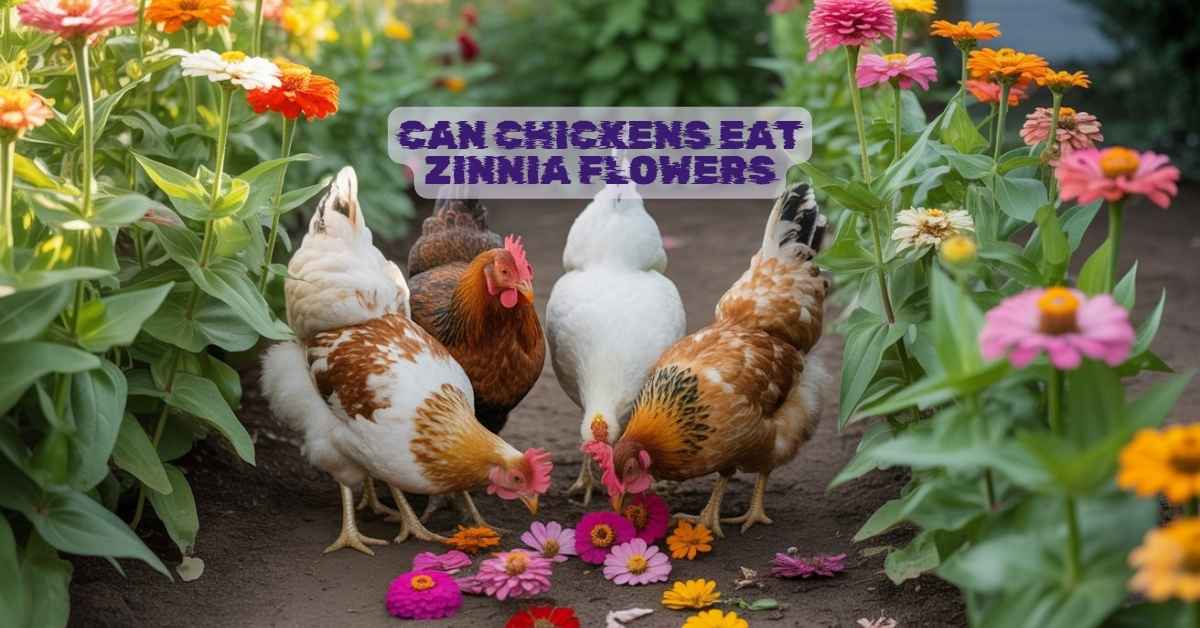
Can chickens eat zinnia flowers? Yes—chickens can safely eat zinnia flowers, and they are considered non-toxic ornamental plants for poultry. In fact, many backyard chicken keepers notice their flock naturally pecking at colorful blooms during foraging.
However, zinnias should only be offered as an occasional treat, making up no more than 5–10% of a balanced poultry diet. When fed properly, they provide diet variety, enrichment, and light nutrients, but they should never replace a complete feed.
Are Zinnias Safe or Toxic for Chickens?
Zinnias are widely recognized as safe flowers for chickens. Unlike some garden plants that contain harmful compounds, zinnias do not pose toxicity risks when consumed in normal amounts.
Are Zinnia Flowers Poisonous?
Zinnias are non-poisonous and non-toxic, making them suitable for chickens, as well as many other animals. This makes them a popular choice in gardens where chickens roam freely.
Why Zinnias Are Safe for Poultry
Zinnias:
- Do not contain toxic alkaloids
- Are commonly eaten by wildlife
- Fit into a natural forage-based diet
This is why many homesteaders treat them as a safe, edible garden plant for chickens.
Which Parts of Zinnia Plants Can Chickens Eat?
Understanding plant parts is critical for both SEO ranking and practical feeding clarity.
Zinnia Plant Parts Breakdown
| Plant Part | Safety | Chicken Preference |
|---|---|---|
| Flowers (petals) | Safe | Highly preferred |
| Leaves | Safe | Moderately eaten |
| Stems | Safe | Rarely eaten |
The flowers are the most attractive due to their color and softness, while stems are tougher and less appealing.
Do Chickens Like Zinnia Flowers? (Behavior Insight)
Chickens are natural foragers, meaning they instinctively explore and peck at plants.
In real backyard settings:
- Chickens are drawn to brightly colored flowers
- They peck flowers out of curiosity and taste
- Preference varies depending on availability of other foods
A common observation among poultry keepers is:
“If it’s colorful and soft, chickens will at least try it.”
However, zinnias are not always a favorite compared to sweeter fruits or tender greens.
Nutritional Value of Zinnia Flowers
Zinnia flowers are not nutrient-dense, but they still contribute to a diverse poultry diet.
Key Nutrients (Per 100g Approx.)
| Nutrient | Amount | Benefit |
|---|---|---|
| Water | 85–90% | Hydration |
| Fiber | 1–2 g | Digestive support |
| Calories | 20–30 kcal | Low-energy treat |
Health Benefits for Chickens
When offered occasionally, zinnias can:
- Provide hydration during hot weather
- Add dietary variety
- Support natural foraging behavior
They function more as an enrichment food than a primary nutritional source.
How to Feed Zinnia Flowers to Chickens
Feeding flowers correctly ensures safety and better digestion.
Fresh vs Dried Flowers
| Type | Recommendation |
|---|---|
| Fresh zinnias | Best option |
| Dried flowers | Acceptable alternative |
Fresh flowers retain more moisture and are more appealing to chickens.
Mixing Zinnias with Regular Feed
Mixing flowers with feed helps:
- Maintain a balanced poultry diet
- Prevent selective eating
- Encourage natural pecking behavior
How Much Zinnia Flowers Can Chickens Eat?
Moderation is key when feeding any non-essential food.
Feeding Guidelines
| Factor | Recommendation |
|---|---|
| Portion | Small handful per flock |
| Diet ratio | 5–10% maximum |
| Feeding type | Treat only |
Following the 90/10 rule ensures chickens receive proper nutrition.
How Often Can Chickens Eat Zinnia Flowers?
Frequency matters just as much as portion size.
- Feed 1–2 times per week
- Avoid daily feeding
- Rotate with other safe treats
This prevents dietary imbalance while maintaining enrichment.
Can Baby Chicks Eat Zinnia Flowers?
Chicks require careful feeding due to their sensitive digestive systems.
Age-Based Recommendation
| Age | Feeding Advice |
|---|---|
| Under 6 weeks | Avoid feeding |
| After 6 weeks | Small amounts only |
Introduce slowly to prevent digestive upset.
Benefits of Feeding Flowers to Chickens
Flowers like zinnias play a unique role in poultry care.
They provide:
- Mental stimulation and enrichment
- Increased natural foraging activity
- A more diverse diet
For free-range chickens, this aligns closely with their natural feeding instincts.
Risks and Precautions When Feeding Zinnias
Even safe foods come with important precautions.
Pesticide Exposure (BIGGEST RISK)
The primary danger is not the plant—but chemicals on it.
- Never feed pesticide-treated flowers
- Always use organic or untreated plants
👉 This is the #1 safety rule.
Overfeeding Risks
Too many flowers can:
- Reduce intake of essential feed
- Cause mild digestive imbalance
Spoilage and Mold
Always:
- Remove uneaten flowers
- Avoid feeding wilted or moldy plants
Spoiled plant material can harm chickens quickly.
Safe vs Toxic Flowers for Chickens (IMPORTANT)
Understanding safe and unsafe plants improves flock safety.
Flower Safety Comparison
| Safe Flowers | Toxic Flowers |
|---|---|
| Zinnias | Foxglove |
| Marigolds | Daffodils |
| Sunflowers | Buttercups |
| Nasturtiums | Nightshade |
This comparison helps prevent accidental poisoning.
Zinnias vs Other Edible Plants for Chickens
Zinnias are not the most nutritious option compared to other plants.
| Plant | Nutritional Value | Verdict |
|---|---|---|
| Dandelion | High | Excellent |
| Kale | Very high | Ideal |
| Zinnias | Low–moderate | Occasional treat |
This shows zinnias are best used as a supplemental addition.
Common Mistakes When Feeding Flowers to Chickens
Avoiding mistakes can significantly improve flock health.
Common Errors
- Feeding pesticide-treated flowers
- Overfeeding ornamental plants
- Ignoring balanced diet rules
- Assuming all flowers are safe
These mistakes are common among beginners.
Seasonal Feeding Guide for Garden Flowers
Seasonal feeding improves efficiency and safety.
- Spring: Fresh flowers available
- Summer: Peak feeding time
- Winter: Limited access
This aligns feeding with natural plant cycles.
Foraging Safety Guide for Chickens
Foraging is beneficial but requires awareness.
Always:
- Identify plants correctly
- Avoid roadside or polluted areas
- Ensure no chemical contamination
This ensures safe use of garden plants for chickens.
LEARN MORE: When Can Chickens Eat Pellets
Sustainable Feeding: Using Garden Plants
Zinnias contribute to sustainable poultry practices.
They help:
- Reduce feed costs
- Promote natural diets
- Improve environmental efficiency
This approach is popular in homesteading and backyard farming.
Scientific Perspective: Flowers in Poultry Diet
From a nutritional perspective:
- Flowers are low-calorie and low-protein
- They provide fiber and hydration
- Their main value is behavioral enrichment
They should always complement—not replace—a complete poultry feed.
Case Study: Backyard Chicken Flock
A backyard flock was allowed to roam in a garden filled with zinnias.
Observations
- Chickens occasionally pecked at flowers
- No health issues occurred
- Birds preferred other foods when available
After limiting intake to 1–2 times per week, the flock maintained:
- Healthy digestion
- Balanced diet
- Active foraging behavior
👉 Conclusion: Zinnias are safe but not essential
FAQs
Are zinnia flowers toxic to chickens?
No, they are non-toxic and safe.
Can chickens eat flowers every day?
No, flowers should be limited to occasional treats.
What flowers are safe for chickens?
Zinnias, marigolds, and sunflowers are safe options.
Do chickens eat garden plants?
Yes, especially during natural foraging.
Can chickens eat marigolds and zinnias?
Yes, both are safe and commonly fed.
Final Verdict: Should You Feed Zinnia Flowers to Chickens?
Zinnia flowers are a safe and enjoyable treat for chickens when used correctly.
To summarize:
- ✔ Non-toxic and safe for poultry
- ✔ Feed in small amounts (5–10% of diet)
- ✔ Offer 1–2 times per week
- ✔ Avoid pesticide-treated plants
When included as part of a balanced poultry diet, zinnias enhance natural behavior, diet diversity, and overall flock well-being—making them a valuable addition to any chicken-friendly garden.