
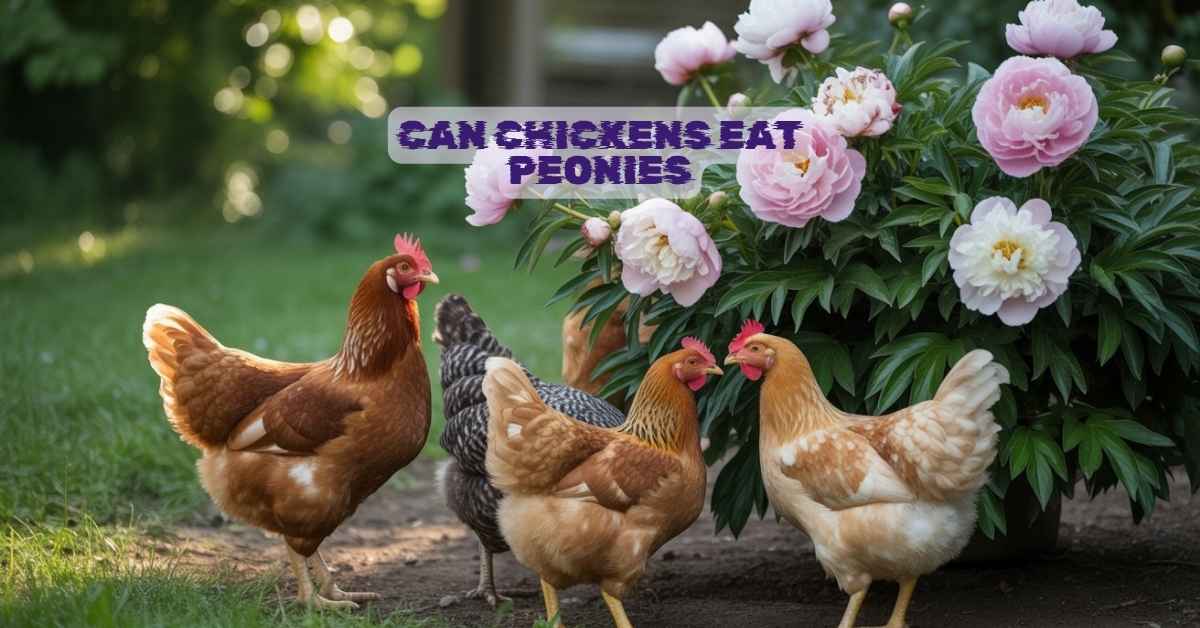
Can chickens eat peonies? The short answer is no—chickens should not eat peonies. These ornamental plants contain compounds that can irritate a chicken’s digestive system and potentially lead to mild to moderate poisoning. If you’re wondering “can chickens eat peonies flowers”, the answer is still no—every part of the plant, including the petals, carries some level of risk.
Backyard chicken keepers often allow free-range foraging, but not all plants are safe. Understanding which plants are toxic to chickens and how to create a chicken-safe garden can protect your flock from avoidable health issues. This guide breaks down everything you need to know—from toxicity science to practical prevention.
Are Peonies Toxic to Chickens?
Peonies are widely loved for their beauty, but from a poultry health perspective, they fall into the category of poisonous plants for chickens.
What Makes Peonies Dangerous for Chickens
Peonies contain naturally occurring compounds such as paeonol, a plant-based substance that can cause digestive irritation when ingested. While not always fatal, these compounds can disrupt a chicken’s gastrointestinal system, especially when consumed in larger quantities.
From an avian diet standpoint, chickens are not biologically equipped to process many ornamental plants. Their foraging instinct often leads them to explore colorful flowers, but plant toxicity is a serious concern in backyard environments.
Which Parts of the Peony Plant Are Toxic
All parts of the peony plant should be considered unsafe:
| Plant Part | Toxicity Level | Risk Explanation |
|---|---|---|
| Flowers | Mild–Moderate | Attractive to chickens but unsafe |
| Leaves | Moderate | Can cause digestive upset |
| Stems | Moderate | Contains plant compounds |
| Roots | Higher | Concentrated toxins |
Even though peony petals may seem harmless, they still contribute to toxicity. There is no safe consumption level, making them unsuitable for chickens.
What Happens If Chickens Eat Peonies?
The severity of symptoms depends on the amount ingested and the individual chicken’s health. In most cases, symptoms appear within a 12–24 hour window.
Common Symptoms of Peony Poisoning
Watch for the following signs:
- Lethargy (reduced activity)
- Diarrhea or loose droppings
- Loss of appetite
- Digestive discomfort
- Dehydration in severe cases
These symptoms indicate poultry poisoning, which should not be ignored.
Toxicity Timeline
| Time After Ingestion | Possible Effects |
|---|---|
| 0–6 hours | No visible symptoms |
| 12–24 hours | Digestive issues begin |
| 24–48 hours | Symptoms may worsen or stabilize |
Early detection significantly improves recovery chances.
What to Do If Your Chicken Eats Peonies
Quick action can prevent complications. Follow this step-by-step response plan:
- Remove access to peonies immediately
- Isolate the affected chicken from the flock
- Provide fresh water to prevent dehydration
- Monitor for worsening symptoms
- Contact a veterinarian if symptoms persist beyond 24 hours
A simple response can often prevent escalation. However, if multiple chickens are affected, the situation requires urgent attention.
Why Chickens Try to Eat Peonies
Chickens are natural foragers. Their behavior is driven by curiosity and instinct rather than safety awareness.
Key Behavioral Reasons
- Attraction to bright colors
- Exploration of new textures
- Lack of distinction between safe and toxic plants
- Nutritional instinct (seeking variety)
This is why even toxic ornamental plants like peonies can become a risk in free-range environments.
Are Peony Petals Safer Than Other Parts?
A common misconception is that flowers are safer than leaves or roots. In reality, peony petals still contain plant metabolites that can cause irritation.
Even small ingestion contributes to:
- Cumulative toxicity
- Increased digestive stress
- Higher risk over time
So, the answer to “can chickens eat peonies flowers safely?” remains no.
Safe Flowers Chickens Can Eat Instead
Creating a safe foraging environment doesn’t mean eliminating plants—it means choosing the right ones.
Top Safe Flowers for Chickens
| Flower | Benefit |
|---|---|
| Marigold | Improves egg yolk color |
| Nasturtium | Natural immune support |
| Dandelion | Rich in vitamins A & C |
| Clover | High protein forage |
| Sunflower | Nutritious seeds |
Benefits of Safe Flowers
- Boost natural chicken diet
- Provide essential nutrients
- Encourage healthy foraging behavior
- Improve egg quality
Replacing toxic plants with safe alternatives enhances both nutrition and safety.
Toxic Plants You Should Always Avoid
Peonies are not the only threat. Many common garden plants fall under toxic plants for chickens.
Common Dangerous Plants
| Plant | Risk Level |
|---|---|
| Foxglove | Highly toxic |
| Nightshade | Severe poisoning |
| Daffodils | Digestive irritation |
| Tulips | Mild toxicity |
| Peony | Moderate toxicity |
This highlights the importance of identifying poisonous plants for chickens before allowing free-range access.
Safe vs Toxic Plants for Chickens
Here’s a quick comparison to simplify decision-making:
| Safe Plants | Toxic Plants |
|---|---|
| Marigold | Peony |
| Clover | Foxglove |
| Basil | Nightshade |
| Sunflower | Daffodil |
This type of structured comparison improves both user experience and search visibility.
How to Chicken-Proof Your Garden
A well-designed garden prevents accidental ingestion.
Simple Prevention Strategies
- Install 3–6 ft fencing
- Use raised beds for ornamental plants
- Keep toxic plants out of reach
Garden Layout Tips
- Maintain 5–10 feet distance between coop and risky plants
- Create designated foraging zones
- Rotate safe plants seasonally
These strategies ensure a poultry-safe ecosystem.
Understanding Chicken Diet and Safe Limits
A balanced diet reduces risky behavior.
Key Feeding Rule
- 90% commercial feed
- 10% treats (including plants)
Over-reliance on garden plants can lead to nutritional imbalance and accidental toxin exposure.
Signs of Plant Poisoning in Chickens
Recognizing early symptoms is critical.
Warning Checklist
- Sudden behavioral change
- Reduced eating
- Abnormal droppings
- Weakness or imbalance
These are signs of gastrointestinal irritation in poultry, often linked to toxic ingestion.
LEARN MORE: Can Chickens Eat Bagworms
Expert Tips for Raising Chickens Around Ornamental Plants
Experienced poultry keepers recommend:
“A safe chicken garden is not about removing plants—it’s about choosing the right ones.”
Best Practices
- Avoid unknown ornamental plants
- Research livestock-safe landscaping
- Monitor free-range behavior
- Regularly inspect your garden
This approach builds a safe and sustainable environment.
Case Study: Backyard Chicken Safety
A small backyard flock in a suburban garden consumed peony petals accidentally. Within 24 hours, two chickens showed lethargy and diarrhea. After removing access and providing hydration, symptoms resolved within 48 hours.
Lesson: Even mild exposure can cause noticeable health issues, reinforcing the need for preventive garden planning.
FAQs About Chickens and Peonies
Can chickens eat peonies flowers safely?
No, peony flowers are not safe and can cause digestive issues.
Are peonies poisonous to other poultry?
Yes, similar risks apply to most birds.
How much peony is toxic to chickens?
There is no safe amount—even small quantities can cause symptoms.
Can chickens recover from plant poisoning?
Yes, if treated early and exposure is limited.
Final Verdict: Should Chickens Ever Eat Peonies?
Peonies may enhance your garden visually, but they pose a real risk to poultry health. Whether you ask “can chickens eat peonies” or “can chickens eat peonies flowers”, the answer remains consistent:
👉 Avoid them completely.
Instead, focus on building a safe, nutrient-rich, and chicken-friendly environment with proven edible plants. This not only protects your flock but also improves their overall health, productivity, and longevity.
Key Takeaway
- Peonies are toxic to chickens
- Symptoms appear within 12–24 hours
- Prevention is the best strategy
- Safe alternatives exist and should be prioritized