
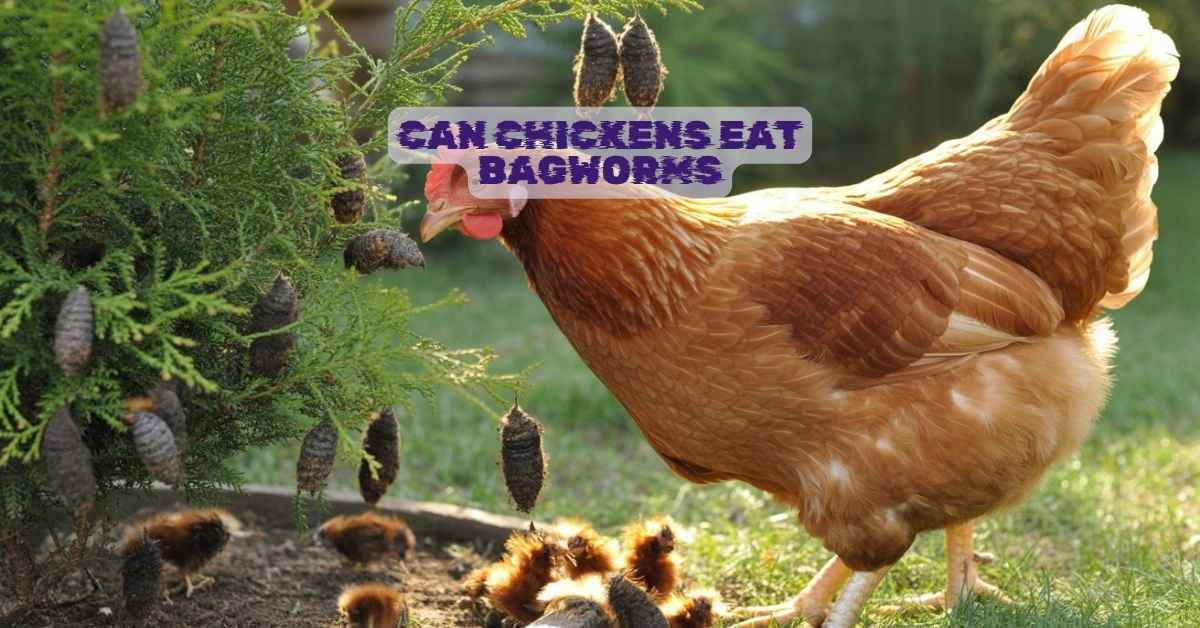
Can chickens eat bagworms? Yes—chickens can eat bagworms, because they are insect larvae and a natural protein source. In fact, chickens instinctively eat insects like larvae, caterpillars, and worms as part of their natural foraging behavior. However, bagworms are only safe when they are free from pesticides and environmental contamination, and they should be fed in moderation as part of a balanced poultry diet.
For backyard chicken keepers, this topic goes beyond simple feeding. It connects directly to natural pest control, poultry nutrition, and ecosystem balance. This guide explains everything clearly—from bagworm safety and benefits to feeding limits and risks—so you can use them effectively without harming your flock.
What Are Bagworms?
Bagworms are insect larvae, commonly found on trees and shrubs. They are known for building protective cases using plant material, which makes them easy to spot in gardens.
Bagworm Lifecycle Explained
Bagworms go through a 3-stage lifecycle:
| Stage | Description |
|---|---|
| Egg | Laid inside protective bags |
| Larva | Active feeding stage (what chickens eat) |
| Adult | Moth stage |
The larval stage is the most important because it is soft, protein-rich, and edible for chickens.
Where Bagworms Are Found
Bagworms are typically present during spring and summer, when they feed heavily on plants.
| Factor | Detail |
|---|---|
| Habitat | Trees, shrubs, garden plants |
| Season | Spring–summer peak |
| Behavior | Clustered infestations |
This makes them both a garden pest and a potential natural food source for chickens.
Are Bagworms Safe for Chickens?
Bagworms are generally considered safe for chickens, as they are part of the natural insect diet.
Safety Classification
- Non-toxic insect larvae
- Safe for free-range chickens
- Natural part of avian diet
However, safety depends on external conditions, not just the insect itself.
When Bagworms Can Be Dangerous
Even safe insects can become harmful under certain conditions.
Primary Risk Factors
| Risk Factor | Explanation |
|---|---|
| Pesticides | Chemicals on plants can contaminate bagworms |
| Pollution | Environmental toxins |
| Parasites | Some insects may carry pathogens |
👉 Important Rule: Only allow chickens to eat naturally occurring, chemical-free insects.
Do Chickens Naturally Eat Insects Like Bagworms?
Chickens are omnivorous foragers, meaning they naturally seek out insects.
Natural Feeding Behavior
Chickens commonly eat:
- Worms
- Larvae
- Beetles
- Caterpillars
Studies and observations show chickens consume 5–10 types of insects regularly, making bagworms a natural addition to their diet.
Nutritional Benefits of Bagworms for Chickens
Bagworms provide valuable nutrients that support poultry health.
Key Nutritional Value
| Nutrient | Benefit |
|---|---|
| Protein | Supports muscle growth and egg production |
| Amino acids | Essential for development |
| Energy | Improves activity levels |
This makes them a protein-rich supplement in a chicken’s diet.
Nutritional Comparison with Other Insects
| Insect | Protein Value | Use |
|---|---|---|
| Bagworms | High | Occasional feeding |
| Mealworms | Very high | Popular treat |
| Earthworms | Moderate | Natural forage |
Bagworms are comparable to other insects, making them a useful alternative protein source.
Pest Control Benefits of Chickens Eating Bagworms
One of the biggest advantages is natural pest control.
How Chickens Help
Chickens reduce:
- Bagworm populations
- Plant damage
- Garden infestations
👉 This creates a natural ecosystem balance.
Instead of using chemicals, many backyard keepers rely on chickens as a biological pest control system.
Risks of Feeding Bagworms to Chickens
Despite the benefits, there are important risks to consider.
Pesticide and Chemical Exposure
This is the #1 risk factor. If bagworms come from treated plants, they can harm chickens.
Parasites and Disease Risks
Insects may carry:
- Bacteria
- Parasites
- Pathogens
Although rare, it’s important to monitor flock health.
Overfeeding Insects
Too many insects can disrupt a balanced diet.
| Issue | Effect |
|---|---|
| Excess protein | Nutritional imbalance |
| Reduced feed intake | Less essential nutrients |
| Digestive issues | Health problems |
What Happens If Chickens Eat Contaminated Bagworms?
If bagworms are contaminated, symptoms may appear quickly.
Signs to Watch
- Lethargy
- Digestive upset
- Reduced activity
Timeline of Effects
| Time | Response |
|---|---|
| 12–24 hours | Initial symptoms |
| 24–48 hours | Worsening condition |
Immediate action and removing contaminated sources are essential.
How Many Bagworms Can Chickens Eat?
Moderation is critical.
Safe Feeding Guidelines
| Factor | Recommendation |
|---|---|
| Diet ratio | 90% feed + 10% insects |
| Portion size | Small amounts only |
| Frequency | 1–2 times per week |
Chickens typically consume 100–150 grams of feed daily, so insects should remain a supplement.
How to Feed Bagworms to Chickens Safely
There are two main feeding methods.
Free-Range Feeding
- Chickens naturally find insects
- Encourages natural behavior
Controlled Feeding
- Hand-collected insects
- Mixed with regular feed
Both methods work, but safety depends on clean sources.
Bagworms vs Other Insects for Chickens
Comparing insects helps understand their value.
| Insect | Safety | Benefit |
|---|---|---|
| Bagworms | Safe (clean source) | Protein |
| Mealworms | Very safe | High protein |
| Beetles | Mostly safe | Natural diet |
| Toxic insects | Unsafe | Avoid |
Safe vs Unsafe Insects for Chickens
| Category | Examples | Safety |
|---|---|---|
| Safe insects | Worms, larvae, beetles | Safe |
| Risky insects | Chemically exposed insects | Unsafe |
| Unknown insects | Rare species | Caution |
Signs You Are Feeding Too Many Insects
Overfeeding insects can cause imbalance.
Warning Indicators
- Reduced interest in feed
- Nutritional imbalance
- Behavioral changes
These signs indicate the need to adjust feeding practices.
Feeding Insects to Chickens the Right Way
Maintaining balance is essential.
Golden Rule
👉 90% commercial feed + 10% treats
Insects like bagworms should always remain a small part of the diet.
LEARN MORE: Can Chickens Eat Dead Nettle
Other Insects Chickens Can Eat
Adding variety improves nutrition.
| Insect | Benefit |
|---|---|
| Mealworms | High protein |
| Earthworms | Natural forage |
| Grasshoppers | Energy source |
| Beetles | Balanced nutrients |
Insects Chickens Should Avoid
Some insects are harmful.
| Type | Risk |
|---|---|
| Poisonous insects | Toxic |
| Chemically exposed insects | Dangerous |
| Unknown species | Risky |
Backyard Case Study: Chickens Eating Bagworms
A backyard flock was introduced to a garden with a moderate bagworm infestation over a 3-week period.
Results
- Chickens actively consumed bagworms
- Visible reduction in infestation
- No health issues observed
Conclusion: Chickens can act as an effective natural pest control solution.
Expert Tips for Feeding Insects to Chickens
“Nature already designed chickens to eat insects—your job is to keep it safe.”
- Avoid pesticide-treated areas
- Feed insects in moderation
- Monitor flock health
FAQs About Chickens and Bagworms
Are bagworms good for chickens?
Yes, they provide protein and nutrients.
Can chickens eat caterpillars safely?
Most are safe, but avoid unknown or toxic species.
Do chickens control garden pests?
Yes, they naturally reduce insect populations.
How often can chickens eat insects?
Limit to 1–2 times per week.
Final Verdict: Should Chickens Eat Bagworms?
Bagworms are a safe, natural, and beneficial food source for chickens when handled properly. They provide protein, support natural behavior, and help control pests.
👉 The key principle is simple: Feed clean, pesticide-free bagworms in moderation as part of a balanced diet.
Key Takeaways
- Chickens can eat bagworms safely
- They are a natural protein source
- Follow the 10% insect feeding rule
- Feed 1–2 times per week
- Avoid chemically exposed insects