
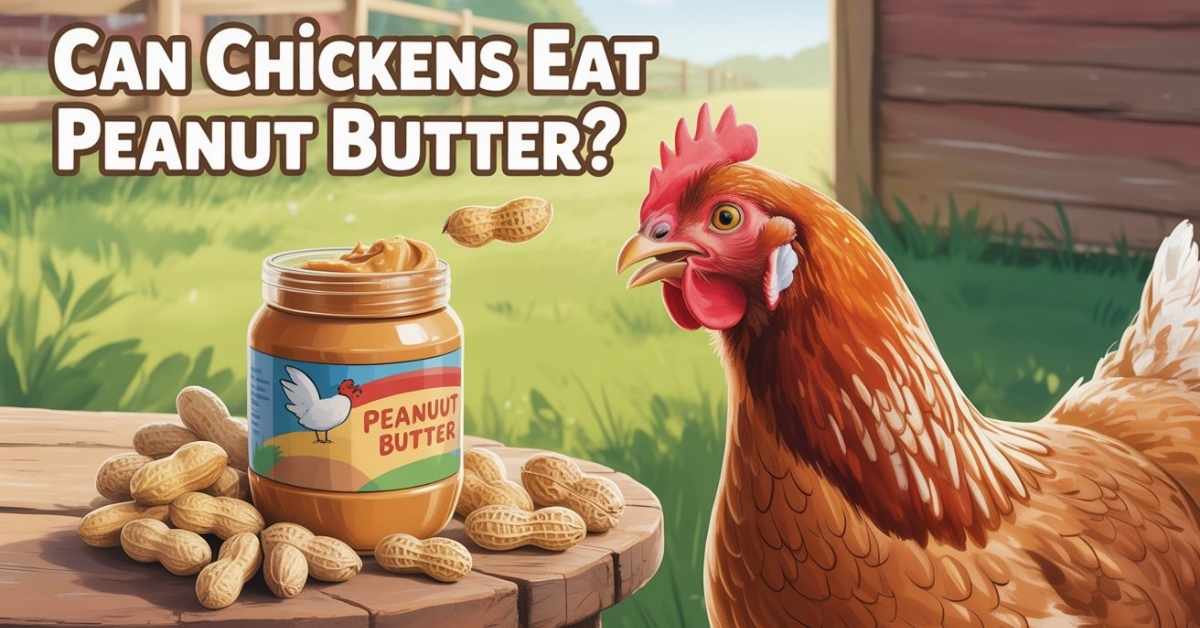
Can chickens eat peanut butter? Yes, chickens can eat peanut butter in small amounts as an occasional treat. Natural, unsalted peanut butter is generally safe for backyard chickens because it contains protein, healthy fats, Vitamin E, niacin, magnesium, and potassium.
However, peanut butter should only be fed in moderation due to its high fat content, sticky texture, sodium levels, and potential choking risks. Choosing xylitol-free peanut butter without added sugar or artificial sweeteners is the safest option for your flock.
For many chicken owners, peanut butter becomes a useful winter treat, enrichment snack, or protein boost during molting season. Still, feeding too much can lead to obesity, digestive upset, or crop blockage. Understanding how to safely serve peanut butter to chickens is the key to keeping your flock healthy.
Can Chickens Eat Peanut Butter?
| Question | Answer |
|---|---|
| Can chickens eat peanut butter? | Yes, in moderation |
| Is peanut butter safe for chickens? | Yes, if unsalted and natural |
| Can chickens eat peanut butter in the winter? | Yes, it provides extra calories and energy |
| Is peanut butter healthy for chickens? | It offers protein and healthy fats |
| What peanut butter should chickens avoid? | Peanut butter with xylitol, excess sugar, or salt |
| How often can chickens eat peanut butter? | 1–2 times weekly in small portions |
Is Peanut Butter Safe for Chickens?
Peanut butter is considered safe for chickens when offered as an occasional treat rather than a regular food source. Chickens naturally enjoy protein-rich and high-energy foods, which is why many backyard poultry keepers use peanut butter as a supplemental snack during cold weather or molting season.
The biggest concern is not the peanuts themselves but the processed ingredients found in many commercial peanut butter brands. Some contain excessive sodium, added sugar, preservatives, or artificial sweeteners that may negatively affect poultry digestion and flock health.
A small spoon-sized serving mixed with grains or oats is usually much safer than feeding large sticky clumps directly.
“Treat foods should never replace balanced poultry feed because chickens still require complete nutrition for healthy growth and egg production.”
Nutritional Value of Peanut Butter for Chickens
Peanut butter contains several nutrients that can benefit chickens when fed correctly.
| Nutrient | Benefit for Chickens |
|---|---|
| Protein | Supports feathers and muscle maintenance |
| Healthy fats | Provides energy during cold weather |
| Vitamin E | Helps immune function |
| Niacin (Vitamin B3) | Supports metabolism |
| Magnesium | Aids body function |
| Potassium | Supports muscle activity |
| Phosphorus | Helps bone health |
The protein content makes peanut butter especially useful for molting chickens, which require extra nutrients while growing new feathers.
Because peanut butter is also calorie-dense, it can help chickens maintain body warmth during winter months. This is why many flock owners ask, “can chickens eat peanut butter in the winter?” The answer is yes, but moderation remains essential.
Benefits of Feeding Peanut Butter to Chickens
Supports Molting Chickens
Molting chickens often need additional protein. Peanut butter can provide a temporary boost during feather regrowth periods.
Adds Extra Winter Energy
Cold temperatures force chickens to burn more calories. Healthy fats in peanut butter provide quick energy and help maintain body heat.
Encourages Chicken Enrichment
Peanut butter mixed with grains or oats creates mental stimulation and pecking activity, reducing boredom inside the coop.
Helps Underweight Chickens
In some cases, a small amount of peanut butter may help underweight backyard chickens gain energy due to its calorie-rich nature.
Risks of Feeding Peanut Butter to Chickens
Although peanut butter has benefits, several risks make moderation critical.
Sticky Texture and Choking Hazards
One major concern is the sticky consistency. Thick peanut butter can become difficult for chickens to swallow, especially if fed in large amounts.
This increases the risk of:
- Choking hazards
- Crop blockage
- Digestive obstruction
Mixing peanut butter with oats, grains, or feed reduces this problem significantly.
High Fat Content
Peanut butter is naturally high in fat. Overfeeding can contribute to:
- Obesity in chickens
- Excessive weight gain
- Reduced laying performance
- Digestive upset
Sodium and Sugar Concerns
Processed peanut butter often contains:
- Added salt
- Refined sugar
- Artificial preservatives
Too much sodium may harm poultry health over time.
Xylitol Toxicity
Some sugar-free peanut butter brands contain xylitol, an artificial sweetener that is dangerous for many animals. Chickens should never consume peanut butter containing xylitol.
Aflatoxin Risk
Poor-quality peanuts may contain aflatoxins, toxic substances produced by mold contamination. Moldy peanut butter should never be fed to chickens.
What Type of Peanut Butter Is Best for Chickens?
The safest option is:
- Natural peanut butter
- Unsalted peanut butter
- Xylitol-free peanut butter
- Low-sugar peanut butter
Avoid heavily processed products with unnecessary additives.
| Peanut Butter Type | Safe for Chickens? |
|---|---|
| Natural peanut butter | Yes |
| Unsalted peanut butter | Yes |
| Organic peanut butter | Usually yes |
| Crunchy peanut butter | Safe in small amounts |
| Smooth peanut butter | Safer texture |
| Sugar-free with xylitol | No |
| Chocolate peanut butter | No |
Many chicken keepers also ask:
- Can chickens eat crunchy peanut butter?
- Can chickens eat smooth peanut butter?
Both are generally safe occasionally, but smooth peanut butter is often easier for chickens to handle.
How to Feed Peanut Butter to Chickens Safely
Proper serving methods reduce digestive and choking risks.
Best Ways to Serve Peanut Butter
- Mix with oats
- Spread thinly on bread
- Blend with grains
- Use in homemade poultry treats
- Combine with seeds
Avoid giving chickens large sticky spoonfuls directly.
Recommended Serving Size
| Chicken Age | Recommended Amount |
|---|---|
| Baby chicks | Not recommended regularly |
| Adult hens | 1 small spoon occasionally |
| Large flocks | Small shared portions |
Feeding Frequency
Peanut butter should remain an occasional treat:
- 1–2 times weekly
- Less than 10% of the total diet
Balanced commercial chicken feed should always remain the primary food source.
Can Chickens Eat Peanut Butter in Different Forms?
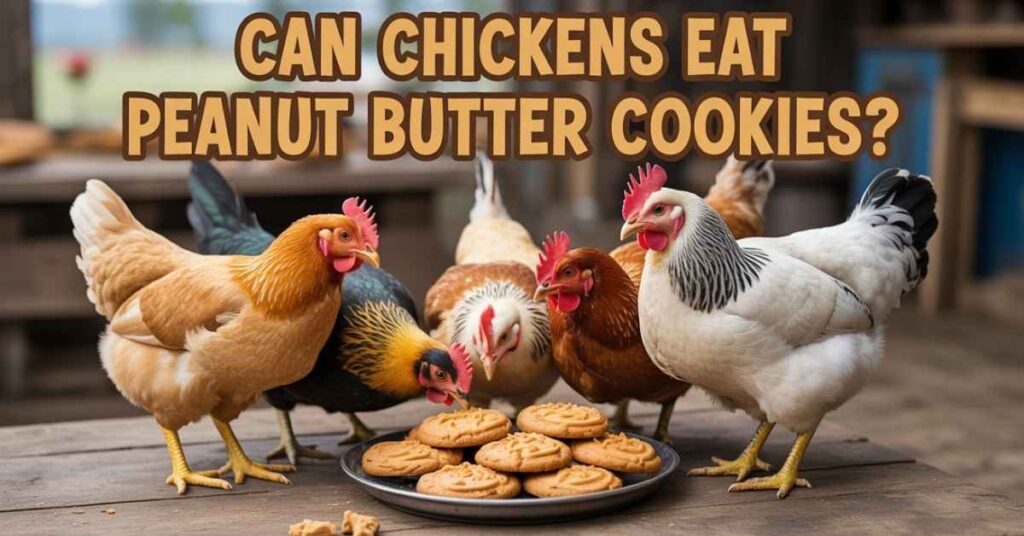
Can Chickens Eat Peanut Butter Cookies?
Small crumbs occasionally may not harm chickens, but cookies usually contain:
- Sugar
- Butter
- Processed flour
- Artificial ingredients
These ingredients provide little nutritional value for poultry.
Can Chickens Eat Peanut Butter Crackers?
Can chickens eat peanut butter crackers? Chickens can nibble small amounts, but crackers are often high in sodium and processed carbohydrates. Regular feeding is not recommended.
Can Chickens Eat Peanut Butter and Jelly?
Can chickens eat peanut butter and jelly? Peanut butter itself may be safe in moderation, but sugary jelly adds unnecessary sugar and preservatives. Excess sugar may disrupt a healthy poultry diet.
Can Chickens Eat Peanut Butter Bread?
Bread with a thin layer of natural peanut butter can occasionally be offered, though it should never become a staple food.
Can Baby Chicks Eat Peanut Butter?
Baby chicks have delicate digestive systems and require specialized starter feed for healthy growth.
Peanut butter is generally not recommended for chicks because:
- Sticky texture increases choking risk
- High fat content may upset digestion
- Starter feed already provides balanced nutrition
If offered at all, it should only be an extremely tiny amount mixed thoroughly into other foods.
Common Mistakes Chicken Owners Make
Many poultry keepers unintentionally overfeed treats.
Feeding Too Much Peanut Butter
Because chickens enjoy peanut butter, it becomes easy to overfeed calorie-dense treats.
Ignoring Ingredient Labels
Always check for:
- Xylitol
- Excess salt
- Artificial sweeteners
- Chocolate additives
Replacing Balanced Feed
Peanut butter should never replace complete poultry feed formulated for flock health and egg production.
Feeding Sticky Clumps
Large sticky portions may increase choking or crop blockage risks.
Healthier Alternatives to Peanut Butter for Chickens
If you want safer high-protein treats, several alternatives work well.
| Healthy Chicken Treat | Benefit |
|---|---|
| Mealworms | High protein |
| Scrambled eggs | Excellent amino acids |
| Pumpkin seeds | Natural nutrients |
| Black oil sunflower seeds | Healthy fats |
| Oats | Safe energy source |
| Fresh fruits | Hydration and vitamins |
These options often provide better nutritional balance than processed peanut butter products.
LEARN MORE: Can Chickens Eat Blackberries?
Peanut Butter Feeding Chart for Chickens
| Factor | Recommendation |
|---|---|
| Best peanut butter type | Natural and unsalted |
| Safe serving size | Small spoonful |
| Frequency | 1–2 times weekly |
| Safe for chicks | Rarely recommended |
| Winter feeding | Helpful occasionally |
| Avoid ingredients | Xylitol, chocolate, excess sugar |
| Main risk | Sticky texture and obesity |
Frequently Asked Questions
Can Chickens Eat Peanut Butter Every Day?
No. Peanut butter should only be an occasional treat because excessive fat and calories may harm long-term poultry health.
Is Peanut Butter Toxic to Chickens?
Natural peanut butter is not toxic, but products containing xylitol or chocolate can be dangerous.
Can Chickens Choke on Peanut Butter?
Yes, thick sticky peanut butter may create choking hazards or crop blockage if fed improperly.
Can Chickens Eat Peanut Butter in the Winter?
Yes. Peanut butter provides additional calories and healthy fats that help chickens maintain energy during cold weather.
Is Peanut Butter Healthy for Backyard Chickens?
In moderation, peanut butter can provide beneficial protein and healthy fats, especially during molting season.
What Is the Best Peanut Butter for Chickens?
Natural, unsalted, low-sugar peanut butter without artificial additives is the safest option.
Can Chickens Digest Peanut Butter Properly?
Adult chickens can usually digest small amounts, but overfeeding may lead to digestive upset.
Conclusion
Can chickens eat peanut butter? Yes, chickens can safely enjoy peanut butter in moderation when it is natural, unsalted, and free from harmful additives like xylitol or excessive sugar. Peanut butter offers useful protein, healthy fats, and extra calories that may benefit backyard chickens during winter or molting season.
However, because peanut butter is calorie-dense and sticky, it should only be offered occasionally and in small amounts. Mixing it with oats, grains, or seeds is usually the safest feeding method.
For the healthiest flock, always prioritize balanced poultry feed first and treat peanut butter as an occasional snack rather than a dietary staple.