
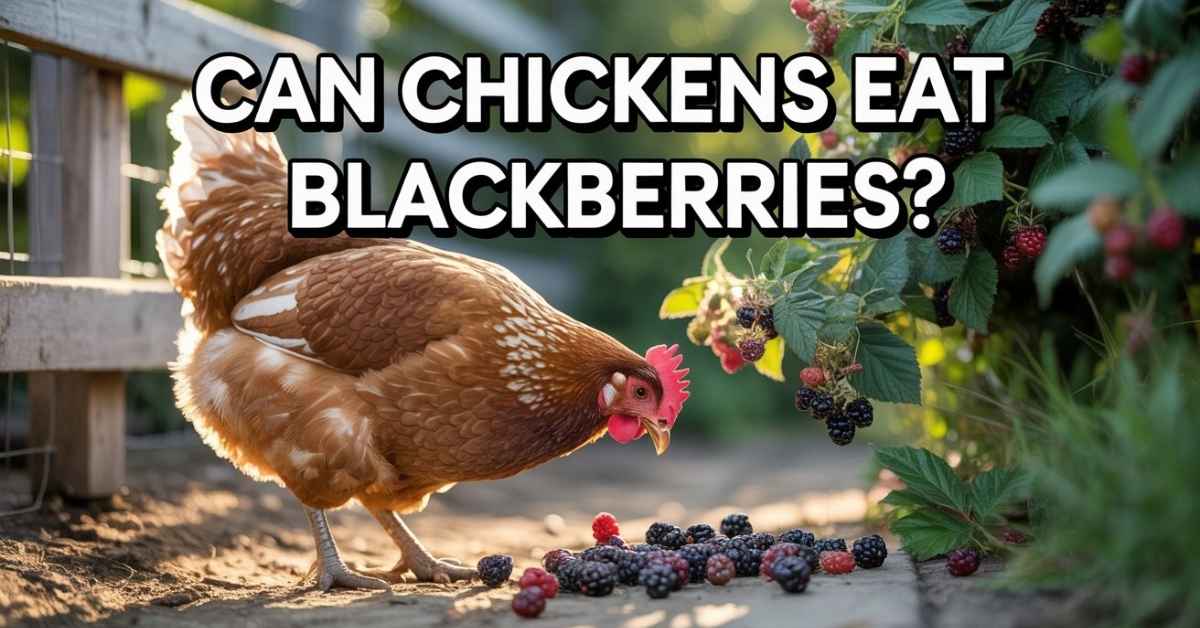
Can chickens eat blackberries? Yes, chickens can eat blackberries safely in moderation as a healthy fruit treat. Blackberries are non-toxic to backyard chickens and contain antioxidants, Vitamin C, Vitamin K, fiber, hydration, and manganese that may support overall flock health. However, because berries contain natural sugars, they should only be offered occasionally alongside a balanced poultry diet.
Many backyard flock owners use blackberries as enrichment snacks, summer hydration treats, or natural foraging foods. Chickens often enjoy pecking fresh berries during free-range feeding sessions, but understanding proper serving methods and moderation is important for maintaining healthy poultry digestion and balanced nutrition.
Can Chickens Eat Blackberries?
| Question | Answer |
|---|---|
| Can chickens eat blackberries? | Yes, in moderation |
| Are blackberries safe for chickens? | Yes |
| Can chickens eat blackberry seeds? | Yes, small seeds are generally safe |
| Can chickens eat blackberries leaves? | Small amounts are usually safe |
| Can chickens eat frozen blackberries? | Yes, if unsweetened |
| How often can chickens eat blackberries? | 1–2 times weekly |
| Are blackberries toxic to chickens? | No |
Are Blackberries Safe for Chickens?
Blackberries are considered one of the safest berries for backyard chickens when fed responsibly. They are naturally soft, easy to peck, and rich in nutrients that support flock health.
Unlike toxic foods such as chocolate, avocado pits, or moldy fruit, fresh blackberries are generally non-toxic to poultry. This is why many flock owners searching “can chickens eat blackberries” or “are blackberries safe for chickens” receive a positive answer from poultry nutrition guides.
Still, moderation remains important because excessive fruit intake may:
- Upset digestion
- Increase sugar consumption
- Reduce balanced feed intake
“Healthy treats should supplement poultry nutrition, not replace balanced commercial feed.”
Nutritional Value of Blackberries for Chickens
Blackberries provide several nutrients beneficial for backyard flock health.
| Nutrient | Benefit for Chickens |
|---|---|
| Vitamin C | Antioxidant and immune support |
| Vitamin K | Supports normal body function |
| Fiber | Helps digestion |
| Manganese | Supports metabolism |
| Antioxidants | Cellular health support |
| Water content | Hydration |
| Natural sugars | Quick energy source |
Because blackberries are low-calorie fruits with high moisture content, they work well as occasional summer treats for chickens.
The antioxidants in berries may also support healthy feathers, immune function, and flock wellness during stressful conditions such as:
- Molting season
- Hot weather
- Environmental stress
- Transportation
Benefits of Feeding Blackberries to Chickens
Healthy Berry Treats for Backyard Chickens
Blackberries provide nutritional variety while supporting natural pecking behavior.
Antioxidant Support
Berries contain antioxidants that may help reduce oxidative stress in poultry.
Hydration During Hot Weather
Fresh blackberries contain high water content, making them useful hydration-rich treats during summer.
Natural Chicken Enrichment
Chickens naturally enjoy foraging for berries. Offering blackberries encourages enrichment activity and reduces boredom in backyard flocks.
Can Chickens Eat Blackberries Every Day?
Although blackberries are healthy treats, chickens should not eat them daily in large amounts.
Too many berries may contribute to:
- Loose droppings
- Excess sugar intake
- Nutritional imbalance
- Reduced commercial feed consumption
A healthy treat-to-feed ratio should remain:
- Less than 10% of the total diet
- 1–2 times weekly
Balanced poultry feed should always remain the primary nutrition source.
Risks of Feeding Blackberries to Chickens
Even safe fruits can create problems when overfed.
Excess Sugar and Overfeeding Risks
Blackberries contain natural sugars that become unhealthy when consumed excessively.
Moldy or Rotten Berries
Spoiled berries should never be fed because mold contamination may harm poultry digestion and flock health.
Pesticide Residue
Non-organic blackberries may contain chemical residue. Washing berries thoroughly before feeding helps reduce risks.
Digestive Upset
Overfeeding fruit may cause:
- Loose droppings
- Mild digestive upset
- Reduced appetite
Can Chickens Eat Blackberry Seeds?
Many poultry keepers worry about berry seeds.
The good news is:
- Blackberry seeds are generally safe
- Chickens naturally digest small seeds
- No major toxicity concerns exist
Chickens commonly consume seeds while free-ranging outdoors, so blackberry seeds rarely create digestive problems.
Can Chickens Eat Blackberries Leaves?
Yes, can chickens eat blackberries leaves is another common backyard poultry question.
Blackberry leaves are generally considered safe in small amounts, especially during natural foraging. However, thorny blackberry bushes may create minor hazards for chickens moving through dense plants.
Blackberry Bush Safety
Free-range chickens often forage around berry bushes searching for:
- Insects
- Leaves
- Fallen berries
This behavior supports:
- Natural poultry enrichment
- Outdoor feeding activity
- Pecking behavior
Still, owners should monitor:
- Thorn injuries
- Mold growth
- Chemical pesticide exposure
Can Chickens Eat Wild Blackberries?
Wild blackberries are usually safe for chickens if they come from clean environments without chemical contamination.
Before feeding wild berries:
- Wash thoroughly
- Inspect for mold
- Remove rotten fruit
- Avoid roadside plants sprayed with chemicals
Organic blackberries are generally safer because they reduce pesticide exposure risks.
Can Chickens Eat Frozen Blackberries?
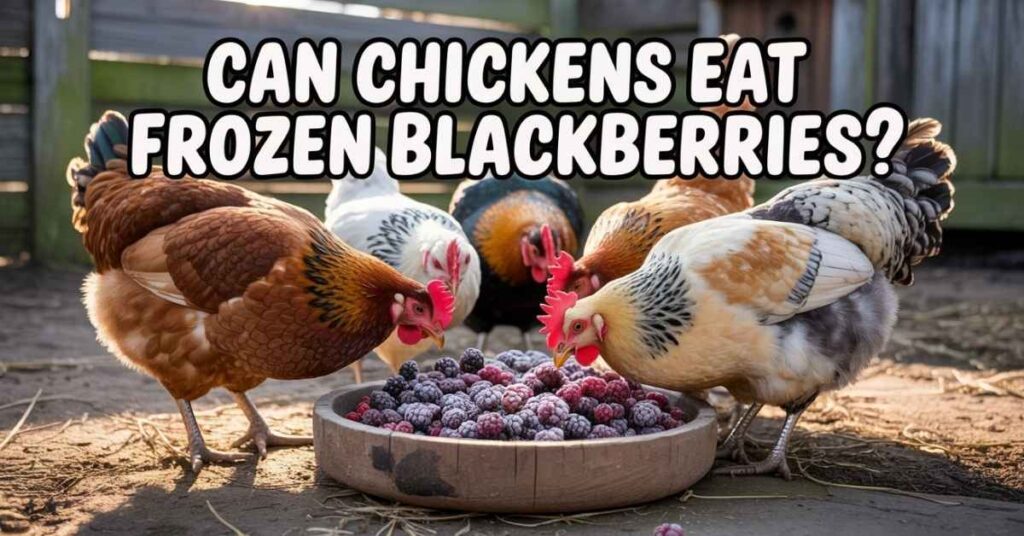
Yes, chickens can eat frozen blackberries if they are:
- Unsweetened
- Plain
- Properly thawed
Frozen berries can become excellent hydration-rich treats during hot summer weather.
However, avoid processed frozen berries containing:
- Added sugar
- Syrup
- Artificial ingredients
Fresh blackberries are usually the safest and healthiest option.
How to Feed Blackberries to Chickens Safely
Proper feeding methods improve poultry digestion and flock health.
Best Ways to Serve Blackberries
| Feeding Method | Safety Level |
|---|---|
| Fresh whole berries | Very safe |
| Cut berry pieces | Safe for chicks |
| Frozen thawed berries | Safe |
| Moldy berries | Unsafe |
| Sugary processed berries | Unsafe |
Recommended Serving Size
Adult backyard chickens usually do well with:
- Small handfuls occasionally
- Bite-sized berry portions
- Limited fruit snacks
Feeding Frequency
Healthy feeding guidelines include:
- 1–2 times weekly
- Small portions
- Balanced poultry nutrition
Can Chickens Eat Blackberries and Blueberries?
Yes, can chickens eat blackberries and blueberries is completely safe in moderation. Both berries are rich in antioxidants, hydration, and fiber.
Blueberries and blackberries make excellent:
- Healthy berry treats
- Summer snacks
- Natural poultry enrichment foods
Can Chickens Eat Blackberries and Raspberries?
Yes, can chicken’s eat blackberries and raspberries safely as occasional treats.
Raspberries provide:
- Fiber
- Antioxidants
- Natural hydration
Mixing berries creates nutritional variety for backyard chickens while encouraging natural foraging behavior.
Can Baby Chicks Eat Blackberries?
Baby chicks have more delicate digestive systems than adult chickens.
Small soft pieces of blackberry may occasionally be tolerated, but starter feed should remain the primary food source during early development.
For chicks:
- Use tiny portions
- Avoid overfeeding fruit
- Remove uneaten leftovers quickly
Blackberry Bushes and Natural Chicken Behavior
Free-range chickens naturally:
- Peck berries
- Search for insects
- Explore berry plants
- Forage around blackberry bushes
Blackberry bushes may provide:
- Shade
- Enrichment activity
- Natural outdoor stimulation
However, dense thorny bushes may also create minor injury risks.
Healthier Fruit Alternatives for Chickens
Blackberries are healthy, but chickens also enjoy many other fruits.
| Fruit | Main Benefit |
|---|---|
| Blueberries | Antioxidants |
| Strawberries | Vitamin-rich treat |
| Raspberries | Fiber |
| Watermelon | Hydration |
| Apples | Digestive support |
| Grapes | Easy snack |
| Pumpkin | Poultry digestion support |
Rotating fruits helps maintain balanced poultry enrichment without excessive sugar intake.
LEARN MORE: Can Chickens Have Lettuce?
Common Mistakes Chicken Owners Make
Feeding Too Many Blackberries
Excess fruit may upset digestion and reduce balanced feed intake.
Offering Moldy Berries
Mold contamination increases poultry health risks.
Ignoring Thorn Hazards
Dense blackberry bushes may injure chickens during foraging.
Replacing Commercial Feed
Healthy berry treats should never replace balanced poultry feed.
Blackberry Feeding Chart for Chickens
| Factor | Recommendation |
|---|---|
| Best berry type | Fresh blackberries |
| Feeding frequency | 1–2 times weekly |
| Safe for chicks | Small amounts only |
| Blackberry leaves | Safe in moderation |
| Frozen berries | Safe if unsweetened |
| Main risk | Overfeeding |
| Safe treat ratio | Less than 10% of diet |
| Best feeding method | Fresh washed berries |
Frequently Asked Questions
Can Chickens Eat Blackberries?
Yes, chicken’s can safely eat blackberries in moderation as healthy fruit treats.
Can Chickens Eat Blackberries Leaves?
Small amounts of blackberry leaves are generally safe during natural foraging.
Can Chickens Eat Blackberry Seeds?
Yes, blackberry seeds are usually harmless for chickens.
Can Chickens Eat Frozen Blackberries?
Yes, plain unsweetened frozen blackberries are safe when thawed properly.
Are Blackberries Toxic to Chickens?
No, blackberries are non-toxic to backyard chickens.
Can Chickens Eat Blackberries and Blueberries?
Yes, both berries are safe and nutrient-rich treats.
Can Chickens Eat Blackberries and Raspberries?
Yes, chickens can safely enjoy both berry types occasionally.
Can Chickens Eat Blackberries Every Day?
Daily feeding is not recommended because excessive fruit intake may upset digestion.
Conclusion
Can chickens eat blackberries? Yes, blackberries are safe, healthy, and nutrient-rich treats for backyard chickens when offered in moderation. They provide antioxidants, hydration, fiber, Vitamin C, and natural enrichment that may support overall flock health.
However, balanced poultry feed should always remain the primary nutrition source. Feeding small portions of fresh washed blackberries 1–2 times weekly is usually the safest approach for maintaining healthy digestion, proper nutrition, and strong backyard flock wellness.
Whether you are feeding fresh berries, frozen blackberries, blueberries, or raspberries, moderation remains the key to healthy poultry nutrition and long-term flock health.