
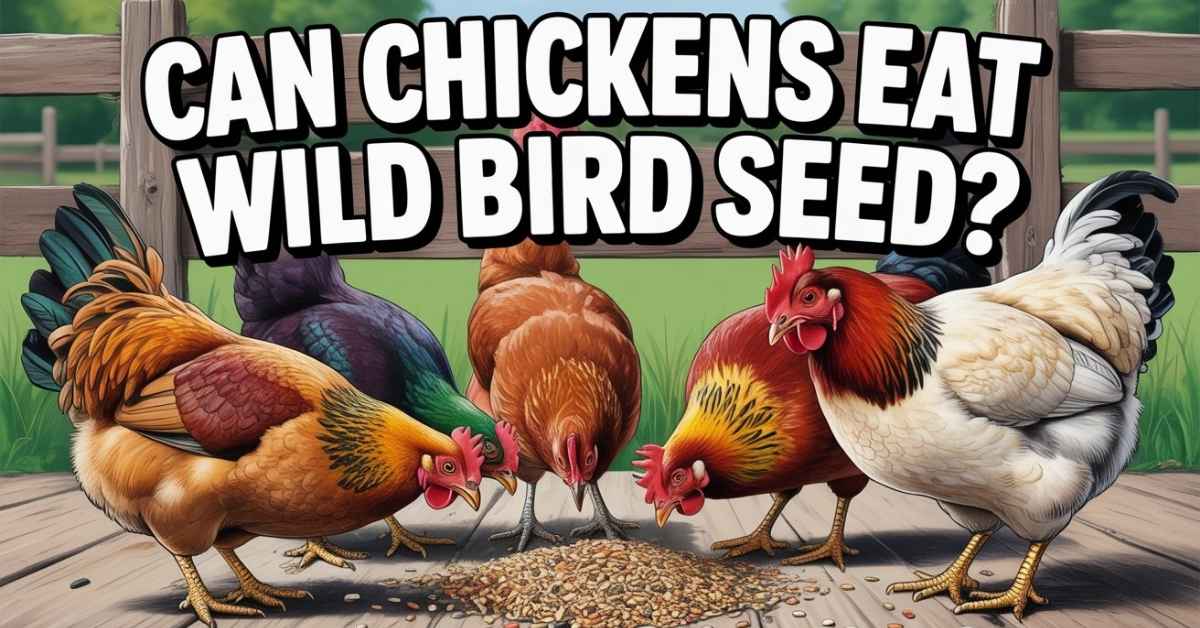
Can chickens eat wild bird seed? Yes, chickens can safely eat most wild bird seed mixes in moderation. Many backyard flock owners notice their hens pecking under bird feeders or stealing scattered seed from wild birds. In most cases, this is not dangerous.
Chickens naturally eat seeds as part of their natural foraging behavior. However, not every seed mix is ideal for poultry nutrition, and some commercial bird seed blends can create health problems if fed too often.
The real issue is not whether chickens can eat bird seed at all. The bigger concern is understanding which seeds are safe, how much birds should eat, and what risks come with poor-quality seed mixes. Moldy seed, salty blends, excessive dried fruit, and high-fat treats can all affect flock health, digestion, and long-term nutrition.
This guide explains everything backyard chicken owners need to know using practical feeding advice, poultry digestion science, and real-world flock management insights.
Quick Answer for Worried Chicken Owners
If your chickens accidentally ate wild bird seed, there is usually no reason to panic. Most common seed ingredients like sunflower seeds, millet, cracked corn, and safflower are generally safe for healthy adult hens.
Still, wild bird seed should remain a treat rather than a replacement for balanced poultry feed. Chickens need complete avian nutrition, including:
- protein
- calcium
- vitamins
- minerals
- amino acids
Bird seed alone does not provide that balance.
| Question | Quick Answer |
|---|---|
| Can chickens eat wild bird seed safely? | Yes, in moderation |
| Can chicks eat bird seed? | Limited amounts only |
| Can bird seed replace chicken feed? | No |
| Are sunflower seeds safe for chickens? | Yes |
| Is moldy bird seed dangerous? | Very dangerous |
Why Chickens Love Wild Bird Seed So Much
Chickens are natural scratch-and-peck animals. In free-range environments, they constantly search for:
- seeds
- bugs
- greens
- grains
- insects
This instinct explains why chickens become excited around bird feeders. Wild bird seed activates their natural pecking behavior and feeding curiosity.
Many backyard flock owners notice chickens racing toward spilled bird seed before touching regular feed. This does not necessarily mean bird seed is healthier. High-fat seeds simply taste attractive to poultry. Chickens naturally prefer calorie-dense foods, especially during cold weather or molting season.
Is Wild Bird Seed Actually Healthy for Chickens?
Wild bird seed can provide useful nutrients, but it should never become the foundation of a chicken diet. Most seed blends contain:
- healthy fats
- carbohydrates
- fiber
- moderate protein
Some seeds also provide:
- omega fatty acids
- antioxidants
- trace minerals
However, balanced poultry feed still offers far better nutrition for long-term flock health and egg production.
Nutritional Breakdown of Common Bird Seed Ingredients
| Seed Type | Protein | Fat | Safe for Chickens? | Notes |
|---|---|---|---|---|
| Black oil sunflower | High | High | Yes | Great winter treat |
| Millet | Moderate | Low | Yes | Easy digestion |
| Cracked corn | Low | Moderate | Yes | Energy source only |
| Safflower | Moderate | High | Yes | Feed moderately |
| Flax seed | Moderate | Healthy fats | Yes | Good omega source |
| Nyjer seed | High | High | Small amounts | Rich but fatty |
Bird Seed vs Chicken Feed Comparison
One major mistake flock owners make is assuming bird seed and poultry feed are nutritionally similar. They are not.
Bird seed works better as enrichment feeding or occasional snacks. Chicken feed is scientifically designed to support:
- eggshell quality
- muscle maintenance
- feather growth
- reproductive health
- calcium metabolism
| Category | Wild Bird Seed | Poultry Feed |
|---|---|---|
| Protein Balance | Inconsistent | Balanced |
| Calcium | Very low | Proper levels |
| Vitamins | Limited | Fortified |
| Long-Term Nutrition | Weak | Complete |
| Egg Production Support | Minimal | Excellent |
Can Chickens Digest Wild Bird Seed Properly?
Yes. Healthy adult chickens usually digest seeds surprisingly well because their digestive anatomy is built for processing grains and hard foods.
How the Chicken Gizzard Works
Chickens do not chew food with teeth. Instead, swallowed food enters the crop before moving into the muscular gizzard. The gizzard crushes:
- grains
- seeds
- shells
- plant matter
This process allows chickens to break down bird seed naturally.
Why Grit Matters
When chickens eat harder foods, grit becomes important. Small stones inside the gizzard help grind tougher seed hulls. Without grit, digestion efficiency decreases.
This is especially important when feeding:
- sunflower seeds
- safflower
- flax
- cracked corn
Which Wild Bird Seeds Are Safest for Chickens?
Not all seeds are equal. Some bird seed ingredients offer better nutritional value and easier digestion.
Best Bird Seeds for Backyard Chickens
| Seed | Benefits |
|---|---|
| Black oil sunflower seeds | Healthy fats and energy |
| Millet | Easy digestion |
| Pumpkin seeds | Natural enrichment |
| Flax seeds | Omega fatty acids |
| Chia seeds | Fiber and nutrients |
Many flock owners use black oil sunflower seeds during winter because the extra calories help chickens maintain body heat.
Bird Seed Ingredients That Can Become Dangerous
The biggest danger is usually not the seeds themselves. The real risks come from additives, spoilage, or poor-quality seed mixes.
Dangerous Bird Seed Problems
| Problem | Risk |
|---|---|
| Moldy seed | Mycotoxins |
| Wet seed | Bacterial growth |
| Salted blends | Sodium toxicity |
| Artificial flavoring | Digestive stress |
| Rancid oils | Poor digestion |
Mold and Aflatoxins
Moldy bird seed is especially dangerous because it may contain aflatoxins, toxic compounds created by fungi. These toxins can damage:
- liver function
- immune support
- digestion
- egg production
Spoiled seed creates far more danger than normal fresh bird seed.
The Hidden Problem With Feeding Too Much Bird Seed
One of the most overlooked problems is overfeeding high-fat seeds. Chickens love calorie-rich foods, but too much seed can create:
- obesity
- reduced protein intake
- poor nutrition balance
- reduced laying performance
This becomes especially common in confined backyard flocks with limited exercise.
Signs Chickens Eat Too Much Bird Seed
- excessive weight gain
- reduced egg laying
- greasy feathers
- reduced appetite for feed
- loose droppings
Bird seed should stay part of the “treat” category, not the main diet.
Can Baby Chicks Eat Wild Bird Seed?
Baby chicks require much more careful feeding management than adult hens. Their digestive systems are immature, and larger seeds can create choking risks.
Why Chicks Need Different Nutrition
Young chicks require:
- high protein
- balanced amino acids
- easy digestion
- starter feed nutrition
Bird seed lacks many of these nutritional requirements.
Safe Chick Feeding Advice
Small soft seeds may be tolerated occasionally, but chicks should mainly eat:
- chick starter feed
- finely crumbled nutrition
- appropriate chick grit
Large sunflower seeds or hard seed blends are not ideal for baby birds.
Can Wild Bird Seed Replace Chicken Feed?
No. This is one of the most important things backyard chicken owners must understand.
Wild bird seed does not contain:
- balanced protein
- proper calcium
- vitamin fortification
- amino acid balance
Long-term seed-heavy diets may lead to:
- poor eggshell quality
- weak feather growth
- nutritional deficiencies
- reduced flock health
Bird seed works best as:
- enrichment feeding
- cold-weather treats
- occasional supplements
Does Wild Bird Seed Affect Egg Production?
Indirectly, yes.
Bird seed itself does not “stop” egg production, but poor nutrition balance absolutely affects laying hens over time.
High-Fat Diet Problems
Excessive seed feeding may reduce:
- calcium intake
- protein balance
- vitamin consumption
These nutritional imbalances may eventually impact:
- eggshell quality
- laying consistency
- flock energy levels
Balanced feed should always remain the primary food source for laying hens.
The Biggest Mistake Backyard Chicken Owners Make
The most common mistake is treating bird seed like regular feed instead of occasional treats.
Many beginners assume:
“If wild birds thrive on seeds, chickens should too.”
But chickens have different nutritional requirements than small wild birds.
Another major problem is feeding old leftover bird seed from garages or outdoor feeders. Wet seed often develops dangerous mold quickly.
How Much Wild Bird Seed Should Chickens Eat?
Moderation matters more than the exact seed type.
Safe Feeding Framework
| Chicken Type | Safe Amount | Frequency |
|---|---|---|
| Adult hens | Small handful | 1–2 times weekly |
| Roosters | Moderate treat portions | Occasionally |
| Chicks | Minimal | Rare |
| Free-range chickens | Small supplements | Seasonal |
A good rule is:
treats should remain under 10% of the total diet.
What Happens If Chickens Accidentally Eat Too Much Bird Seed?
Most healthy chickens recover fine after overeating seeds temporarily. However, excessive consumption can create digestive upset.
Possible Symptoms
- diarrhea
- loose droppings
- crop discomfort
- lethargy
- reduced appetite
Very fatty seed diets may eventually contribute to obesity and lower activity levels.
If chickens show severe symptoms or signs of illness, a poultry veterinarian should evaluate them.
Why Moldy Bird Seed Is More Dangerous Than Most People Realize
Many flock owners underestimate how dangerous wet or fermented bird seed becomes.
Warm moist conditions encourage:
- bacteria
- mold
- fungal toxins
- fermentation
These contaminants may weaken the immune system and damage long-term flock health.
Safe Bird Seed Storage Tips
- keep seed dry
- use sealed containers
- avoid damp garages
- throw away spoiled seed immediately
Wild Bird Feeders and Backyard Chicken Health Risks
Bird feeders sometimes create disease concerns because wild birds may carry pathogens.
Possible Risks Around Bird Feeders
| Risk | Explanation |
|---|---|
| Avian influenza | Wild bird transmission |
| Parasites | Shared feeding spaces |
| Dropping contamination | Unsanitary conditions |
Keeping feeders separate from chicken runs reduces risk significantly.
The Best Ways to Feed Bird Seed to Chickens Safely
Bird seed works best when used intentionally.
Good Feeding Methods
- scatter feeding for enrichment
- winter calorie support
- mixed lightly into scratch grains
- occasional boredom relief
Many flock owners use bird seed strategically during:
- winter
- molting season
- cold mornings
This creates enrichment while avoiding overfeeding.
Why Chickens Naturally Self-Regulate Certain Foods
Interestingly, chickens often self-limit foods they dislike. Some hens avoid certain seed types entirely while others aggressively peck for sunflower seeds.
Breed differences, flock hierarchy, and food preferences all influence feeding behavior.
Free-range chickens usually balance treats better because they have access to:
- insects
- grasses
- greens
- natural protein sources
LEARN MORE: Can Chickens Eat Oranges?
Safer Alternatives to Wild Bird Seed
Some treats offer better nutrition than bird seed.
| Alternative | Benefit |
|---|---|
| Mealworms | High protein |
| Oats | Easy digestion |
| Pumpkin seeds | Enrichment |
| Watermelon | Hydration |
| Leafy greens | Vitamins |
These foods often support stronger poultry nutrition balance than high-fat seed blends.
Real Backyard Flock Scenarios Most Articles Ignore
Many flock owners first search this topic after chickens accidentally invade bird feeders. Others wonder if leftover winter bird seed can be reused safely.
Experienced backyard keepers often feed small amounts intentionally but still rely primarily on balanced feed.
This real-world balance matters more than extreme “never feed bird seed” advice.
Common Myths About Chickens and Bird Seed
“Bird Seed Is Toxic to Chickens”
False. Most normal seed mixes are safe in moderation.
“Seeds Destroy Egg Production”
Not directly. Poor overall nutrition causes laying problems, not occasional seed treats.
“All Bird Seed Mixes Are Safe”
False. Moldy, salty, or chemically treated seed can become dangerous.
“Wild Birds and Chickens Need the Same Diet”
Not true. Chickens need much more balanced nutrition than most wild birds.
Questions Backyard Chicken Owners Ask Most
Can chickens eat wild bird seed every day?
It is not ideal. Bird seed should remain an occasional treat.
Can chickens eat sunflower seeds safely?
Yes. Black oil sunflower seeds are especially popular.
Can baby chicks eat bird seed?
Only very limited soft seeds with proper grit.
Is moldy bird seed dangerous for chickens?
Yes. Mold toxins can seriously harm poultry.
Can bird seed replace scratch grains?
Bird seed may supplement scratch grains but should not fully replace balanced poultry feed.
Expert Feeding Framework for Backyard Flocks
The healthiest backyard feeding strategy follows the “90/10 rule.”
Simple Feeding Rule
- 90% balanced poultry feed
- 10% treats and enrichment foods
This keeps:
- egg production stable
- digestion healthy
- nutrition balanced
- flock weight under control
Seasonal rotation also helps prevent overfeeding high-fat treats year-round.
Final Verdict: Should You Feed Wild Bird Seed to Chickens?
So, can chickens eat wild bird seed? Yes, healthy adult chickens can safely enjoy most bird seed mixes in moderation. Seeds fit naturally into poultry feeding behavior and can provide enrichment, winter energy, and nutritional variety.
However, bird seed should never replace balanced chicken feed. The biggest dangers come from:
- moldy seed
- excessive fat intake
- poor nutrition balance
- salty commercial blends
- overfeeding treats
When used carefully, wild bird seed can become a safe supplemental snack for backyard flocks while supporting natural scratching and pecking instincts.