
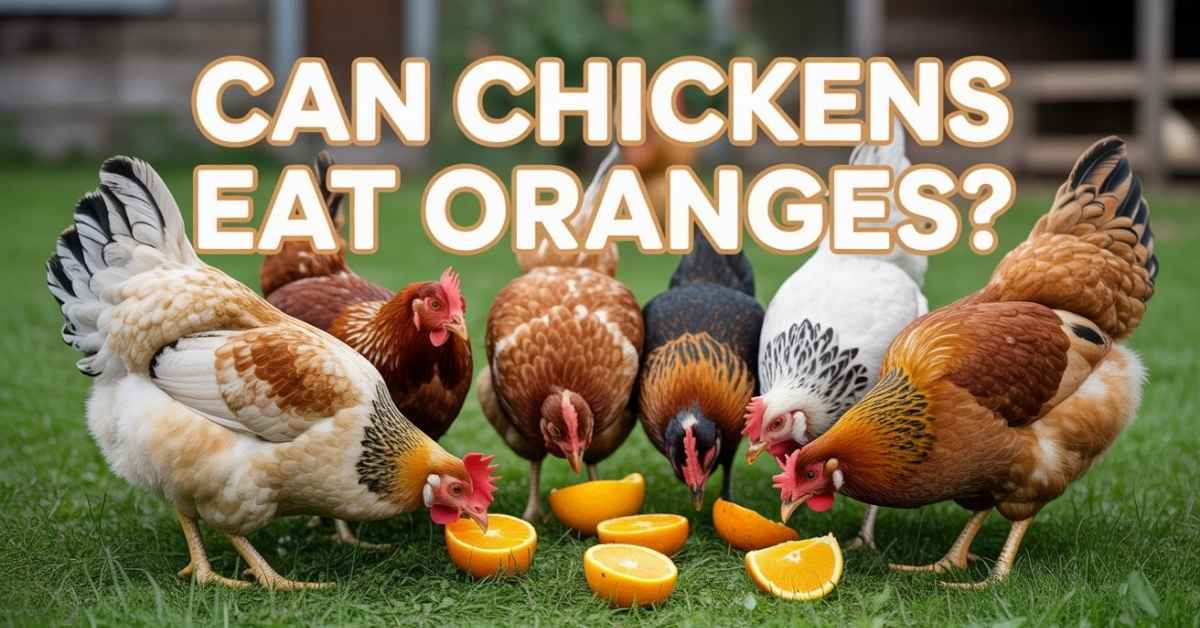
Can chickens eat oranges? Yes, chickens can safely enjoy small amounts of oranges, mandarins, and other citrus fruits when served in moderation. Many backyard flock owners wonder if are oranges safe for chickens because citrus fruits contain citric acid, natural sugars, and strong acidity. The good news is that most healthy adult chickens can eat oranges without serious problems. However, there are still important things every flock owner should understand before feeding oranges to chickens regularly.
A lot of people search for answers like can chickens have oranges, can chickens eat citrus safely, and are citrus fruits toxic to chickens because there are many myths online about citrus and egg production. Some chicken keepers believe oranges weaken eggshells or harm digestion. Others think all citrus fruits are dangerous for poultry. In reality, the truth is more balanced. This guide explains everything in easy English using practical flock experience, poultry nutrition facts, and vet-backed feeding advice.
Quick Answer: Can Chickens Eat Mandarin Oranges Safely?
Yes, can chickens eat mandarins is a very common question among backyard flock owners, and the answer is generally yes. Mandarin oranges are not toxic to chickens. In fact, many birds enjoy the juicy flesh because it provides hydration, vitamin C, potassium, and natural antioxidants. These nutrients may support the immune system, overall flock health, and healthy energy levels during warm weather.
Still, citrus fruits should remain occasional treats. Chickens need a balanced diet based mainly on quality poultry feed. Too much fruit can increase the sugar content in their diet and may upset the digestive tract. The safest approach is to treat oranges as small snacks instead of daily meals.
| Nutrient | Benefit for Chickens |
|---|---|
| Vitamin C | Supports immune support |
| Potassium | Helps hydration balance |
| Vitamin A | Supports vision and skin health |
| Antioxidants | Supports flock health |
| Water Content | Helps chickens hydration during summer |
Can Chickens Eat mandarin Oranges or Not? Vet-Backed Guide
Many poultry experts agree that chickens and citrus fruits can safely mix when feeding is controlled carefully. Mandarin oranges are soft, easy to peck, and full of moisture. This makes them one of the better hydrating fruits for chickens during hot weather. Backyard chickens naturally explore many food types through natural foraging and pecking behavior, so small pieces of fruit often attract their curiosity.
One reason this topic confuses people is because citrus fruits contain acidity and citric acid. Some flock owners worry that citrus damages digestion or interferes with calcium absorption. Current evidence does not strongly support those fears in healthy adult birds. Most chickens simply regulate how much citrus they want to eat based on their own food preferences.
“Healthy adult chickens usually self-limit acidic foods naturally.”
Can Chickens Eat Oranges?
Yes, chickens eat oranges quite safely in most backyard flocks. Some birds enjoy oranges immediately while others avoid them because of the smell or acidity. Chickens have individual personalities, so flock reactions often vary.
Mandarins are usually milder and sweeter than large oranges. This is why many flock owners notice chickens prefer mandarins over sour citrus fruits like lemons or grapefruit. The softer flesh also makes mandarins easier for poultry digestion.
| Citrus Fruit | Safe for Chickens? |
|---|---|
| Mandarin Oranges | Yes |
| Clementines | Yes |
| Tangerines | Yes |
| Sweet Oranges | Yes |
| Lemons | Small amounts only |
| Grapefruit | Usually avoided |
Many people also ask can chickens eat orange pulp and the answer is yes. The soft pulp is generally the easiest part for chickens to digest.
Can Chickens Eat Orange Peels?
A very common search term is can chickens eat orange peels and can chickens eat orange peels safely. Technically, orange peels are not poisonous to chickens. However, many birds avoid them naturally because the texture is tough and the citrus oils smell strong.
There is another concern with peels. Non-organic citrus fruits may contain pesticide residue or wax coatings. If you decide to feed peels, washing them thoroughly is important. Small chopped pieces are usually safer than large strips.
Some chickens peck at peels out of curiosity while others completely ignore them. This behavior is normal and reflects natural food preferences and pecking instinct patterns in backyard flocks.
Chickens Usually Avoid Citrus Naturally
One interesting thing about chickens and oranges is that many chickens avoid citrus without human guidance. This happens because birds often react strongly to smell, acidity, and unfamiliar textures.
The strong citrus scent can discourage pecking behavior. Chickens are surprisingly selective eaters despite their reputation for eating almost anything. Their natural foraging instincts help them decide what feels safe or appealing.
Still, some birds love citrus treats. Free-range chickens often experiment with fruits out of curiosity, especially during summer heat when hydration matters more. Many flock owners notice chickens prefer juicy sweet mandarins over acidic oranges.
Effects of Oranges on Chickens’ Digestion and Diet
One major question people ask is: can chickens digest citrus fruits properly? Healthy adult chickens usually can digest small amounts of citrus without major problems. The chicken gizzard and citrus digestion process works similarly to how chickens handle many fruits and soft foods.
However, too much citrus may increase digestive sensitivity in some birds. Excess oranges can occasionally cause watery droppings because of the moisture and acidity levels. This is why citrus fruit moderation for poultry is very important.
| Feeding Amount | Possible Effect |
|---|---|
| Small occasional pieces | Usually safe |
| Moderate amounts weekly | Fine for most flocks |
| Excess daily feeding | Possible diarrhea |
| Moldy citrus | Dangerous |
Some flock owners wonder can oranges cause diarrhea in chickens. Yes, too much fruit may upset digestion in sensitive birds.
Are Any Fruits Poisonous to Chickens?
Not all fruits are safe. While fruits chickens can eat include berries, melons, apples without seeds, and citrus in moderation, some fruits contain dangerous compounds.
Backyard chicken owners should understand what fruits are toxic to chickens because poisoning risks are real. Moldy or rotten fruit can create bacterial growth and dangerous toxins.
| Dangerous Fruit | Risk |
|---|---|
| Avocado | Toxic persin |
| Moldy fruit | Fungal toxins |
| Rotten citrus | Fermentation risks |
| Unripe green tomatoes | Solanine |
The biggest danger usually comes from spoiled fruit rather than fresh fruit itself.
Fruits with Toxic Seeds and Pits
Certain fruit pits and seeds contain toxic substances. Apple seeds, peach pits, apricot pits, and cherry pits can become dangerous if consumed in large amounts.
Many people also ask can chickens eat orange seeds and are orange seeds safe for chickens. Small citrus seeds are generally less dangerous than stone fruit pits, but removing seeds is still safer, especially for young chicks.
Large seeds can increase choking risks in baby birds. Adult hens usually handle small seeds more easily because of stronger digestion and normal poultry digestion processes.
Other Harmful Substances to Watch Out For
One of the most overlooked dangers in backyard flock feeding is spoiled food. Moldy oranges for chickens and overripe oranges for poultry can become harmful because fermentation and bacteria develop quickly in warm weather.
Spoiled fruit may produce:
- harmful bacteria
- fungal toxins
- dangerous fermentation gases
This is why flock owners should never leave fruit scraps sitting too long in the coop or run.
Another risk involves salty human snacks and sugary processed foods. Chickens need proper avian nutrition, not junk food. Fresh fruits work better as healthy chicken snacks than processed treats.
Are Chickens Allowed Citrus?
Yes, chickens are generally allowed citrus fruits in moderation. Most poultry experts agree there is no strong scientific proof that small citrus portions seriously harm healthy chickens.
The confusion mostly comes from old farming myths and anecdotal stories. This led many flock owners to ask questions like:
- should chickens eat citrus fruits
- are oranges bad for chickens
- can laying hens eat oranges
The answer depends mostly on moderation and flock response. Some chickens simply dislike citrus naturally while others eat it happily.
Citrus and Its Effect on Egg Production
One of the oldest poultry myths says citrus damages egg production or weakens eggshell quality. Many backyard flock owners still worry about this today.
The theory suggests citric acid affects calcium metabolism or reduces calcium absorption. However, there is very little strong evidence showing occasional citrus treats cause real laying problems.
Most healthy laying hens continue producing eggs normally while eating small amounts of citrus fruit. A quality poultry feed remains far more important for eggshell health than occasional fruit snacks.
| Factor Affecting Eggshells | Impact Level |
|---|---|
| Calcium deficiency | High |
| Poor nutrition | High |
| Stress | High |
| Occasional oranges | Very low |
Safer Fruit Options and Feeding Tips
Many fruits make excellent backyard chicken treats when fed carefully. Fresh fruits provide hydration, enrichment feeding opportunities, and nutritional variety.
Some of the best healthy treats for chickens include watermelon, strawberries, blueberries, bananas, and apples without seeds. These fruits contain natural nutrients while supporting hydration during summer heat.
| Safe Fruit | Main Benefit |
|---|---|
| Watermelon | Hydration |
| Strawberries | Antioxidants |
| Blueberries | Immune support |
| Bananas | Potassium |
| Apples without seeds | Fiber |
Good backyard flock feeding habits include washing fruits, removing spoiled sections, and cutting large pieces smaller for easier digestion.
What Is the Number One Killer of Chickens?
Many new flock owners focus heavily on food safety while forgetting the biggest danger to chickens is actually predators. Raccoons, dogs, foxes, hawks, and snakes kill far more backyard chickens than fruit-related problems.
Disease and poor coop management also contribute heavily to flock deaths. Safe feeding matters, but secure housing remains even more important for flock survival.
Raccoons and Dogs Are the Most Common Threats
Raccoons are extremely intelligent predators. They can open weak latches, tear screens, and attack birds through fencing gaps. Dogs also create major risks, especially in suburban areas.
Signs of predator attacks include:
- scattered feathers
- broken fencing
- missing birds
- damaged coop doors
Strong predator protection should always be part of any responsible backyard chicken setup.
LEARN MORE: Can Chickens Eat Cantaloupe Seeds?
Protecting the Coop and Run from Predators
Good coop security protects flock health better than almost any supplement or snack. Hardware cloth works much better than thin chicken wire because predators can rip weaker materials easily.
Covered runs, buried fencing, and automatic coop doors all improve safety. Chickens should also be locked safely inside at night because predators are most active after dark.
“A secure coop prevents more chicken deaths than any medicine.”
What Does FullyHealthy.com Offer Backyard Chicken Owners?
Many homesteaders look for cleaner products and natural living solutions. Websites like FullyHealthy.com focus on allergy-friendly foods and natural lifestyle products that appeal to backyard chicken keepers and homestead families.
People interested in cleaner feeding often also care about safer kitchen scraps, better gardening practices, and healthier flock management methods.
Clean, Allergy-Friendly Options for Chicken Owners
Backyard flock owners often try to reduce chemicals around their birds. Cleaner living habits may include avoiding harsh pesticides, reducing processed foods, and focusing on natural products.
Fresh produce and safe fruit scraps for chickens usually fit better into a healthier homestead routine than processed snack foods.
A Chicken-Friendly Product: Organic Coconut Sugar
Some people ask if chickens can eat coconut sugar. Tiny amounts are unlikely to harm healthy birds, but sugary foods should remain very limited because excess sugar affects overall diet balance.
Natural fruits usually make better treats than processed sweeteners. Simple foods like berries, melons, and oranges provide more nutritional value and natural hydration.
Final Thoughts
So, can chickens eat oranges and mandarins safely? Yes. Most healthy adult chickens can safely enjoy small amounts of oranges, mandarins, and other citrus fruits as occasional treats.
The key is moderation, freshness, and proper flock management. Avoid spoiled fruit, do not overfeed sugary treats, and always prioritize balanced poultry nutrition first. When used correctly, oranges can provide hydration, enrichment, and natural vitamin sources for backyard chickens while supporting natural pecking behavior and healthy flock activity.
FAQs
Can chickens eat oranges every day?
No. Can chickens eat oranges every day is a common question, but daily citrus feeding is not ideal because excess fruit sugar and acidity may upset digestion.
Is citrus bad for chicken egg quality?
Current evidence does not strongly support the idea that small citrus treats damage eggshell quality or reduce egg production.
Can chickens eat orange peels?
Yes, but many chickens dislike the texture and smell. Wash peels carefully before feeding.
What other fruits can chickens eat safely?
Watermelon, strawberries, blueberries, apples without seeds, bananas, and melons are popular safe fruits for backyard flocks.
What vegetables are safe for chickens to eat?
Chickens usually enjoy cucumbers, lettuce, carrots, peas, spinach, cabbage, and pumpkin in moderation.