
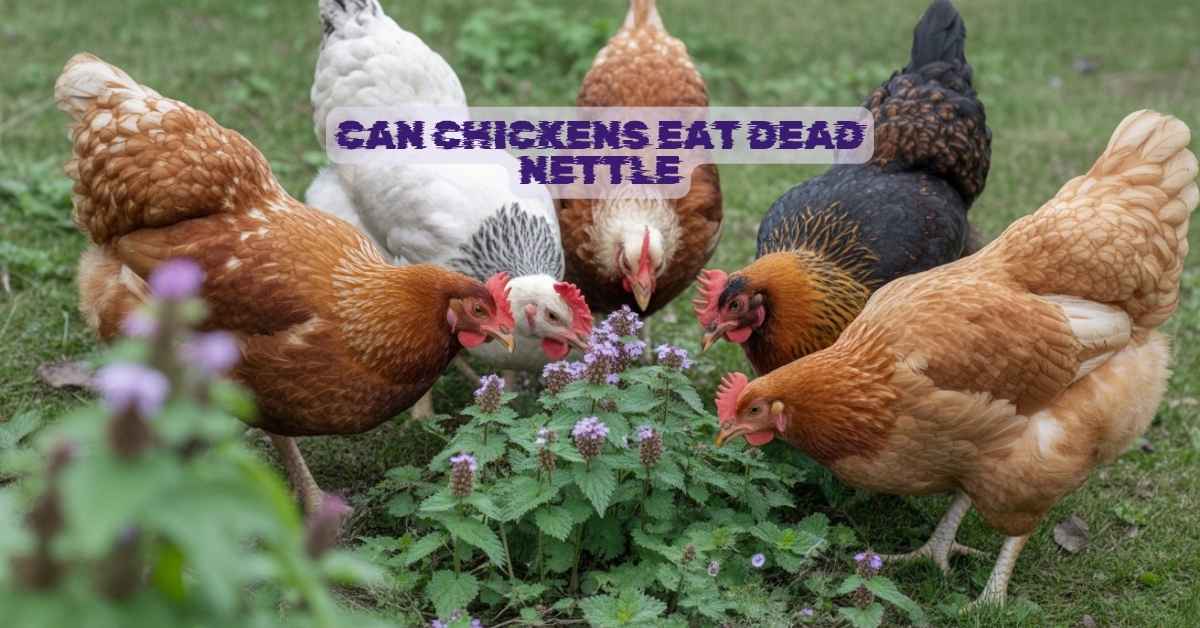
Can chickens eat dead nettle? Yes—chickens can eat dead nettle, and it is considered a non-toxic, safe wild plant for poultry when fed in moderation. This common backyard weed, known scientifically as Lamium species, is often part of a natural free-range chicken diet. However, like any green, it should only make up a small portion (≤10%) of the overall diet to maintain proper nutrition.
Backyard chicken keepers frequently encounter wild plants and wonder which ones are safe. Dead nettle stands out as a safe, edible weed for chickens, but understanding how to identify, feed, and manage it properly is essential for maintaining flock health.
What Is Dead Nettle?
Dead nettle is a herbaceous plant commonly found in gardens, lawns, and fields. Despite its name, it is not related to stinging nettle and does not have any stinging hairs.
Botanical Identification (Lamium Species)
Dead nettle belongs to the Lamium genus, a group of non-toxic herbaceous plants. It is easy to recognize once you know what to look for.
| Feature | Description |
|---|---|
| Leaves | Soft, fuzzy, often heart-shaped |
| Flowers | Small, purple, pink, or white |
| Stem | Square-shaped (typical of mint family) |
| Texture | No stinging hairs |
This plant is widely considered part of a natural forage system for backyard chickens.
Where Dead Nettle Grows
Dead nettle thrives in cool seasons, especially during spring, which is its peak growth period.
| Growth Factor | Detail |
|---|---|
| Season | Spring (peak), early summer |
| Habitat | Lawns, gardens, roadside areas |
| Availability | Common in backyard ecosystems |
This seasonal abundance makes it a valuable natural green for free-range chickens.
Dead Nettle vs Stinging Nettle (Important Difference)
One of the biggest concerns for poultry keepers is confusing dead nettle with stinging nettle, which can cause irritation.
Key Differences
| Feature | Dead Nettle | Stinging Nettle |
|---|---|---|
| Stinging hairs | None | Present |
| Toxicity | Non-toxic | Can irritate |
| Family | Mint family | Urticaceae |
| Chicken safety | Safe | Risky unless processed |
👉 Important Insight: Dead nettle is completely safe to handle and feed, while stinging nettle requires careful preparation.
Is Dead Nettle Safe for Chickens?
Dead nettle is classified as a safe weed for chickens, making it suitable for both controlled feeding and natural foraging.
Safety Classification
- Non-toxic plant
- Safe for free-range chickens
- Suitable for natural chicken diets
Chickens naturally recognize and consume safe plants, which is part of their avian foraging behavior.
Why Chickens Naturally Eat Dead Nettle
Chickens are instinctive foragers. Their behavior is driven by a need to diversify their diet.
Foraging Benefits
- Provides nutritional variety
- Encourages natural behavior
- Supports a balanced poultry diet
This makes dead nettle a useful addition to a backyard chicken ecosystem.
Nutritional Benefits of Dead Nettle
Dead nettle may not be as nutrient-dense as cultivated greens, but it still contributes to overall health.
Key Nutrients
| Nutrient Group | Benefit |
|---|---|
| Vitamins (5–8+) | Support immune health |
| Minerals | Aid metabolic functions |
| Antioxidants | Protect cells |
| Fiber | Supports digestion |
These properties make it a nutrient-rich green supplement.
Benefits for Chickens
“A varied diet leads to stronger, healthier chickens.”
Dead nettle contributes to:
- Improved digestive health
- Better immune system function
- Increased diet diversity
However, it should always be used as a supplement, not a primary feed source.
Risks of Feeding Dead Nettle to Chickens
Although safe, dead nettle still carries certain risks.
Pesticide and Chemical Exposure
The biggest danger is not the plant itself but its environment.
- Lawn chemicals
- Pesticides
- Pollution
👉 Always ensure plants are 100% chemical-free before feeding.
Overconsumption Issues
Even safe plants can cause problems if overfed.
| Issue | Effect |
|---|---|
| Excess greens | Reduced feed intake |
| Imbalanced diet | Nutritional deficiency |
| Digestive upset | Loose droppings |
How Much Dead Nettle Can Chickens Eat?
Moderation is essential.
Safe Feeding Guidelines
| Factor | Recommendation |
|---|---|
| Diet ratio | 90% feed + 10% greens |
| Portion size | 1–2 handfuls per flock |
| Frequency | 1–2 times per week |
Chickens typically consume 100–150 grams of feed daily, so greens should remain a small supplement.
How to Feed Dead Nettle to Chickens
Dead nettle can be fed in multiple ways depending on your setup.
Fresh vs Dried Dead Nettle
| Type | Benefit |
|---|---|
| Fresh | Maximum nutrients |
| Dried | Longer storage, less moisture |
Feeding Methods
- Mixed with regular feed
- Scattered for natural foraging
- Combined with other greens
This flexibility makes it easy to integrate into any chicken feeding routine.
Foraging Behavior: Why Chickens Love Wild Weeds
Chickens evolved as foraging animals, meaning they naturally seek out diverse plant sources.
Natural Feeding Modes
| Mode | Description |
|---|---|
| Controlled feeding | Provided by owner |
| Free-range foraging | Natural plant selection |
Dead nettle fits perfectly into this ecological feeding system.
Safe vs Unsafe Weeds for Chickens
Not all weeds are safe. Knowing the difference is crucial.
| Weed Type | Safety |
|---|---|
| Dead nettle | Safe |
| Clover | Safe |
| Dandelion | Safe |
| Nightshade | Toxic |
This comparison helps prevent accidental poisoning.
Signs You Are Feeding Too Much Greens
Overfeeding greens, including dead nettle, can lead to issues.
Warning Signs
- Reduced appetite for feed
- Digestive imbalance
- Lower egg production
These indicate a disruption in the balanced poultry diet.
Feeding Greens to Chickens the Right Way
Maintaining proper balance is key.
Golden Rule
👉 90% commercial feed + 10% greens/treats
This ensures chickens receive complete nutrition while benefiting from natural foods.
Other Safe Wild Plants Chickens Can Eat
Expanding your flock’s diet improves health.
| Plant | Benefit |
|---|---|
| Dandelion | Rich in vitamins |
| Chickweed | High protein |
| Clover | Nutrient-dense |
| Plantain | Digestive support |
These plants create a diverse forage-based diet.
Plants Chickens Should Avoid
Some plants are dangerous and should never be fed.
| Plant | Risk |
|---|---|
| Nightshade | Toxic |
| Foxglove | Poisonous |
| Hemlock | Highly toxic |
Understanding plant safety is essential for backyard chicken management.
LEARN MORE: Can Chickens Eat Eggplants?
Backyard Case Study: Chickens Foraging Dead Nettle
A small backyard flock was allowed to free-range in a garden rich in dead nettle during spring.
Observed Results (Over 3 Weeks)
- Chickens consumed dead nettle naturally
- No health issues reported
- Improved activity and foraging behavior
Conclusion: Dead nettle supports natural feeding habits when part of a diverse environment.
Expert Tips for Feeding Wild Plants to Chickens
“Safe foraging starts with knowledge, not guesswork.”
- Always identify plants correctly
- Avoid chemically treated areas
- Rotate greens regularly
These practices create a safe and sustainable feeding system.
FAQs About Chickens and Dead Nettle
Can chickens eat dead nettle daily?
No, limit to 1–2 times per week to maintain balance.
Is dead nettle poisonous to chickens?
No, it is a non-toxic plant.
Can chicks eat dead nettle?
Yes, but in very small amounts.
How do I identify dead nettle safely?
Look for soft leaves, square stems, and no stinging hairs.
Final Verdict: Should Chickens Eat Dead Nettle?
Dead nettle is a safe, natural, and beneficial weed for chickens when used correctly. It supports foraging behavior, adds dietary variety, and contributes to overall health.
👉 The key principle is simple: Feed in moderation, ensure safety, and maintain a balanced diet.
Key Takeaways
- Chickens can eat dead nettle safely
- It is a non-toxic plant (Lamium species)
- Follow the 10% greens rule
- Feed 1–2 times per week
- Avoid chemically treated plants