
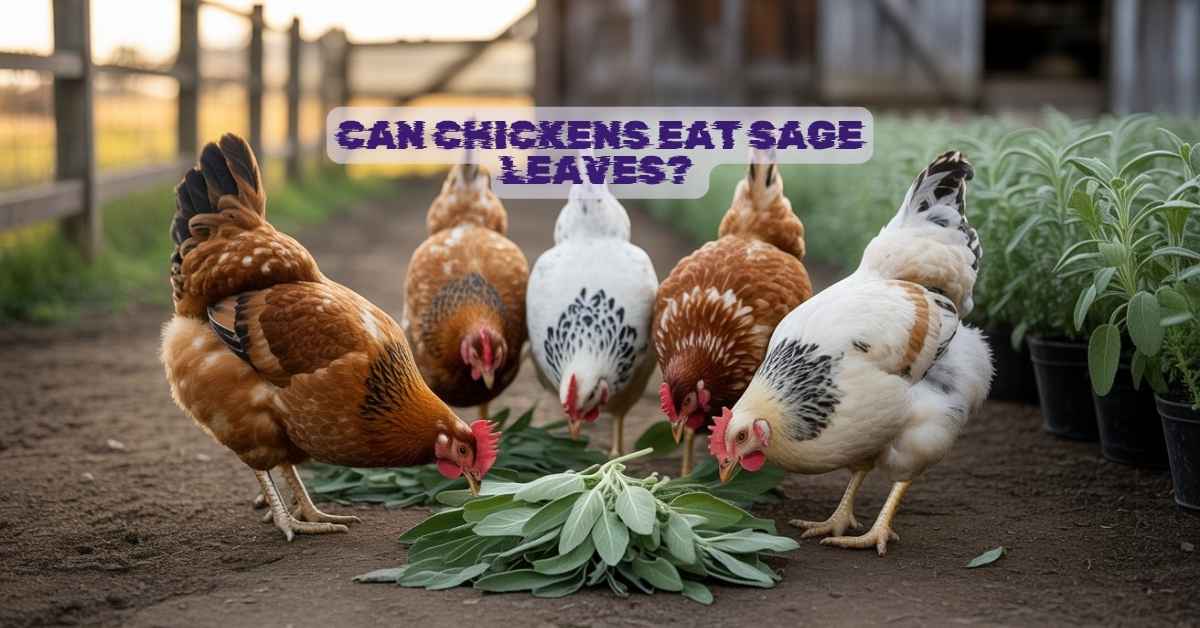
Can chickens eat sage leaves? Yes—chickens can eat sage leaves, and in fact, this herb can offer natural health benefits when fed in moderation.
If you’re wondering can chickens eat sage leaves safely, the answer is yes, but only in small amounts as part of a balanced diet. Sage is a non-toxic, antioxidant-rich herb that supports poultry health, but like all herbs, it should never replace proper chicken feed.
This complete guide explains everything about feeding sage to chickens, including nutritional value, benefits, risks, feeding methods, and expert tips to maintain a healthy backyard chicken diet.
Can Chickens Eat Sage Leaves?
Yes, sage leaves are safe for chickens when given in moderation.
To ensure safety and benefits:
- Feed in small amounts only
- Use fresh or dried sage
- Follow the ≤10% treat rule
Sage works best as a herbal supplement, not a primary food source.
Are Sage Leaves Safe for Chickens?
Sage is a non-toxic herb widely used in natural poultry care. Chickens can safely consume it without harmful effects when fed correctly.
In traditional backyard poultry feeding, herbs like sage are often used to:
- Improve digestion
- Support immune health
- Enhance overall flock well-being
Unlike processed foods, sage fits well into a natural chicken diet, making it a valuable addition when used properly.
Nutritional Value of Sage Leaves for Chickens
Sage leaves contain a rich profile of nutrients that contribute to poultry nutrition.
Macronutrient Breakdown
| Nutrient | Amount (per 100g dried) |
|---|---|
| Calories | ~315 kcal |
| Protein | ~10–11g |
| Fat | ~12–13g |
| Carbohydrates | ~60g |
| Fiber | ~40g |
Vitamins & Minerals
| Nutrient | Value |
|---|---|
| Calcium | ~1600mg |
| Iron | ~25–30mg |
| Vitamin K | ~1700µg |
These values show why sage is considered an antioxidant-rich herb with strong nutrient density.
Health Benefits of Sage Leaves for Chickens
Sage provides multiple benefits when included in a balanced chicken diet.
Antioxidant Properties
Sage contains powerful compounds that help reduce oxidative stress, supporting the immune system.
Anti-Inflammatory Effects
Natural plant compounds help reduce inflammation, improving overall flock health.
Digestive Support
The high fiber content (~40g per 100g) aids digestion and promotes gut health.
Natural Antibacterial Effects
Sage has mild antibacterial properties that can help protect chickens from common infections.
“Herbs like sage act as natural supplements, supporting poultry health without synthetic additives.”
Risks of Feeding Sage Leaves to Chickens
Even beneficial herbs can cause problems if overused.
Overconsumption Issues
Too much sage may lead to:
- Digestive irritation
- Reduced appetite
Essential Oil Concentration
Sage contains essential oils, which are beneficial in small doses but can become too strong when overfed.
Dried vs Fresh Potency
Dried sage is 2–3× more concentrated than fresh sage, increasing the risk of overconsumption.
How Much Sage Can Chickens Eat?
Moderation is essential when feeding herbs.
| Factor | Recommendation |
|---|---|
| Portion | Small handful |
| Frequency | 2–3 times per week |
| Diet ratio | ≤10% of total diet |
This ensures chickens receive proper nutrition while benefiting from herbal supplementation.
How to Feed Sage Leaves to Chickens
Sage can be introduced in several effective ways.
Feeding Methods
- Fresh sage leaves scattered in the coop
- Dried sage mixed with feed
- Small portions offered by hand
Coop Uses
- Hanging sage bundles
- Adding to nesting boxes
- Natural pest deterrent
These methods promote natural foraging behavior and improve coop conditions.
Fresh vs Dried Sage for Chickens
Understanding the difference between forms is important.
| Type | Safe? | Notes |
|---|---|---|
| Fresh sage | ✅ | Mild and safe |
| Dried sage | ⚠️ | More concentrated |
| Sage oil | ❌ | Too strong |
Fresh sage is generally the safest option for regular use.
Can Chickens Eat Sage Leaves Daily?
No, sage should not be fed daily.
Daily feeding can lead to:
- Overexposure to plant compounds
- Nutrient imbalance
Sage should remain an occasional supplement rather than a routine food.
Can Baby Chicks Eat Sage Leaves?
Young chicks have sensitive digestive systems.
| Age | Recommendation |
|---|---|
| 0–6 weeks | ❌ Avoid herbs |
| 6–18 weeks | ⚠️ Minimal exposure |
| 18+ weeks | ✅ Occasional feeding |
Chicks require 18–22% protein starter feed, which herbs cannot provide.
Comparison: Sage vs Other Herbs for Chickens
| Herb | Benefit | Recommendation |
|---|---|---|
| Sage | Antioxidant | Good |
| Oregano | Antibacterial | Best |
| Mint | Cooling effect | Good |
| Thyme | Respiratory support | Good |
This comparison helps position sage within a broader herbal feeding strategy.
Best Herbs for Chickens
A variety of herbs can improve poultry health.
- Sage
- Oregano
- Thyme
- Basil
- Rosemary
These herbs provide natural supplements that enhance immune support and digestion.
Common Feeding Mistakes
Many chicken owners misuse herbs.
“If herbs are healthy, more is better.” Incorrect—overfeeding causes imbalance.
“All forms of herbs are equal.” False—dried herbs are more concentrated.
“Herbs can replace feed.” Wrong—chickens need balanced nutrition.
What Happens If Chickens Eat Too Much Sage?
Overfeeding sage can lead to mild symptoms.
Effects
- Digestive upset
- Reduced appetite
Symptoms typically appear within 1–6 hours and resolve within 24–48 hours once feeding is adjusted.
Expert Tips for a Balanced Chicken Diet
Maintaining a healthy flock requires balance.
- Keep herbs under 10% of total diet
- Maintain protein levels at 16–20%
- Ensure calcium intake of 3–4%
- Use herbs as supplements only
These practices improve feed efficiency and flock productivity.
LEARN MORE: Can Chickens Eat Stale Bread?
Case Study: Using Sage in a Backyard Chicken Diet
A backyard poultry owner introduced sage leaves into their flock’s diet. Over several weeks, they observed:
- Improved digestion
- Increased activity levels
- Healthier feather condition
After maintaining moderate feeding, the flock showed consistent health improvements.
Lesson: Controlled herbal supplementation can enhance poultry well-being.
FAQ: Sage Leaves and Chickens
Can chickens eat sage leaves?
Yes, sage leaves are safe in moderation.
Is sage good for chickens?
Yes, it provides antioxidants and supports health.
Can chickens eat herbs daily?
No, herbs should be occasional supplements.
How much sage can chickens eat?
Small amounts, following the ≤10% rule.
Is sage safe for chickens?
Yes, when fed properly and in moderation.
Final Verdict
Sage leaves are safe and beneficial for chickens when fed in moderation. They provide antioxidants, minerals, and natural health support, making them a valuable addition to a backyard chicken diet.
However, sage should always be:
- Fed in small amounts
- Used as a supplement
- Balanced with proper poultry feed
By following these guidelines, you can safely use sage to support your flock’s health, immunity, and overall well-being while avoiding common feeding mistakes.