
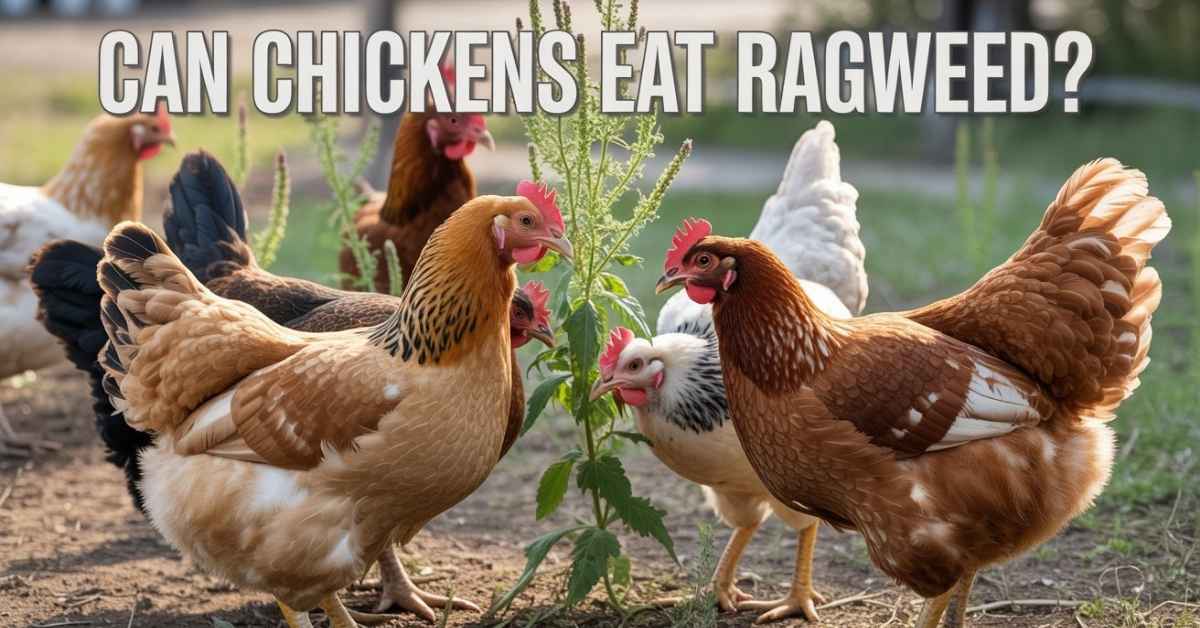
Can chickens eat ragweed? Yes, chickens can eat ragweed in moderation, and many free-range chickens naturally forage ragweed leaves, seeds, shoots, and other wild plants while grazing. Ragweed is generally not considered poisonous to chickens, making it one of several edible weeds backyard flocks may peck at safely. However, ragweed should only serve as a supplemental forage plant because chickens still need balanced poultry feed for proper nutrition, egg production, and flock health.
Many backyard chicken owners notice their flock eating weeds during free-range grazing and wonder whether these wild plants are safe. Ragweed often grows aggressively in pastures, open fields, disturbed soil, and chicken runs, making it common around free-range flocks. While chickens instinctively forage for natural greens, insects, and weed seeds, there are still important safety concerns involving pesticides, toxic plant lookalikes, and nutritional balance.
This complete guide explains everything you need to know about feeding ragweed to chickens safely, including nutritional value, forage benefits, risks, safe grazing practices, and the best weeds for backyard poultry.
Is Ragweed Safe for Chickens?
Yes, ragweed is generally safe for chickens when eaten in moderate amounts. Chickens naturally forage many types of weeds, grasses, seeds, and wild vegetation, especially in free-range and pasture-raised systems.
Unlike toxic plants such as hemlock or nightshade, ragweed is not widely recognized as poisonous to poultry. In fact, some pasture-based chicken keepers allow chickens to graze ragweed patches naturally.
However, moderation and proper weed identification remain extremely important.
Is Ragweed Poisonous to Chickens?
No, ragweed is not usually considered toxic to chickens. Most backyard flocks can safely peck at:
- ragweed leaves
- young shoots
- seeds
- tender stems
The larger concern is not the ragweed itself but:
- pesticide-treated weeds
- herbicide contamination
- moldy plants
- toxic weed lookalikes
Healthy chickens instinctively forage many edible weeds, but flock owners should still monitor pasture safety carefully.
Common Ragweed vs Giant Ragweed
There are two main ragweed varieties commonly discussed:
| Ragweed Type | Characteristics |
|---|---|
| Common Ragweed | Smaller leaves and shorter growth |
| Giant Ragweed | Taller plants with thicker stems and larger leaves |
Giant ragweed can grow several feet tall in nutrient-rich pasture systems. Chickens may peck at both varieties, especially young shoots and seeds.
Many people confuse ragweed with toxic weeds because of its wild appearance. Proper plant identification is important before allowing chickens to graze freely.
Why Chickens Naturally Eat Ragweed
Chickens are natural foragers with strong pecking instincts. Free-range chickens commonly eat:
- weeds
- seeds
- insects
- grasses
- wild greens
Ragweed often attracts insects and creates bug-rich ground cover, which encourages chickens to explore the area while searching for food.
What Is Ragweed?
Ragweed is a fast-growing annual weed commonly found in:
- fields
- roadsides
- gardens
- disturbed soil
- pastures
It belongs to the Ambrosia plant family and produces large amounts of pollen during late summer and fall.
How to Identify Ragweed Plants
Ragweed plants typically feature:
- jagged leaves
- green stems
- tall upright growth
- branching structures
Young plants are softer and more tender, while mature giant ragweed develops woody stems.
Where Ragweed Commonly Grows
Ragweed thrives in areas with:
- disturbed ground
- open sunlight
- loose soil
- pasture systems
Common locations include:
- chicken runs
- grazing fields
- garden edges
- fence lines
- vacant lots
Because chickens scratch and disturb soil constantly, ragweed often appears naturally in backyard flock environments.
Why Ragweed Thrives in Chicken Pastures
Chicken activity creates ideal growing conditions for many annual weeds.
Scratching behavior:
- exposes soil
- spreads seeds
- reduces grass competition
This allows ragweed and other broadleaf weeds to grow rapidly in pasture systems.
Nutritional Value of Ragweed for Chickens
Ragweed is not a complete feed source, but it can provide supplemental nutrition for grazing chickens.
Is Ragweed High in Protein?
Some poultry keepers consider giant ragweed a surprisingly protein-rich weed. Discussions about forage systems sometimes compare ragweed’s crude protein content to traditional forage crops like alfalfa.
Certain reports suggest:
- young ragweed contains moderate protein
- seeds provide additional nutrients
- forage plants support natural grazing
However, chickens should never rely solely on weeds for nutrition.
Nutrients Found in Ragweed
Ragweed may provide:
- fiber
- natural seed protein
- micronutrients
- roughage
- natural greens
Wild forage plants also encourage healthier grazing behavior and mental stimulation.
Can Ragweed Support Backyard Flock Nutrition?
Yes, ragweed can contribute to natural forage diversity in:
- free-range systems
- rotational grazing setups
- sustainable poultry feeding programs
Still, balanced poultry feed remains essential because weeds alone cannot provide:
- consistent protein
- calcium
- amino acids
- complete vitamins
Why Free-Range Chickens Eat Weeds
Free-range chickens naturally spend much of the day searching for edible plants and insects.
Natural Grazing and Foraging Behavior
Chickens instinctively peck at:
- seeds
- grasses
- leaves
- insects
- weeds
This behavior supports:
- exercise
- enrichment
- natural feeding patterns
Pasture-raised chickens often consume a wider variety of natural foods than confined flocks.
Insects and Bug-Rich Ground Cover Around Ragweed
Ragweed patches often contain:
- insect-filled leaf litter
- bug-rich ground cover
- larvae
- beetles
- worms
These insects become valuable natural protein sources for chickens.
Some sustainable poultry systems intentionally encourage diverse pasture ecosystems to improve flock nutrition naturally.
Rotational Grazing and Sustainable Poultry Feeding
Rotational grazing systems help:
- manage weeds
- regenerate pasture
- reduce overgrazing
- improve forage quality
Many free-range flock owners rotate chickens through pasture areas containing mixed grasses and edible weeds.
This type of sustainable poultry feeding encourages:
- healthier soil
- natural insect populations
- diversified forage crops
Potential Risks of Feeding Ragweed to Chickens
Although ragweed is generally safe, there are still important risks every flock owner should understand.
Risks of Pesticide-Treated Weeds
This is one of the biggest dangers.
Never allow chickens to eat weeds sprayed with:
- herbicides
- pesticides
- lawn chemicals
- roadside treatments
Chemical exposure can seriously harm poultry health.
Avoid harvesting ragweed from:
- roadsides
- industrial land
- chemically treated fields
Toxic Weed Lookalikes Chickens Should Avoid
Some weeds resemble ragweed but may be unsafe.
Potentially dangerous plants include:
- poison hemlock
- nightshade
- toxic wildflowers
Correct plant identification is extremely important when managing pasture weeds.
Moldy or Contaminated Ragweed Risks
Spoiled vegetation may contain:
- fungi
- harmful bacteria
- mold toxins
Never feed moldy weeds or damp decaying plant material to chickens.
Can Chickens Eat Too Much Ragweed?
Yes. Even safe weeds can create nutritional imbalance when overconsumed.
Too much forage may reduce intake of:
- balanced poultry feed
- protein-rich feed
- calcium sources
Signs of excessive weed consumption may include:
- reduced egg production
- weight loss
- nutritional deficiencies
Can Chickens Eat Different Parts of Ragweed?
Most parts of young ragweed plants are generally safe in moderation.
Can Chickens Eat Ragweed Leaves?
Yes, chickens commonly peck tender ragweed leaves while foraging.
Young leaves are softer and easier to digest than mature foliage.
Can Chickens Eat Ragweed Seeds?
Yes, chickens naturally consume many weed seeds during grazing.
Ragweed seeds may provide:
- roughage
- small nutrient amounts
- natural foraging enrichment
Can Chickens Eat Ragweed Roots?
Some backyard flock owners report chickens pecking at exposed giant ragweed roots after scratching the soil.
While roots are not generally considered toxic, they are less commonly eaten than leaves and seeds.
Can Chickens Eat Ragweed Shoots and Stems?
Young shoots are softer and more palatable than mature stems.
Older giant ragweed develops woody stems that chickens may ignore.
Are Ragweed Flowers Safe for Chickens?
Ragweed flowers are not typically dangerous for chickens, though the plant is better known for producing allergenic pollen that affects humans.
How Much Ragweed Can Chickens Eat?
Moderation remains the safest feeding strategy.
Recommended Foraging Moderation
Ragweed should function as:
- supplemental forage
- natural enrichment
- occasional grazing vegetation
It should not replace balanced poultry feed.
The 90/10 Poultry Feed Rule
Most experts recommend:
- 90% balanced poultry feed
- 10% treats, weeds, and forage
| Diet Type | Percentage |
|---|---|
| Complete poultry feed | 90% |
| Forage and treats | 10% |
This balance helps maintain healthy egg production and flock nutrition.
Signs Chickens Are Eating Too Many Weeds
Watch for:
- reduced feed intake
- poor weight maintenance
- decreased egg laying
- digestive problems
Balanced feeding is essential for long-term flock health.
Best Safe Weeds and Forage Plants for Chickens
Ragweed is only one of many edible weeds chickens may forage.
Healthy Wild Plants Chickens Can Eat
| Safe Weed | Benefits |
|---|---|
| Clover | Protein and nitrogen-rich |
| Dandelions | Vitamin-rich greens |
| Chickweed | Soft edible foliage |
| Plantain | Fiber and minerals |
| Ragweed | Supplemental forage |
These weeds support natural grazing systems.
High-Protein Forage Plants for Poultry
Many sustainable poultry systems use:
- alfalfa
- clover
- forage grasses
- pasture weeds
These plants help diversify natural poultry nutrition.
Safe Pasture Plants for Backyard Chickens
Healthy grazing systems often include:
- mixed grasses
- edible weeds
- insect-rich soil
- rotational pasture
This creates natural enrichment while improving pasture regeneration.
Toxic Plants Chickens Should Avoid
Not all wild plants are safe for poultry.
Dangerous Wild Plants for Chickens
| Toxic Plant | Risk |
|---|---|
| Poison hemlock | Highly toxic |
| Nightshade | Harmful compounds |
| Rhubarb leaves | Oxalic acid toxicity |
| Foxglove | Heart toxins |
Always identify weeds correctly before allowing chickens to forage freely.
Why Correct Weed Identification Matters
Many weeds look similar. Misidentification increases the risk of:
- poisoning
- digestive illness
- chemical exposure
If uncertain, remove unknown plants from the pasture.
Unsafe Pasture and Roadside Weeds
Roadside vegetation may contain:
- vehicle pollutants
- herbicide residue
- industrial contamination
Natural does not always mean safe.
Common Mistakes Chicken Owners Make With Wild Plants
Backyard flock owners sometimes assume chickens can safely eat all weeds.
Letting Chickens Graze Unknown Plants
Unknown weeds should never be trusted automatically.
Ignoring Herbicide Exposure
Chemically treated weeds remain dangerous even if the plant itself is normally safe.
Replacing Balanced Feed With Forage
Forage improves enrichment but should never fully replace complete poultry nutrition.
LEARN MORE: Can Chickens Eat Parsley Stems?
Expert Tips for Safe Chicken Foraging
Proper pasture management improves flock health significantly.
Create a Safe Backyard Foraging Area
Safe grazing areas should contain:
- untreated plants
- mixed forage
- clean soil
- healthy insect populations
Manage Weed Growth Naturally
Rotational grazing helps:
- reduce invasive weeds
- improve pasture quality
- support sustainable poultry systems
Monitor Chickens After Introducing New Plants
Whenever introducing new forage:
- observe droppings
- monitor appetite
- watch behavior
- check egg production
Each flock responds differently to environmental changes.
Case Study: Free-Range Chickens Grazing Ragweed
One pasture-raised chicken keeper allowed a backyard flock to graze naturally through a ragweed-heavy pasture area.
The chickens:
- pecked at young shoots
- scratched through leaf litter
- hunted insects around the weeds
No health problems developed because the pasture remained free from pesticides and balanced poultry feed was still available daily.
This example highlights the importance of moderation and safe grazing management.
Frequently Asked Questions
Can chickens eat ragweed?
Yes, chickens can eat ragweed safely in moderation.
Is ragweed poisonous to chickens?
No, ragweed is not generally considered toxic to chickens.
Can chickens eat giant ragweed?
Yes, chickens may peck at giant ragweed leaves, shoots, and seeds.
Can chickens eat ragweed seeds?
Yes, free-range chickens naturally forage weed seeds regularly.
Are weeds safe for chickens?
Some weeds are safe, but toxic plants and chemically treated weeds should always be avoided.
Can chickens identify toxic plants naturally?
Chickens often avoid dangerous plants instinctively, but this behavior is not completely reliable.
Should ragweed be removed from chicken pasture?
Not necessarily. Untreated ragweed can function as supplemental forage if managed properly.
Is ragweed high in protein?
Some forage discussions describe giant ragweed as relatively high in crude protein compared to other weeds.
Can chickens survive on forage plants alone?
No. Chickens still require balanced poultry feed for complete nutrition.
Conclusion
Can chickens eat ragweed? Yes, ragweed is generally safe for chickens in moderation, and many free-range flocks naturally forage the plant while grazing. Ragweed can provide supplemental greens, natural forage enrichment, seeds, and insect-rich grazing environments for backyard chickens.
However, flock owners should remain cautious about:
- pesticide-treated weeds
- toxic plant lookalikes
- nutritional imbalance
- contaminated pasture plants
The healthiest backyard chickens thrive on a balanced combination of:
- complete poultry feed
- safe natural forage
- healthy pasture systems
- proper grazing management
When managed responsibly, ragweed can become part of a diverse and sustainable free-range chicken environment.