
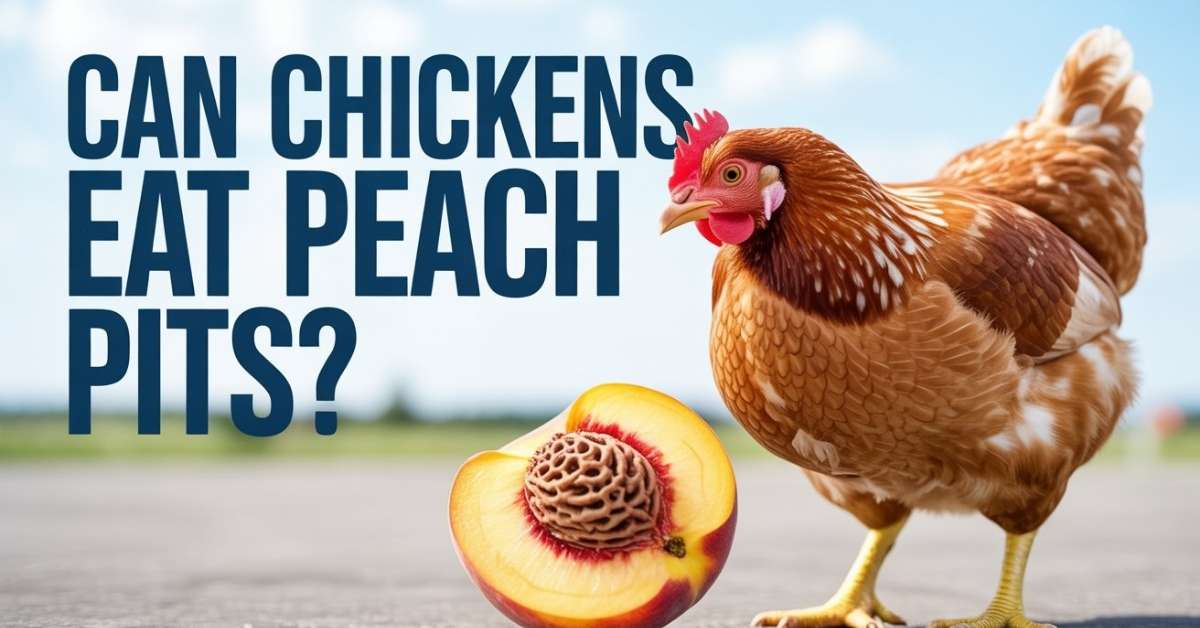
Can chickens eat peach pits? No, chickens should not eat peach pits because peach pits contain cyanogenic compounds that can release hydrogen cyanide when crushed or digested. While the flesh of fresh peaches is generally safe for backyard chickens in moderation, the pit and seed inside the peach should always be removed before feeding peaches to your flock.
Many chicken owners enjoy sharing fruits with their backyard flock because fruits provide hydration, vitamins, antioxidants, and healthy enrichment. However, stone fruits like peaches come with important safety concerns that many poultry keepers overlook. Peach pits are not only toxic due to compounds like amygdalin, but they also create choking hazards and digestive obstruction risks for chickens.
This complete guide explains why peach pits are dangerous for chickens, how to feed peaches safely, symptoms of cyanide poisoning, emergency care tips, and the safest fruits for backyard poultry.
Are Peach Pits Safe for Chickens?
No, peach pits are not safe for chickens. The biggest concern involves toxic compounds found inside the pit and seed.
Unlike peach flesh, which contains beneficial nutrients, peach pits contain naturally occurring cyanogenic compounds that may release cyanide during digestion or crushing.
Backyard chickens should never intentionally be fed:
- peach pits
- peach kernels
- crushed peach seeds
- broken peach stones
Are Peach Pits Poisonous to Chickens?
Yes, peach pits can be poisonous to chickens because they contain:
- amygdalin
- cyanogenic compounds
- toxic seed compounds
When damaged or crushed, these compounds can produce hydrogen cyanide, which interferes with oxygen use inside the body.
Although a chicken may not always show immediate poisoning after swallowing a whole pit, the risk remains serious enough that veterinarians and poultry experts strongly recommend avoiding peach pits completely.
What Are Cyanogenic Compounds?
Cyanogenic compounds are natural plant chemicals found in many stone fruit seeds and pits.
These include:
- peaches
- cherries
- apricots
- plums
- nectarines
The compound amygdalin breaks down into cyanide when the pit is damaged, chewed, or digested.
“Peach flesh is safe for chickens, but the pit should always be removed.”
Why Chickens Should Never Eat Peach Pits
Peach pits create several dangers at once:
- cyanide toxicity
- choking hazards
- digestive blockage
- crop obstruction
This combination makes peach pits one of the more dangerous fruit scraps for poultry.
Why Peach Pits Are Dangerous for Chickens
Peach pits are risky even when chickens appear interested in them.
Cyanide Poisoning Risks in Poultry
Hydrogen cyanide affects oxygen delivery in the body. In severe cases, poisoning may lead to:
- respiratory distress
- weakness
- collapse
- neurological symptoms
Small backyard flocks are especially vulnerable because chickens have relatively small digestive systems.
Cracked pits and crushed peach seeds are far more dangerous than intact pits because they release toxins more easily.
Choking Hazards and Crop Blockage
Peach pits are hard, large, and difficult for chickens to process.
Potential physical dangers include:
- throat obstruction
- choking
- crop blockage
- digestive obstruction
Smaller birds and young chickens face even higher risks.
Cracked vs Whole Peach Pits
A whole peach pit may sometimes pass through the digestive tract without releasing large amounts of cyanide, but that does not make it safe.
Cracked pits are significantly more dangerous because the inner kernel becomes exposed.
| Peach Pit Type | Risk Level |
|---|---|
| Whole intact pit | Dangerous |
| Cracked pit | Very dangerous |
| Crushed seed/kernel | Highest toxicity risk |
Can Chickens Grind Peach Pits in the Gizzard?
A chicken’s gizzard helps grind food using grit and muscular action. However, peach pits are extremely hard and may:
- resist grinding
- become lodged
- damage digestion
Even if partially broken in the gizzard, cyanide exposure becomes more likely.
Can Chickens Eat Peaches Safely?
Yes, chickens can safely eat peach flesh in moderation when pits are removed completely.
Is Peach Flesh Safe for Chickens?
Fresh peach flesh is generally safe and provides:
- hydration
- vitamins
- antioxidants
- natural fruit sugars
Peaches can serve as healthy summer treats for backyard flocks.
Can Chickens Eat Peach Skin?
Yes, peach skin is usually safe if washed properly.
Always rinse peaches to remove:
- pesticides
- dirt
- chemical residue
Organic peaches are the safest option whenever possible.
Can Chickens Eat Canned Peaches?
Canned peaches are less ideal because they often contain:
- preservatives
- excess sugar
- sodium benzoate
- citric acid
- processed syrups
Fresh peaches are much healthier for chickens than canned fruit products.
Can Chickens Eat Fallen Peaches?
Fallen peaches can become dangerous if they are:
- moldy
- fermented
- spoiled
- infested with insects
Fermented fruit may create alcohol exposure risks for poultry.
Always inspect fruit carefully before feeding.
Nutritional Benefits of Peaches for Chickens
While peach pits are unsafe, peach flesh offers several nutritional benefits.
Vitamins and Minerals in Peaches
Peaches contain helpful nutrients that support flock health.
| Nutrient | Potential Benefit |
|---|---|
| Vitamin A | Vision and feather health |
| Vitamin C | Immune support |
| Potassium | Muscle and nerve support |
| Antioxidants | Cellular protection |
| Water content | Hydration support |
These nutrients make peaches a refreshing occasional treat.
Hydration Benefits of Fresh Peaches
Fresh peaches are water-rich fruits that may help chickens stay hydrated during hot weather.
Summer fruit treats can encourage:
- better hydration
- enrichment
- natural pecking activity
Are Peaches Healthy for Backyard Flocks?
Yes, peaches can be healthy in moderation.
However, fruits should remain supplemental treats rather than replacing:
- balanced poultry feed
- protein sources
- calcium-rich feed
The healthiest flocks still rely primarily on complete poultry nutrition.
Symptoms of Cyanide Poisoning in Chickens
Understanding toxicity symptoms is extremely important.
Early Signs of Toxicity
Possible early symptoms include:
- weakness
- lethargy
- reduced appetite
- breathing difficulty
Symptoms may appear quickly after consuming damaged pits or seeds.
Severe Poisoning Symptoms
More serious cyanide poisoning symptoms may include:
- tremors
- collapse
- severe respiratory distress
- loss of coordination
Immediate veterinary care is critical if severe symptoms develop.
When to Contact a Veterinarian
Seek emergency poultry care if a chicken shows:
- breathing problems
- inability to swallow
- swollen crop
- neurological symptoms
- sudden collapse
Fast action improves survival chances.
What to Do if a Chicken Eats a Peach Pit
Accidental ingestion sometimes happens in free-range environments.
Immediate Steps to Take
If a chicken eats a peach pit:
- Remove remaining pits immediately
- Monitor behavior carefully
- Watch for choking signs
- Check droppings and appetite
Do not panic, but monitor the bird closely.
Signs of Digestive Obstruction
Digestive blockage symptoms may include:
- swollen crop
- reduced eating
- discomfort
- difficulty swallowing
- unusual droppings
Large pits can become physically lodged inside the digestive tract.
Veterinary Treatment and Emergency Care
A veterinarian may:
- assess obstruction risks
- monitor toxicity symptoms
- recommend supportive care
- provide emergency treatment
Professional help is especially important for small breeds or chicks.
Safe Fruit Feeding Practices for Chickens
Good feeding habits reduce risks significantly.
How to Prepare Peaches Safely
Before feeding peaches:
- Remove pits completely
- Wash fruit thoroughly
- Cut peaches into bite-sized pieces
- Serve fresh fruit only
Pit-free peach slices are safest.
How Much Peach Can Chickens Eat?
Peaches should only be occasional treats.
Most experts recommend:
- 90% balanced poultry feed
- 10% treats and scraps
| Food Type | Recommended Percentage |
|---|---|
| Poultry feed | 90% |
| Fruits and treats | 10% |
Too much fruit may cause digestive imbalance due to sugar content.
Fresh Fruit vs Processed Fruit
Fresh fruit is safer because processed fruit often contains:
- preservatives
- artificial sweeteners
- excess sugars
- additives
Natural fruit treats are always preferable.
Stone Fruit Pits Chickens Should Avoid
Peach pits are not the only dangerous fruit pits.
Cherry Pits
Cherry pits contain cyanogenic compounds similar to peach pits.
Apricot Pits
Apricot kernels are highly toxic due to amygdalin concentration.
Plum Pits
Plum pits create both toxicity and choking risks.
Nectarine Pits
Nectarines belong to the same stone fruit family and carry similar dangers.
Apple Seeds and Other Toxic Seeds
Apple seeds also contain small amounts of cyanogenic compounds.
Although tiny accidental exposures may not always cause poisoning, intentional feeding should be avoided.
Safe Fruits Chickens Can Eat
Many fruits are perfectly safe when prepared correctly.
Best Fruits for Backyard Chickens
| Safe Fruit | Main Benefit |
|---|---|
| Watermelon | Hydration |
| Blueberries | Antioxidants |
| Strawberries | Vitamin C |
| Apples without seeds | Fiber |
| Bananas | Potassium |
These fruits provide healthier alternatives to risky stone fruit pits.
Fruits Chickens Should Eat in Moderation
Some fruits contain higher sugar levels and should remain occasional treats:
- grapes
- bananas
- mangoes
Moderation supports healthier poultry digestion.
Toxic Fruits and Seeds for Poultry
Avoid feeding:
- avocado
- moldy fruit
- peach pits
- cherry pits
- spoiled fruit scraps
Toxic foods should never remain accessible inside chicken runs.
Can Baby Chicks Eat Peaches?
Baby chicks require extra caution with treats.
Are Peaches Safe for Young Chicks?
Tiny amounts of pit-free peach flesh may be safe occasionally, but chicks should mainly eat starter feed.
Why Peach Pits Are Especially Dangerous for Chicks
Chicks face:
- smaller throat size
- weaker digestion
- higher choking risk
Even small fragments of pits can become dangerous.
Common Mistakes Chicken Owners Make With Fruit
Many poultry keepers accidentally create unnecessary risks.
Feeding Whole Peaches With Pits
This is one of the most dangerous mistakes.
Ignoring Cyanide Risks
Some owners underestimate the toxicity of stone fruit seeds.
Feeding Moldy or Fermented Fruit
Spoiled fruit can cause digestive illness and toxin exposure.
Overfeeding Sugary Fruits
Too much fruit sugar may disrupt balanced poultry nutrition.
Replacing Balanced Feed With Treats
Fruit should supplement nutrition—not replace commercial poultry feed.
LEARN MORE: Can Chickens Eat Pizza Crust?
Expert Tips for Feeding Fruit to Backyard Chickens
Simple practices help keep flocks healthy.
Build a Balanced Chicken Diet
Healthy chickens require:
- balanced poultry feed
- protein
- calcium
- vitamins
- minerals
Use Fruit as Occasional Treats
Fresh fruit should remain occasional enrichment.
Encourage Safe Free-Range Feeding
Remove fallen stone fruits and pits from free-range areas whenever possible.
Monitor Chickens After New Foods
Whenever introducing new foods:
- observe droppings
- monitor activity
- check appetite
- watch for digestive changes
Each flock responds differently.
Case Study: Free-Range Chickens and Fallen Peaches
One backyard flock owner allowed chickens to roam beneath peach trees during summer.
The chickens safely consumed fallen peach flesh, but several birds began pecking at cracked pits left on the ground. The owner quickly removed remaining pits after learning about cyanide risks associated with stone fruits.
No poisoning occurred, but the experience highlighted the importance of:
- pit removal
- safe fruit preparation
- pasture monitoring
This is a common issue for free-range backyard flocks near fruit trees.
Frequently Asked Questions
Can chickens eat peach pits?
No, chickens should never intentionally eat peach pits because they contain cyanogenic compounds.
Are peach pits poisonous to chickens?
Yes, peach pits may release hydrogen cyanide when crushed or digested.
Can chickens eat peaches safely?
Yes, fresh pit-free peach flesh is generally safe in moderation.
Do peach pits contain cyanide?
Yes, peach pits contain amygdalin, which can produce cyanide compounds.
Can chickens choke on peach pits?
Yes, peach pits create serious choking and crop blockage risks.
What happens if chickens eat peach pits?
Chickens may experience choking, digestive obstruction, or cyanide toxicity depending on exposure.
Can chickens eat peach flesh?
Yes, peach flesh is usually safe when pits are removed.
Can chickens eat canned peaches?
Fresh peaches are safer because canned peaches often contain preservatives and added sugar.
Are peach pits worse than apple seeds?
Peach pits are generally considered more dangerous because of their larger size and higher choking risk.
What fruits are toxic to chickens?
Avoid avocado, moldy fruit, and toxic stone fruit pits.
Conclusion
Can chickens eat peach pits? No, peach pits are unsafe for chickens because they contain cyanogenic compounds capable of releasing hydrogen cyanide. Peach pits also create choking hazards, crop blockage risks, and digestive obstruction concerns for backyard poultry.
The safest approach is to:
- remove pits completely
- feed only fresh peach flesh
- avoid moldy fruit
- serve fruit in moderation
Healthy backyard chickens thrive best on balanced poultry feed supported by occasional safe fruit treats. With proper preparation and awareness, peaches can remain a healthy summer snack without exposing your flock to dangerous stone fruit toxicity.