
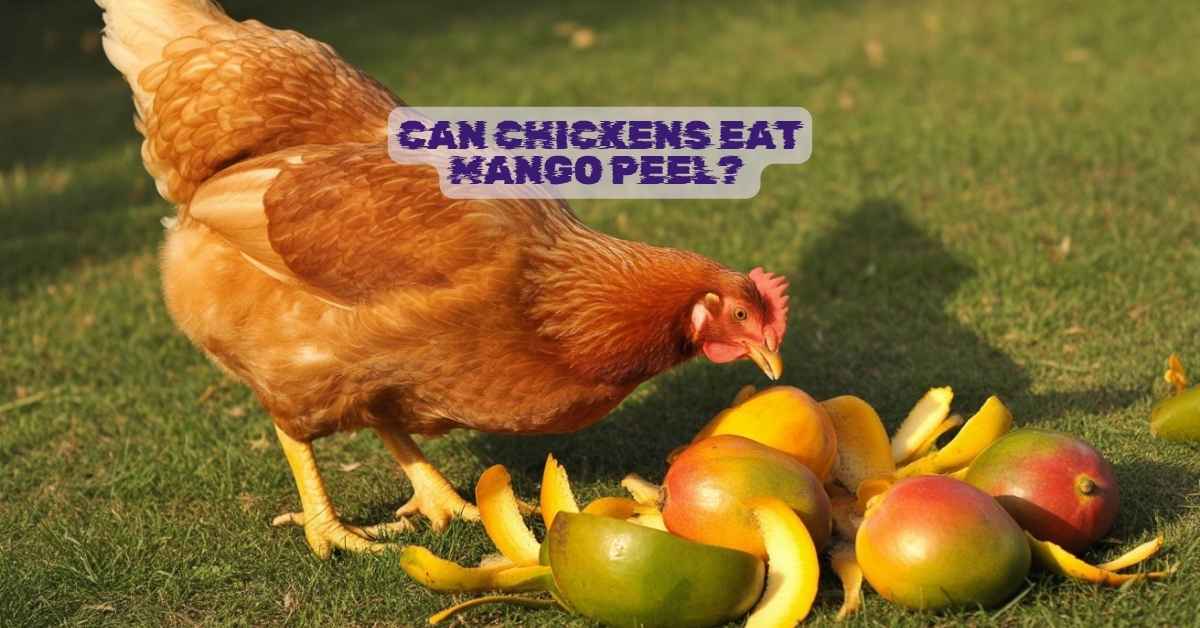
Can chickens eat mango peel? Yes—chickens can eat mango peel, but it should be washed thoroughly, cut into small pieces, and fed in moderation. Mango peel is not toxic, yet it is tough, fibrous, and can carry pesticide residue, which makes proper preparation essential.
When handled correctly, mango peel can be an occasional treat, but it should never replace a balanced poultry diet.
If you keep backyard chickens, this guide explains mango peel safety, digestion, risks, portion control, and best feeding practices so you can make informed decisions.
Is Mango Peel Safe for Chickens?
Mango peel, also called mango skin, is technically safe for chickens. It contains fiber, antioxidants, and vitamins, which are beneficial in small amounts. However, “safe” does not always mean “ideal.”
Key Safety Insight
- Mango peel is not poisonous
- It is harder to digest than mango flesh
- It may contain chemical residues if not washed
👉 This makes mango peel a low-priority treat, not a staple food.
Why Mango Peel Can Be Risky
Even though mango peel is safe, several factors make it less suitable compared to other fruits.
Main Concerns
- Tough texture makes chewing difficult
- High fiber density can strain digestion
- Pesticide residue may remain on unwashed peel
- Slightly bitter taste, reducing palatability
“Not all safe foods are equally beneficial—texture and digestibility matter just as much as toxicity.”
👉 These factors explain why chickens often prefer the soft mango flesh over the peel.
What Is in Mango Peel? (Nutritional Insight)
Mango peel contains several nutrients, but also compounds that require caution.
Nutritional Components
| Nutrient | Amount (Per 100g) |
|---|---|
| Sugar | ~13–14g |
| Fiber | ~1.5–2g |
| Calories | ~60–65 kcal |
| Water | ~80–83% |
| Vitamin C | ~35–40 mg |
| Vitamin A | ~50–60 µg |
Additional Compounds
- Antioxidants
- Plant polyphenols
- Trace amounts of urushiol-like compounds (can irritate skin/digestion in some animals)
👉 While these nutrients are beneficial, the fiber and texture limit how much peel chickens can handle.
Mango Peel vs Mango Flesh (Critical Comparison)
Understanding the difference helps you feed safely.
| Feature | Mango Peel | Mango Flesh |
|---|---|---|
| Texture | Tough | Soft |
| Digestibility | Low–Medium | High |
| Taste | Slightly bitter | Sweet |
| Safety | ⚠️ Moderate | ✅ High |
| Feeding Recommendation | Limited | Preferred |
👉 Mango flesh is clearly the better option, while peel should remain occasional.
Can Chickens Digest Mango Peel?
Chickens have a unique digestive system that includes a gizzard, which helps grind food. This allows them to process tougher materials like seeds and fiber.
Digestive Reality
- Chickens can digest mango peel
- However, digestion is slower and less efficient
- Excess fiber can cause digestive discomfort
👉 Mango peel is digestible, but not as easily as softer foods.
How to Feed Mango Peel to Chickens Safely
Proper preparation is what determines whether mango peel becomes a safe treat or a potential problem.
Preparation Method
- Wash thoroughly to remove pesticide residue
- Cut into small, bite-sized pieces
- Remove any spoiled or damaged sections
Serving Approach
- Mix with regular feed
- Offer in small amounts
- Avoid large chunks
👉 Preparation reduces choking risk and chemical exposure.
How Much Mango Peel Can Chickens Eat?
Moderation is the key to safe feeding.
Feeding Guidelines
| Factor | Recommendation |
|---|---|
| Portion size | 1–2 small pieces per chicken |
| Frequency | 1–2 times per week |
| Diet ratio | 10% treats / 90% poultry feed |
Why Limits Matter
Mango contains natural sugars, which can lead to:
- Weight gain
- Digestive imbalance
- Reduced egg production
👉 Even healthy fruits should be treated as supplements, not staples.
Nutritional Benefits of Mango for Chickens
While mango peel has limitations, mango as a whole fruit offers benefits.
Key Benefits
- Hydration due to high water content
- Vitamin support (A, C, E, K)
- Energy boost from natural sugars
- Antioxidant protection
👉 These benefits are strongest in the flesh, not the peel.
Risks of Feeding Mango Peel to Chickens
Even safe foods can create problems when misused.
Main Risks
- Digestive difficulty due to fiber
- Choking hazard from large pieces
- Pesticide exposure
- Overfeeding sugar
👉 Most risks come from improper preparation or overfeeding.
Do Mango Peels Contain Pesticides?
Yes—this is one of the biggest concerns.
Important Facts
- Mango peel often carries pesticide residue
- Chemicals can remain even after harvesting
- Washing significantly reduces risk
Best Practice
- Always wash thoroughly
- Use organic mangoes when possible
👉 This step is non-negotiable for safe feeding.
Why Chickens May Avoid Mango Peel
Chickens are selective eaters.
Behavioral Insight
- Prefer soft, sweet foods
- Avoid tough or bitter textures
- May ignore peel entirely
👉 This natural behavior actually helps reduce risk.
Can Baby Chicks Eat Mango Peel?
Mango peel is not suitable for chicks.
Reasons
- Smaller size increases choking risk
- Immature digestion
- Need for high-protein starter feed
👉 Wait until chickens are older before introducing fruit treats.
Common Mistakes When Feeding Mango to Chickens
Many issues arise from simple mistakes.
Common Errors
- Feeding unwashed peel
- Giving large chunks
- Overfeeding fruit
- Ignoring peel vs flesh differences
👉 Avoiding these mistakes ensures safe and effective feeding.
Best Fruits for Chickens (Better Alternatives)
If you want safer options, choose fruits that are easier to digest.
Recommended Fruits
- Apples (without seeds)
- Berries
- Watermelon
- Bananas
These are:
- Softer
- Easier to digest
- More widely accepted by chickens
Seasonal Feeding Tips for Fruits
Summer Feeding
- Mango provides hydration
- Helps reduce heat stress
Winter Feeding
- Limit sugary fruits
- Focus on balanced nutrition
👉 Adjust feeding based on seasonal needs.
LEARN MORE: Can Chickens Eat Grapes With Seeds?
Expert Tips for a Balanced Chicken Diet
A healthy chicken diet follows a simple structure:
- 90% complete poultry feed
- 10% treats (including fruits)
- Continuous access to clean water
Expert Quote
“Treats should support nutrition—not replace it.”
Should You Remove Mango Peel Before Feeding?
This is one of the most common questions.
Practical Answer
- Removing peel is optional
- Recommended if:
- You want easier digestion
- You’re feeding frequently
👉 For best results, prioritize mango flesh over peel.
Is Mango Peel Better Cooked or Raw?
Cooking can slightly soften the peel, but it is not necessary.
Comparison
| Form | Safety | Digestibility |
|---|---|---|
| Raw peel | Safe | Moderate |
| Softened peel | Safe | Improved |
👉 Softening can help, but cutting into small pieces is usually enough.
Can Mango Peel Affect Egg Production?
Yes—if overfed.
Impact of Excess Sugar
- Reduced egg production
- Weight gain
- Nutritional imbalance
👉 Moderation ensures consistent egg quality.
Safe Feeding Chart for Chickens
| Food Type | Safe | Risk | Notes |
|---|---|---|---|
| Mango peel | ⚠️ | Medium | Wash + chop |
| Mango flesh | ✅ | Low | Preferred |
| Whole mango | ⚠️ | Medium | Cut required |
Can Chickens Eat Fruit Scraps Safely?
Yes—but only safe, clean scraps.
Safe Options
- Vegetable peels (non-toxic)
- Fruit leftovers
- Leafy greens
👉 Always verify safety before feeding.
FAQs About Mango Peel and Chickens
Can chickens eat mango peel safely?
Yes, when washed and cut into small pieces.
Is mango peel toxic to chickens?
No, it is not toxic.
Can chickens digest mango peel?
Yes, but it is harder to digest than flesh.
Should you peel mango for chickens?
It is optional, but recommended for easier digestion.
How much mango can chickens eat?
1–2 small pieces per chicken, 1–2 times per week.
Final Verdict
Mango peel is safe but not ideal for chickens.
To feed it properly:
- Wash thoroughly
- Cut into small pieces
- Feed in moderation
- Prefer mango flesh when possible
When handled correctly, mango peel can provide:
- Fiber
- Vitamins
- Variety
When misused, it can cause:
- Digestive issues
- Choking
- Chemical exposure
👉 The simple rule: Safe in small amounts, but better alternatives exist.