
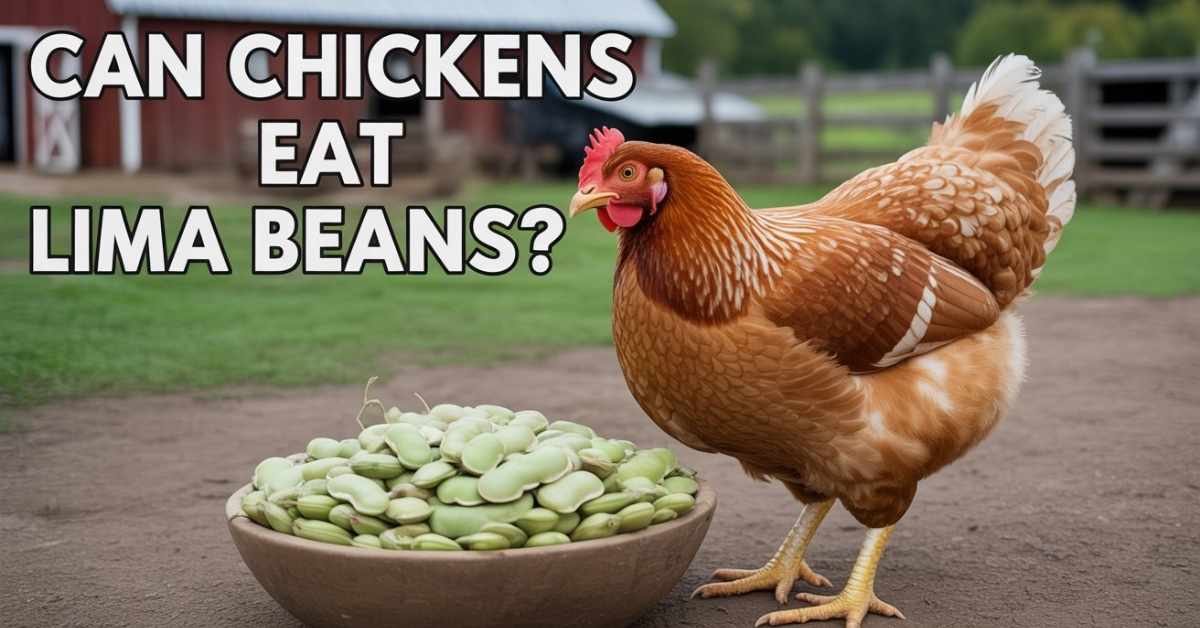
Can chickens eat lima beans? Yes, chickens can eat lima beans only when they are fully cooked. Raw or undercooked lima beans are dangerous for backyard chickens because they contain cyanogenic glycosides, lectins, and other toxic compounds that may release hydrogen cyanide during digestion. Properly boiled lima beans, however, can become a safe occasional treat packed with protein, fiber, iron, and potassium.
Many poultry owners assume all legumes are healthy because beans are nutritious for humans. Unfortunately, raw lima beans and other dried legumes can create serious poultry toxicity risks when fed incorrectly. Understanding the difference between raw vs cooked lima beans is essential for keeping your backyard flock healthy and safe.
Quick Answer: Can Chickens Eat Lima Beans?
Here’s the short answer:
| Type of Lima Bean | Safe for Chickens? | Notes |
|---|---|---|
| Raw lima beans | ❌ No | Toxic compounds present |
| Undercooked lima beans | ❌ No | Still risky |
| Fully cooked lima beans | ✅ Yes | Safe in moderation |
| Canned lima beans | ✅ Usually | Rinse before feeding |
| Frozen lima beans | ✅ After cooking | Must still be cooked |
Raw lima beans contain harmful compounds that can irritate poultry digestion and potentially cause poisoning symptoms. Fully cooked lima beans are much safer because boiling reduces dangerous toxins and anti nutritional compounds.
Why Raw Lima Beans Are Dangerous for Chickens
Raw lima beans are considered one of the more dangerous legumes for poultry because they contain naturally occurring toxins.
What Are Cyanogenic Glycosides?
Cyanogenic glycosides are natural plant compounds found in raw lima beans. During digestion, these compounds can release:
\mathrm{HCN}
which represents hydrogen cyanide.
Hydrogen cyanide interferes with oxygen use inside the body and may contribute to serious health issues in poultry if large amounts are consumed.
The Role of Lectins in Bean Toxicity
Raw lima beans also contain:
- lectins
- toxic proteins
- anti nutritional compounds
These substances may cause:
- digestive distress
- diarrhea
- lethargy
- weakness
- appetite loss
Backyard chickens have sensitive digestive systems compared to humans, so improperly prepared legumes can become dangerous quickly.
Why Undercooked Lima Beans Are Still Unsafe
One of the biggest mistakes poultry owners make is partially cooking beans.
Temperatures below:
80^{\circ}C
may fail to neutralize harmful compounds completely.
In some cases, undercooked beans may remain toxic even after heating. That is why proper boiling is critical for poultry-safe feeding.
Slow cookers can also be risky because they sometimes do not maintain high enough temperatures to destroy toxic compounds effectively.
“The difference between safe and unsafe lima beans comes down to preparation.”
Can Chickens Eat Cooked Lima Beans?
Yes, chickens can safely eat fully cooked lima beans in moderation.
Cooking significantly reduces toxic compounds and makes the beans easier for chickens to digest.
Why Fully Cooked Lima Beans Are Safer
Proper boiling helps neutralize:
- cyanogenic compounds
- lectins
- digestive irritants
Once fully cooked, lima beans become a safer source of:
- protein
- fiber
- iron
- potassium
- magnesium
Nutritional Benefits of Cooked Lima Beans
| Nutrient | Benefit for Chickens |
|---|---|
| Protein | Supports feather growth and muscle health |
| Fiber | Helps digestive balance in moderation |
| Iron | Supports healthy circulation |
| Potassium | Supports muscle and nerve function |
| Magnesium | Important for metabolism |
Cooked legumes can work as an occasional protein-rich treat for laying hens and backyard flocks.
How to Properly Prepare Lima Beans for Chickens
Safe preparation is the most important part of feeding lima beans to poultry.
Step-by-Step Safe Cooking Process
- Wash and sort the lima beans
- Soak them overnight or for at least 5 hours
- Discard the soaking water
- Boil the beans at:
100^{\circ}C
- Continue boiling for:
10\text{–}30\ \mathrm{minutes}
- Cook until the beans become soft
- Allow them to cool completely before feeding
Why Soaking Matters
Soaking beans:
- reduces anti nutrients
- improves digestibility
- shortens cooking time
Discarding the soaking water also helps remove some unwanted compounds.
Why Boiling Is Better Than Slow Cooking
Slow cookers may not reach consistent temperatures high enough to neutralize toxins fully. Boiling is safer and more reliable for poultry feeding.
Can Chickens Eat Canned Lima Beans?
Yes, canned lima beans are generally safer because they are already cooked during processing.
Still, there are a few important precautions.
Why You Should Rinse Canned Beans
Canned beans often contain:
- sodium
- preservatives
- seasoning
Rinsing canned lima beans under water helps reduce excess salt and makes them safer for chickens.
Low-Sodium Canned Beans Are Better
Choose:
- low sodium canned lima beans
- plain varieties
- unseasoned options
Avoid heavily seasoned or spicy canned foods.
Can Chickens Eat Frozen Lima Beans?
Frozen lima beans are often partially processed before freezing, but they still need proper cooking.
Frozen vs Dried Lima Beans
| Bean Type | Cooking Required? |
|---|---|
| Frozen lima beans | Yes |
| Dried lima beans | Yes |
| Canned lima beans | Usually already cooked |
The Frozen beans should always be fully boiled before feeding them to backyard chickens.
Can Baby Chicks Eat Lima Beans?
Baby chicks are much more sensitive to food toxins than adult chickens.
Even cooked legumes may be difficult for young chicks to digest properly.
Better Alternatives for Chicks
Safer foods for baby chicks include:
- chick starter feed
- cooked oats
- scrambled eggs
- finely chopped vegetables
Avoid experimenting with beans until chicks mature.
Symptoms of Lima Bean Poisoning in Chickens
If chickens accidentally consume raw lima beans, symptoms may appear within hours.
Common Signs of Toxicity
| Symptom | Severity |
|---|---|
| Lethargy | Common |
| Diarrhea | Common |
| Weakness | Moderate |
| Appetite loss | Moderate |
| Dehydration | Serious |
| Digestive distress | Serious |
What To Do If Chickens Eat Raw Lima Beans
If your flock eats raw beans:
- Remove all remaining beans immediately
- Provide fresh clean water
- Observe birds closely
- Contact a poultry veterinarian if symptoms worsen
Quick action may reduce complications.
How Much Lima Beans Can Chickens Eat?
Lima beans should only be occasional treats.
A good poultry feeding rule is:
\text{Treats} < 10%\ \text{of total diet}
Too many treats may create nutritional imbalance and reduce proper feed intake.
Recommended Feeding Frequency
| Chicken Type | Suggested Amount |
|---|---|
| Adult chickens | Small portions occasionally |
| Laying hens | Once or twice weekly |
| Baby chicks | Avoid lima beans |
Moderation helps maintain balanced poultry nutrition.
Are Lima Beans Better Than Other Beans for Chickens?
Different legumes affect poultry differently.
Comparing Common Beans for Chickens
| Bean Type | Safe When Cooked? | Dangerous Raw? |
|---|---|---|
| Lima beans | ✅ Yes | ✅ Yes |
| Kidney beans | ✅ Yes | ⚠ Highly toxic |
| Black beans | ✅ Yes | ⚠ Mild risk |
| Pinto beans | ✅ Yes | ⚠ Risky raw |
| Lentils | ✅ Yes | Safer overall |
Cooked legumes are generally safer than raw dried beans.
Foods Chickens Should Never Eat
Lima beans are not the only dangerous food for poultry.
Toxic Foods for Backyard Chickens
| Food | Risk |
|---|---|
| Raw lima beans | Cyanide compounds |
| Raw kidney beans | Toxic lectins |
| Chocolate | Theobromine toxicity |
| Avocado pits | Persin toxin |
| Moldy food | Mycotoxins |
| Green potato peels | Solanine toxicity |
Understanding poultry-safe foods helps prevent accidental poisoning.
Common Feeding Mistakes Chicken Owners Make
Many flock health issues begin with simple feeding errors.
Feeding Raw Beans Accidentally
Some owners assume all vegetables and legumes are safe. Raw beans are one of the biggest exceptions.
Giving Too Many Treats
Too many treats may cause:
- obesity
- reduced egg production
- poor nutritional balance
Ignoring Sodium in Canned Foods
Excess sodium may stress poultry digestion and hydration.
Scientific Explanation: Why Cooking Reduces Bean Toxicity
Heat changes the chemical structure of harmful compounds in lima beans.
How Cooking Reduces Cyanogenic Compounds
Boiling helps reduce:
- cyanogenic glycosides
- hydrogen cyanide release
- toxic proteins
Why Proper Temperatures Matter
Maintaining:
100^{\circ}C
is important for safer toxin reduction.
Proper cooking improves digestibility and lowers poultry toxicity risks significantly.
LEARN MORE: Can Chickens Eat Tomatoes?
Case Study: Backyard Flock Reaction to Raw Lima Beans
A backyard chicken owner accidentally spilled dried lima beans near a feeding area. Several hens consumed raw beans before the mistake was noticed.
Within several hours, the chickens showed:
- lethargy
- reduced appetite
- diarrhea
The owner quickly:
- removed the beans
- provided water
- isolated affected hens
- contacted a poultry veterinarian
Most birds recovered after supportive care and hydration.
This situation highlights why safe storage and preparation matter so much for backyard poultry.
Frequently Asked Questions
Can chickens eat raw lima beans?
No. Raw lima beans contain cyanogenic glycosides, lectins, and toxic compounds that may harm chickens.
Are cooked lima beans safe for chickens?
Yes, fully cooked lima beans are safer in moderation.
Can chickens eat butter beans?
Yes. Butter beans are mature lima beans and follow the same feeding guidelines.
Can chickens eat canned lima beans?
Usually yes, but rinsing canned beans helps reduce sodium and preservatives.
Are frozen lima beans safe for chickens?
Frozen beans should still be fully cooked before feeding.
Can baby chicks eat lima beans?
It is best to avoid lima beans for chicks because their digestive systems are more sensitive.
What beans are toxic to chickens?
Raw kidney beans, raw lima beans, and many undercooked dried beans can be harmful to poultry.
Conclusion
So, can chickens eat lima beans? Yes, but only when they are fully cooked. Raw or undercooked lima beans may contain dangerous compounds like cyanogenic glycosides, hydrogen cyanide, lectins, and other toxic proteins that can harm backyard chickens.
The safest approach is simple:
- soak the beans
- boil them thoroughly
- feed small portions
- avoid seasoning and excess sodium
When prepared correctly, cooked lima beans can become a healthy occasional treat that supports balanced poultry nutrition without risking your flock’s health.