
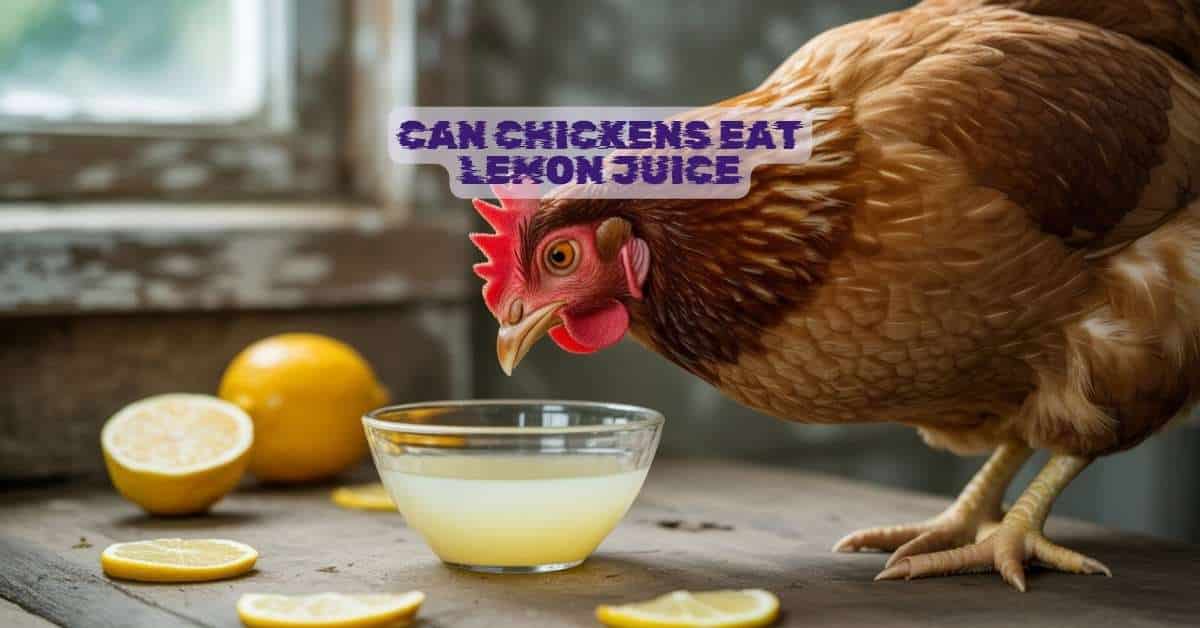
Can chickens eat lemon juice? Yes—but only when properly diluted and used occasionally. Lemon juice is not toxic, but its high acidity makes it unsuitable for regular feeding. In small, diluted amounts, chickens can tolerate it, yet most will avoid it due to the sour taste, and excessive use can affect digestion and overall health.
Can Chickens Eat Lemon Juice Safely?
Lemon juice sits in a category of foods that are technically safe but practically unnecessary. Chickens do not require citrus in their diet, and lemon juice provides limited nutritional benefit compared to other fruits.
A balanced poultry diet follows a clear structure:
| Diet Component | Ratio |
|---|---|
| Complete Feed | 90% |
| Treats | ≤10% |
Lemon juice should only be considered a rare addition, not a staple.
“Safe in small amounts does not mean beneficial for daily feeding.”
Can Chickens Drink Lemon Water?
This is one of the most common variations of the query.
Lemon Juice in Drinking Water
Many chicken keepers experiment with lemon water, adding small amounts of juice to drinking water. While this is generally safe when diluted, it must be handled carefully.
Do Chickens Actually Drink Lemon Water?
In most cases:
- Chickens prefer plain water
- They may ignore or avoid lemon-flavored water
Taste Preference and Behavior
Chickens rely heavily on taste:
- They avoid sour or acidic liquids
- They naturally choose neutral, clean water
How Much Lemon Juice Is Safe for Chickens?
Moderation and dilution are critical.
Recommended Dilution Ratio
Research and practical experience suggest:
- Around 0.3% lemon juice in water
Practical Mixing Guide
| Water Amount | Lemon Juice |
|---|---|
| 1 liter | A few drops |
| 5 liters | 1–2 teaspoons |
Feeding Frequency
- 1–2 times per week maximum
- Never replace daily water supply
What Happens If Chickens Drink Too Much Lemon Juice?
Immediate Effects (6–24 Hours)
- Reduced water intake
- Mild digestive sensitivity
Observation Period (24–48 Hours)
Monitor for:
- Changes in droppings
- Slight lethargy
Long-Term Effects (2–3 Weeks)
Excessive use may:
- Disrupt nutrient absorption
- Affect overall flock health
Is Lemon Juice Bad for Chickens?
Lemon juice is not inherently harmful, but its high citric acid content creates limitations.
Citric Acid and Poultry Digestion
Lemon juice contains:
- Approximately 5–8% citric acid
This can:
- Irritate the digestive system
- Alter gut balance
When Lemon Juice Becomes Harmful
Problems occur when:
- Used undiluted
- Given frequently
Does Lemon Juice Affect Egg Production?
This is a widely debated concern.
Calcium Absorption and Acidity
Excess acidity may:
- Interfere with calcium absorption
- Affect eggshell formation
Eggshell Quality Concerns
Over time (about 2–3 weeks of overuse):
- Eggshells may become thinner
- Egg production may decline slightly
Scientific Perspective
Small, diluted amounts:
- Are unlikely to cause harm
- But offer no proven benefit for egg production
Benefits of Lemon Juice for Chickens
Although limited, there are some potential benefits when used correctly.
Hydration Support
In hot conditions:
- Slightly flavored water may encourage drinking in some cases
Mild Antibacterial Properties
Citric acid can:
- Help reduce certain harmful bacteria
Gut Health Support
Low levels of acid:
- May support digestion under controlled conditions
Risks of Lemon Juice for Chickens
Overuse and Acidity
Too much lemon juice:
- Can irritate the digestive tract
Reduced Feed Intake
Chickens may:
- Eat less if uncomfortable
Nutritional Imbalance
Replacing proper feed or water:
- Leads to deficiencies
Lemon Juice vs Whole Lemon for Chickens
Comparison Table
| Form | Acidity | Preference | Feeding Recommendation |
|---|---|---|---|
| Lemon Juice | High | Low | Rare & diluted |
| Whole Lemon | Moderate | Avoided | Rare |
| Lemon Peel | Moderate | Avoided | Limited |
Key Insight
Lemon juice is:
- More concentrated and acidic than whole lemon
- Less suitable for chickens
Why Chickens Avoid Lemon Juice
Sour Taste Sensitivity
Chickens naturally:
- Reject sour flavors
Feeding Instincts
They rely on:
- Instinctive food selection
- Avoidance of unfamiliar or strong tastes
Water Preference Behavior
Clean water is:
- Always preferred
- Essential for health
Can Baby Chicks Drink Lemon Juice?
Age-Based Feeding Guidelines
| Age | Recommendation |
|---|---|
| 0–6 weeks | Avoid completely |
| 6–12 weeks | Very limited |
| Adults | Occasional diluted use |
Why Chicks Should Avoid Citrus Liquids
Young chickens:
- Have sensitive digestive systems
- Are more vulnerable to acidity
Common Mistakes When Giving Lemon Juice to Chickens
Using Undiluted Lemon Juice
This is the most serious mistake:
- High acidity can harm digestion
Overfeeding Citrus Water
Too frequent use:
- Leads to imbalance
Ignoring Chicken Behavior
If chickens refuse:
- Do not force consumption
Replacing Clean Water
Fresh water must always be:
- Available at all times
Expert Tips for Using Lemon Juice Safely
Always Dilute Properly
Use only:
- Light mixtures
Use Occasionally Only
Limit usage to:
- 1–2 times per week
Monitor Chicken Health
Watch for:
- Behavior changes
- Digestive signs
Prioritize Clean Water
Water should remain:
- Fresh and accessible
LEARN MORE: Can Chickens Eat Lemon Mint
Lemon Juice Feeding Chart
| Category | Amount | Frequency | Notes |
|---|---|---|---|
| Adult Chickens | Diluted (~0.3%) | 1–2x/week | Optional use |
| Flock | Minimal | Rare | Often avoided |
| Chicks | Avoid | Never | Sensitive digestion |
Lemon Juice vs Plain Water
Hydration Efficiency
Plain water:
- Provides optimal hydration
Taste Preference
Chickens:
- Strongly prefer neutral taste
Practical Feeding Advice
Lemon juice:
- Should never replace water
- Only used occasionally
FAQs
Can chickens drink lemon juice safely?
Yes, but only when diluted and used occasionally.
How much lemon juice can chickens have?
Very small amounts, around 0.3% dilution.
Is lemon water good for chickens?
It is safe in moderation but not necessary.
Does lemon juice affect egg production?
Only if overused; small amounts are unlikely to cause issues.
Why don’t chickens drink lemon water?
They dislike the sour taste.
Final Verdict: Should You Give Lemon Juice to Chickens?
Lemon juice is safe when diluted but not essential for chickens. While it won’t harm them in small amounts, it offers limited benefits and low acceptance.
The best approach is simple:
- Use lemon juice sparingly
- Always dilute properly
- Prioritize clean water and balanced feed
When you focus on natural feeding habits and proper nutrition, your chickens stay healthy, productive, and stress-free.