
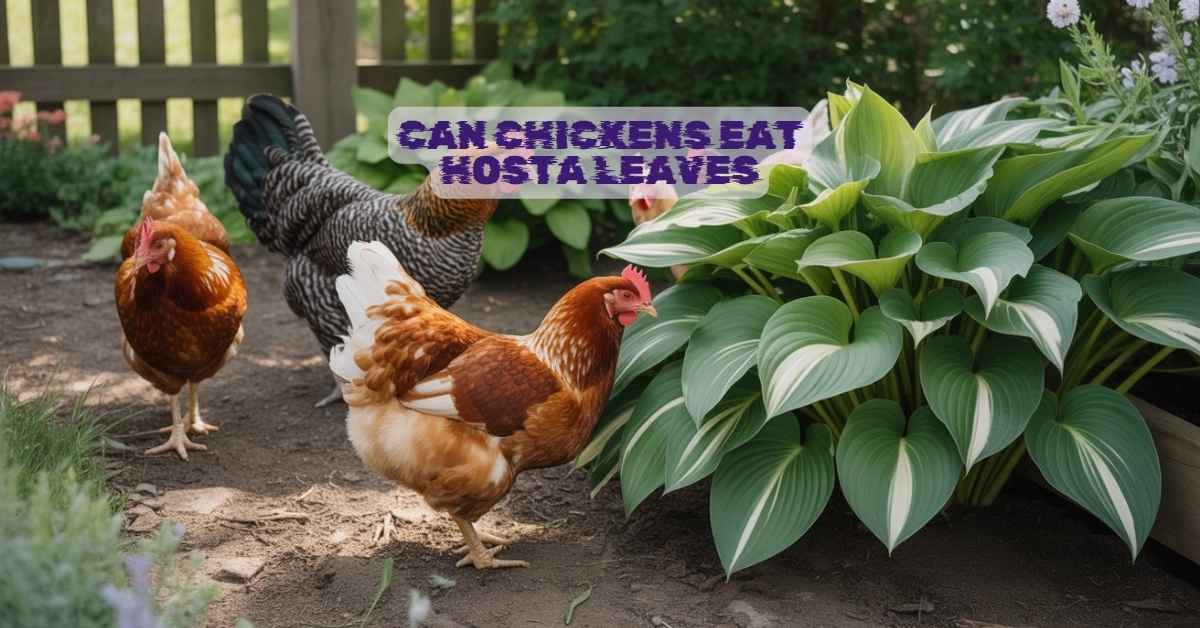
Can chickens eat hosta leaves? Yes—hosta leaves are generally safe and non-toxic for chickens, but they are not a good food source and should not be part of their regular diet.
Chickens may eat them out of curiosity or foraging behavior, but hostas offer low nutritional value and can lead to garden damage rather than health benefits.
Can Chickens Eat Hosta Leaves Safely?
Backyard chicken owners often worry about plant safety, especially when chickens roam freely in gardens. The good news is that hosta leaves fall into the category of non-toxic plants for chickens.
However, there’s an important distinction:
- Safe does not mean beneficial
- Chickens can eat hosta leaves, but they gain little nutritional value
Hostas are ornamental plants, not feed crops. So while chickens won’t typically suffer harm from eating them, relying on them as food is not ideal.
Why Chicken Owners Ask This Question
This question usually comes from real-life situations:
- Chickens pecking at garden plants
- Hostas getting damaged or eaten
- Concerns about toxicity
“If chickens are eating it, is it safe?” That’s the common assumption—but it’s not always accurate.
Are Hosta Leaves Toxic to Chickens?
Toxicity Comparison: Chickens vs Pets
Hosta plants contain compounds called saponins, which are:
- Toxic to dogs and cats
- Generally safe for chickens in small amounts
This difference is crucial. Chickens process plant compounds differently, making hostas low-risk but not entirely harmless if overeaten.
Plant Compounds Explained
Saponins can:
- Affect digestion in large quantities
- Cause mild irritation
For chickens, the impact is usually minimal because:
- They eat small amounts
- Their digestive system can tolerate certain plant compounds
Safety Conclusion
Hosta leaves are:
- Safe in small, occasional amounts
- Not recommended for regular feeding
- Better treated as a neutral plant, not food
Why Do Chickens Eat Hosta Plants?
Understanding behavior is key to solving the problem.
Natural Foraging Behavior
Chickens are natural foragers. They:
- Peck at plants
- Explore textures and tastes
- Eat based on curiosity
Soft Leaves and Easy Texture
Hostas are:
- Soft
- Moist
- Easy to tear
This makes them an attractive target compared to tougher plants.
Curiosity and Pecking Habits
Chickens don’t always eat for nutrition. Sometimes they:
- Peck out of boredom
- Investigate new objects
- Follow flock behavior
This explains why chickens eat hosta leaves even though they offer little value.
What Happens If Chickens Eat Hosta Leaves?
Immediate Effects (6–24 Hours)
In most cases:
- No serious symptoms
- Possibly mild digestive changes
Short-Term Effects (1–2 Days)
If chickens eat large amounts:
- Temporary digestive upset
- Slight reduction in appetite
Long-Term Risks
Repeated consumption may lead to:
- Nutritional imbalance
- Reduced intake of proper feed
Nutritional Value of Hosta Leaves for Chickens
This is where hostas fall short.
Low Nutritional Density
Hosta leaves contain:
- Minimal protein
- Low energy
- Limited vitamins
Compared to real chicken feed, they provide almost no dietary value.
Why Hostas Are Not Ideal Chicken Feed
A balanced chicken diet should include:
- Protein-rich feed
- Essential minerals
- Energy sources
Hostas do not meet these needs.
How Much Hosta Leaves Can Chickens Eat?
Moderation is essential.
Treat Rule (≤10% of Diet)
| Diet Component | Ratio |
|---|---|
| Complete Feed | 90% |
| Treats (including plants) | ≤10% |
Occasional vs Frequent Consumption
- Occasional pecking → safe
- Regular feeding → not recommended
Why Moderation Matters
Too many hosta leaves can:
- Replace nutritious food
- Lead to imbalance over 1–2 weeks
Will Chickens Destroy Hosta Plants?
This is the real concern for most owners.
Speed of Plant Damage
Chickens can:
- Start damaging plants within 24–48 hours
- Completely destroy hostas in 1–3 days
Impact of Flock Size
| Flock Size | Damage Level |
|---|---|
| 1–3 chickens | Mild |
| 4–6 chickens | Moderate |
| 7+ chickens | Severe |
Why Hostas Are a Favorite Target
Hostas are:
- Soft and juicy
- Easy to access
- Grown in clusters
This makes them highly vulnerable.
Should You Let Chickens Eat Hostas?
Safety vs Garden Damage
From a health perspective:
- Generally safe
From a garden perspective:
- Highly destructive
When It’s Okay
- Occasional pecking
- Limited access
When to Prevent Access
- If you want to protect your plants
- If chickens are eating them daily
How to Protect Your Hostas from Chickens
Fencing and Barriers
Simple fencing can:
- Prevent access
- Protect plant roots
Raised Garden Beds
Elevating plants:
- Reduces pecking
- Limits scratching damage
Controlled Free-Range Areas
Allow chickens to roam in:
- Designated zones
- Plant-safe areas
Plant Protection Strategies
Other methods include:
- Netting
- Mulching
- Strategic planting
Safe and Unsafe Plants for Chickens
Plant Safety Comparison
| Category | Examples |
|---|---|
| Safe | Lettuce, spinach, herbs |
| Neutral | Hostas |
| Toxic | Nightshade, foxglove |
Best Plants for Chicken-Friendly Gardens
Durable Plants Chickens Avoid
- Woody herbs
- Tough-leaf plants
Nutrient-Rich Plants for Chickens
- Pumpkin
- Kale
- Grasses
Designing a Chicken-Safe Garden
A good setup includes:
- Protected zones
- Safe plant varieties
- Rotational access
Common Mistakes Chicken Owners Make
Assuming All Plants Are Safe
Not all plants are harmless.
Ignoring Plant Damage Risk
Chickens can destroy plants quickly.
Allowing Unlimited Garden Access
This leads to:
- Overgrazing
- Soil damage
Not Managing Diet Properly
Chickens need:
- Balanced feed
- Controlled treats
LEARN MORE: Can Chickens Eat Cookies
Expert Tips for Managing Chickens in Gardens
Balance Free-Range and Protection
Let chickens roam—but control access.
Rotate Foraging Areas
This prevents:
- Overuse of one area
- Plant destruction
Provide Alternative Food Sources
Keep chickens occupied with:
- Healthy treats
- Proper feed
Monitor Plant Health
Regular checks help prevent:
- Severe damage
- Plant loss
Hosta Feeding & Safety Chart
| Category | Status | Notes |
|---|---|---|
| Hosta Leaves | ⚠️ Safe | Low nutrition |
| Large Intake | ❌ Not ideal | Digestive upset |
| Regular Feeding | ❌ Avoid | Imbalance risk |
Hosta Leaves vs Other Plants for Chickens
Nutritional Comparison
| Plant | Value |
|---|---|
| Hosta | Low |
| Greens | High |
| Grains | Moderate |
Health Impact Comparison
- Hostas: neutral
- Vegetables: beneficial
Best Choice for Chickens
Always choose nutrient-rich plants over ornamental ones
FAQs
Are hostas poisonous to chickens?
No, they are generally non-toxic in small amounts.
Do chickens eat hosta plants?
Yes, especially due to their soft texture.
Why are chickens eating my hostas?
Because of curiosity and easy access.
Can chickens eat garden plants safely?
Some plants are safe, but not all.
What plants should chickens avoid?
Avoid toxic plants like:
- Nightshade
- Foxglove
Final Verdict: Should Chickens Eat Hosta Leaves?
Hosta leaves are safe but not beneficial for chickens. While they won’t usually cause harm, they provide little to no nutritional value and can lead to garden damage if chickens have regular access.
The best approach is simple:
- Allow occasional exposure
- Avoid regular feeding
- Protect your plants
By focusing on balanced nutrition and smart garden management, you can keep both your chickens and your landscape healthy and thriving.