
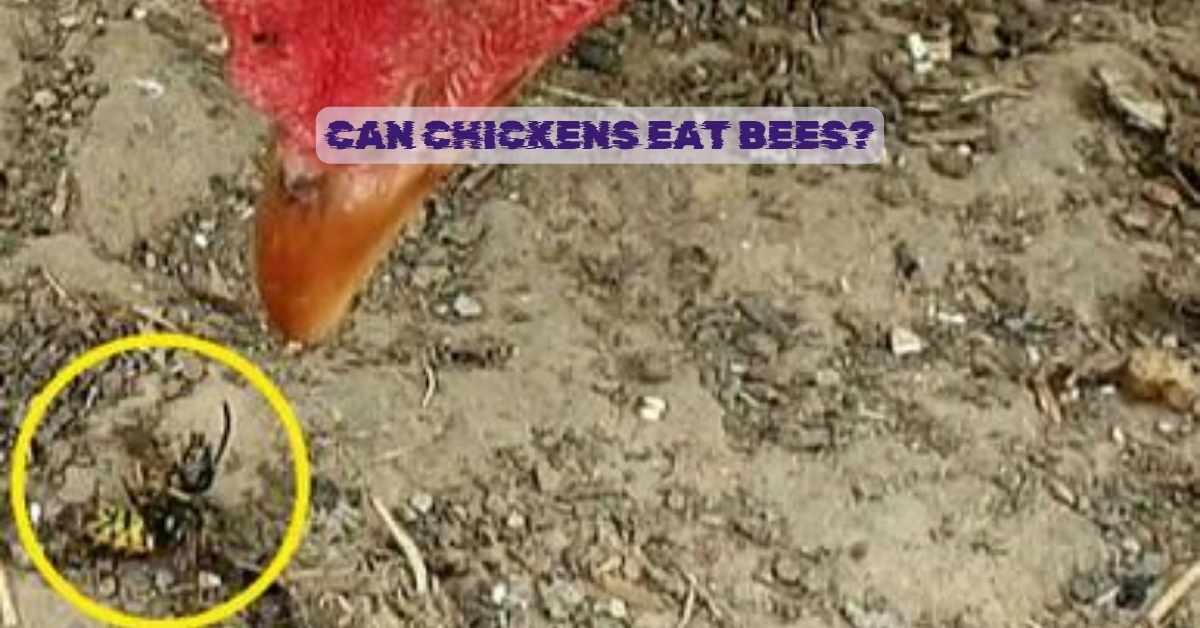
Can chickens eat bees? Yes—chickens can eat bees, and in most cases it’s generally safe because chickens are omnivorous birds that naturally eat insects.
However, there are important risks, especially related to bee stings, that every backyard poultry owner should understand before letting chickens forage freely near bees.
Do Chickens Naturally Eat Bees?
Chickens are opportunistic foragers. In a free-range environment, they spend 6–10 hours daily foraging, consuming a wide variety of food including seeds, greens, and 50–100 insects per day.
Chicken Foraging Behavior Explained
A chicken’s feeding pattern is driven by instinct. They use rapid pecking and quick reflexes—often catching prey within 1–2 seconds. Their diet naturally includes:
- Beetles
- Grasshoppers
- Worms
- Flies
- Occasionally, bees and other flying insects
This explains why many backyard owners observe chickens snapping bees mid-air.
Why Chickens Chase Flying Insects
Chickens are attracted to movement. A flying bee triggers their predator-prey response, leading to quick pursuit. This behavior is common in free-range chicken systems, where diet variation can reach 10–30% from insects alone.
Do Chickens Prefer Bees or Avoid Them?
Interestingly, chickens don’t specifically seek bees. They:
- Eat bees opportunistically
- Sometimes avoid stinging insects after a bad experience
- Learn through trial and error
Is It Safe for Chickens to Eat Bees?
Are Bees Toxic to Chickens?
No, bees are not toxic to chickens. Unlike poisonous insects, bees do not contain harmful toxins that affect a chicken’s digestive system. Once swallowed, a bee is processed through:
- Crop (storage)
- Proventriculus (glandular stomach)
- Gizzard (grinding organ)
This 2-part stomach system efficiently breaks down insects.
Can Chickens Eat Bees Without Getting Stung?
Most of the time, yes. Chickens often:
- Crush bees instantly with their beak
- Swallow quickly within 1–2 seconds
- Avoid triggering the sting mechanism
However, there is always a small risk.
What Happens When a Chicken Swallows a Bee?
In most cases:
- The bee is digested normally
- No harm occurs
But in rare scenarios:
- The bee may sting inside the mouth or throat
- This can cause swelling or irritation
What Happens If a Chicken Gets Stung by a Bee?
External Sting vs Internal Sting
- External sting: Usually mild, similar to a small irritation
- Internal sting: More serious, especially in the throat
Symptoms to Watch For
If a chicken is stung, watch for:
- Swelling around the beak
- Difficulty breathing
- Reduced activity
- Loss of appetite
Most cases resolve within 1–2 minutes, but monitoring is essential.
Rare but Serious Risks
Although extremely uncommon (<1% cases):
- Multiple stings (2–3 or more) may increase risk
- Throat swelling could affect breathing
Do Chickens Eat Wasps and Other Stinging Insects?
Chickens don’t differentiate much between insects.
Bees vs Wasps: Which Is More Dangerous?
- Bees: Sting once, then die
- Wasps: Can sting multiple times → more dangerous
Other Insects Chickens Commonly Eat
Chickens consume:
- Flies
- Ants
- Spiders
- Grasshoppers
- Larvae
This supports their role in natural pest control.
Nutritional Value of Bees for Chickens
Bees offer a small protein boost, but they are not essential.
| Nutrient Aspect | Value |
|---|---|
| Protein Source | Moderate |
| Fat Content | Low |
| Dietary Importance | Occasional |
| Daily Requirement | Met through feed |
A typical chicken consumes 120–150 grams of feed daily, so bees only contribute a minor supplement.
Do Chickens Need Insects to Stay Healthy?
Not necessarily. Commercial feed already provides:
- Balanced protein
- Essential nutrients
However, insects:
- Improve diet diversity
- Support natural behavior
When Eating Bees Becomes Dangerous
Multiple Stings Scenario
Eating 5–10 bees occasionally is normal, but:
- 2–3 stings in a short time can increase risk
- Repeated exposure should be avoided
Bees Near Active Hives
Chickens near hives face:
- Higher bee density
- Increased aggression
Maintain a 10–50 meter distance from beehives.
Seasonal Risks
Risk increases during:
- Spring (high bee activity)
- Summer (swarming season)
Swarming Behavior
Swarming bees are defensive. Chickens in such areas may:
- Be attacked
- Receive multiple stings
Can Bees Harm or Kill Chickens?
Realistic Risk vs Myth
There’s a common myth that bees can easily kill chickens.
Reality:
- A single sting causes minimal harm
- Multiple stings are required for serious impact
How Many Stings Are Dangerous?
While exact numbers vary:
- 1 sting: harmless
- 2–3 stings: mild risk
- Many stings: rare but potentially harmful
How to Protect Chickens from Bees
Safe Distance from Beehives
Keep chickens:
- At least 10–50 meters away from hives
Practical Prevention Tips
- Avoid placing coops near bee colonies
- Provide sufficient feed to reduce hunting
- Monitor free-range behavior
Should You Relocate Bees or Chickens?
In most cases:
- Relocation is unnecessary
- Simple distance management works effectively
Benefits of Chickens Eating Insects (Including Bees)
Despite risks, there are benefits.
Natural Pest Control
Chickens reduce insect populations, helping gardens.
Protein Intake
Insects act as natural protein sources.
Improved Behavior
Foraging keeps chickens:
- Active
- Mentally stimulated
Do Chickens Learn to Avoid Bees Over Time?
Yes. Chickens adapt quickly.
After a sting:
- They may become cautious
- Avoid similar insects
- Develop selective feeding behavior
This learning ability reduces long-term risk.
Can Baby Chickens (Chicks) Eat Bees?
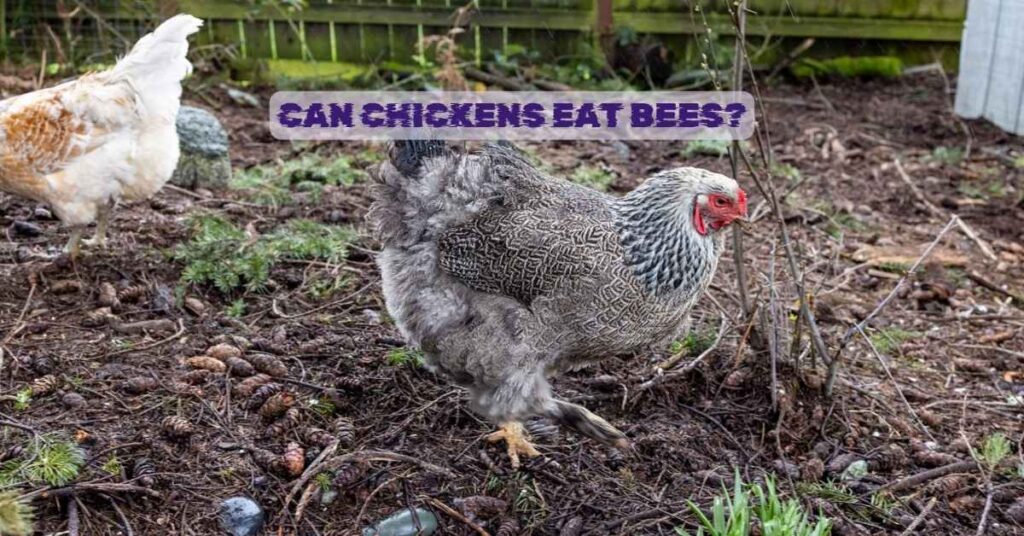
Chicks face higher risk.
Why Chicks Are More Vulnerable
- Smaller size
- Weaker immune response
- Less experience
Feeding Guidelines
Avoid exposing chicks to:
- Bees
- Wasps
- Stinging insects
Provide:
- Starter feed
- Controlled diet
LEARN MORE: Can Chickens Eat Jicama?
Bees vs Other Protein Sources for Chickens
| Source | Safety | Protein Level | Recommendation |
|---|---|---|---|
| Bees | Moderate | Low | Occasional |
| Mealworms | High | High | Best choice |
| Grasshoppers | High | Moderate | Good |
| Flies | Safe | Low | Common |
Mealworms remain the best controlled protein source.
Common Myths About Chickens and Bees
- “Chickens are immune to stings” → False
- “Bees are toxic” → False
- “Chickens avoid all insects” → False
Expert Tips for Backyard Chicken Owners
- Maintain a balanced poultry diet
- Allow controlled free-ranging
- Observe unusual behavior
- Avoid overexposure to bee-rich environments
FAQs
Can chickens eat bees safely?
Yes, but there is a small risk of stings.
Do chickens get stung by bees?
Occasionally, but most avoid or handle bees quickly.
Can chickens eat dead bees?
Yes, dead bees pose no sting risk.
Are bees dangerous to chickens?
Generally no, unless multiple stings occur.
Can chickens eat wasps?
Yes, but wasps are more dangerous than bees.
Final Verdict: Should Chickens Eat Bees?
Chickens can eat bees, and it is usually safe in small, occasional cases. However, the risk of bee stings, especially internal ones, means it should not be encouraged. With proper management—like maintaining distance from hives and ensuring a balanced diet—chickens can safely coexist with bees without issues.
“Chickens are natural foragers, and while eating bees is part of their instinct, smart management ensures safety.”