
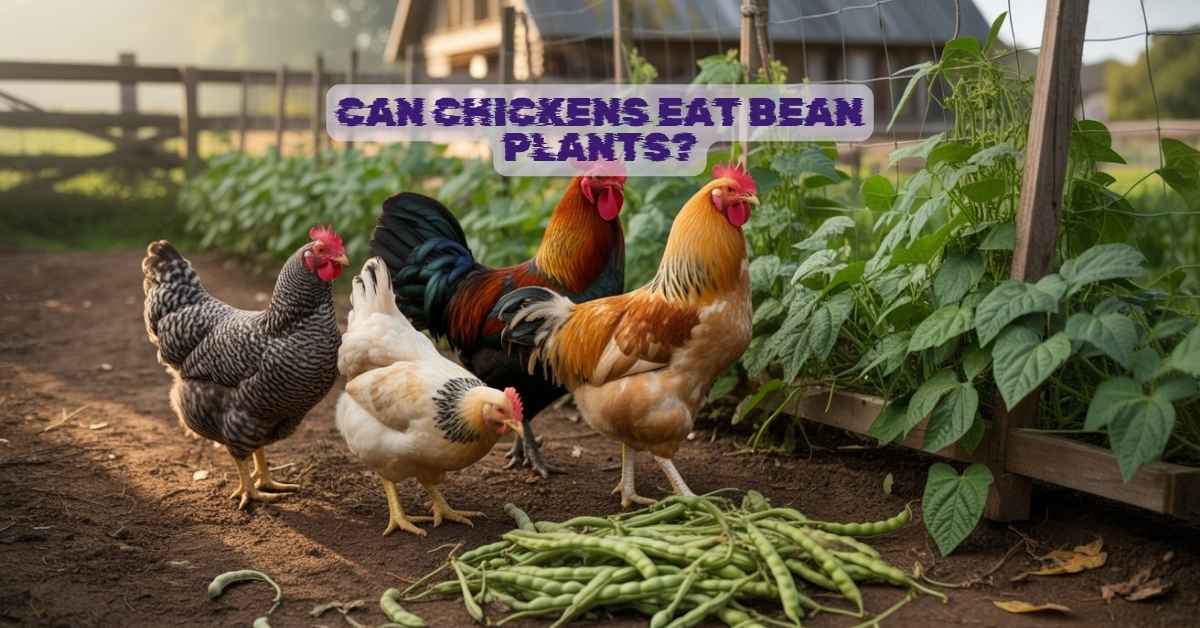
Can chickens eat bean plants? Yes—chickens can eat some parts of bean plants, but not all parts are safe. The biggest concern is raw beans, which contain lectins (phytohaemagglutinin / hemagglutinin)—natural compounds that can be toxic to chickens if consumed uncooked.
However, properly cooked beans and certain plant parts like green pods can be fed safely in moderation.
If you keep backyard chickens, understanding which parts of bean plants are safe vs toxic is essential to avoid health issues and maintain a balanced poultry diet.
Are Bean Plants Safe for Chickens?
Bean plants fall into a category of garden plants that require caution. Chickens are natural foragers, and they often peck at leaves, pods, and plant scraps. But unlike some safe vegetables, bean plants contain anti-nutrients and toxins in certain parts, making them partially safe rather than fully safe.
Key Principle:
“Not all parts of a plant are equal—what’s safe for humans isn’t always safe for chickens.”
Bean plants include:
- Leaves
- Pods (green beans)
- Seeds (beans)
- Stalks
Each of these has a different safety level, which is where most poultry keepers get confused.
Which Parts of Bean Plants Are Safe or Toxic?
This is the most important section for both SEO ranking and user intent.
Bean Plant Safety Breakdown
| Plant Part | Safety Level | Risk Level | Recommendation |
|---|---|---|---|
| Bean leaves | ⚠️ Moderate | Medium | Feed sparingly |
| Green bean pods | ✅ Safe | Low | Best option |
| Raw bean seeds | ❌ Toxic | High | Never feed |
| Cooked bean seeds | ✅ Safe | Low | Feed in moderation |
| Stalks | ⚠️ Low interest | Low | Usually ignored |
Key Takeaways
- Green bean pods are the safest part of the plant
- Raw beans are the most dangerous
- Leaves are uncertain—feed cautiously
- Stalks are rarely eaten
Why Raw Beans Are Dangerous for Chickens
The primary danger in beans comes from lectins, specifically phytohaemagglutinin.
What Are Lectins?
Lectins are anti-nutrients found in many legumes. In raw beans, they can:
- Interfere with digestion
- Block nutrient absorption
- Cause toxicity
Toxicity Facts
- Lectin toxicity is measured in mg per kg body weight
- Even small amounts of raw beans can cause digestive distress
- Undercooked beans may still contain harmful levels
Symptoms of Lectin Exposure
- Diarrhea
- Weakness
- Reduced appetite
- Lethargy
👉 This is why raw beans should never be fed to chickens under any circumstances.
Can Chickens Eat Cooked Beans Safely?
Yes—cooking neutralizes lectins, making beans safe.
Safe Cooking Guidelines
| Factor | Recommendation |
|---|---|
| Temperature | 100°C / 212°F (boiling) |
| Cooking time | 10–30 minutes |
| Preparation | Fully cooked, no seasoning |
Why Cooking Works
Heat breaks down phytohaemagglutinin, reducing toxicity to safe levels.
👉 Important: Undercooked beans can still be dangerous. Always ensure they are fully cooked.
How to Feed Bean Plants to Chickens Safely
Proper feeding is just as important as knowing what is safe.
Step-by-Step Method
- Remove unsafe parts (raw seeds, damaged leaves)
- Cook beans thoroughly
- Chop into small pieces
- Mix with regular feed
Serving Tips
- Feed in small portions only
- Combine with other vegetables
- Avoid feeding daily
👉 This approach ensures balanced nutrition and reduces risk.
How Much Beans Can Chickens Eat?
Portion control is critical when feeding beans.
Feeding Guidelines
| Factor | Recommendation |
|---|---|
| Portion size | 1–2 tablespoons per chicken |
| Frequency | 1–2 times per week |
| Diet ratio | 10% treats / 90% poultry feed |
Why Moderation Matters
Beans are:
- High in protein (~20–25g per 100g dry beans)
- High in carbohydrates (~60g per 100g)
Overfeeding can lead to:
- Digestive imbalance
- Reduced egg production
- Nutritional issues
Raw vs Cooked Beans (Critical Comparison)
| Type | Safety | Risk | Recommendation |
|---|---|---|---|
| Raw beans | ❌ Unsafe | High | Never feed |
| Cooked beans | ✅ Safe | Low | Feed occasionally |
👉 This distinction is non-negotiable for chicken safety.
Nutritional Value of Beans for Chickens
Beans offer valuable nutrients when prepared correctly.
Nutritional Composition
| Nutrient | Amount (per 100g dry beans) |
|---|---|
| Protein | ~20–25g |
| Carbohydrates | ~60g |
| Fiber | ~15–16g |
| Calories | ~330–350 kcal |
Benefits
- Protein supports growth and egg production
- Fiber aids digestion
- Energy from carbohydrates
However, beans should never replace a balanced poultry diet.
Risks of Feeding Bean Plants to Chickens
Even safe foods can become harmful if misused.
Main Risks
- Toxicity from raw beans
- Digestive issues from overfeeding
- Nutrient imbalance
- Anti-nutrient interference
👉 The risk is not the plant itself—but how it is fed.
Signs of Bean Toxicity in Chickens
Recognizing symptoms early can save your flock.
Warning Signs
- Lethargy
- Diarrhea
- Weakness
- Loss of appetite
What to Do
- Remove the food immediately
- Provide fresh water
- Monitor closely
Best Garden Plants and Vegetables for Chickens
If you want safer options, consider:
- Lettuce
- Spinach
- Cabbage
- Pumpkin
- Peas
These are low-risk, nutrient-rich alternatives.
Common Mistakes When Feeding Bean Plants
Many poultry keepers unknowingly make these errors:
- Feeding raw beans
- Not cooking beans properly
- Overfeeding
- Ignoring plant part differences
👉 Avoiding these mistakes ensures healthy chickens and better egg production.
Seasonal Feeding Tips for Garden Plants
Summer
- Chickens forage more
- Fresh greens are ideal
Winter
- Limited plant availability
- Focus on stored feed
👉 Adjust feeding based on seasonal needs.
Can Baby Chicks Eat Bean Plants?
No—bean plants are not suitable for young chicks.
Reasons
- Sensitive digestive systems
- Require high-protein starter feed
- Higher risk of toxicity
👉 Avoid beans until chickens are 6–8 weeks old.
Expert Tips for a Balanced Chicken Diet
A healthy diet follows a simple rule:
- 90% complete poultry feed
- 10% treats (including beans)
- Constant access to water
Expert Insight
“A balanced diet is the foundation of healthy, productive chickens.”
Do Chickens Naturally Avoid Toxic Plants?
Many believe chickens instinctively avoid harmful foods—but this is a myth.
Reality
- Chickens eat based on availability
- Curiosity overrides caution
👉 Never rely on instinct—control what your chickens eat.
LEARN MORE: Can Chickens Eat Frozen Cherries?
Are All Legumes Safe for Chickens?
Not all legumes are equal.
Legume Safety Overview
| Legume | Safety |
|---|---|
| Beans (raw) | ❌ Toxic |
| Beans (cooked) | ✅ Safe |
| Lentils (cooked) | ✅ Safe |
| Peas | ✅ Safe |
Can Chickens Eat Bean Sprouts?
Bean sprouts are generally safer than raw beans, but still require caution.
Key Points
- Lower toxin levels
- Easier digestion
- Feed in moderation
Organic vs Garden-Grown Bean Plants
The source of beans matters less than preparation.
Key Insight
- Organic = fewer chemicals
- Safety depends on cooking and handling
Safe Feeding Chart for Bean Plants
| Plant Part | Safe | Risk | Notes |
|---|---|---|---|
| Leaves | ⚠️ | Medium | Limited feeding |
| Pods | ✅ | Low | Safe |
| Raw seeds | ❌ | High | Toxic |
| Cooked seeds | ✅ | Low | Safe |
FAQs About Bean Plants and Chickens
Can chickens eat raw beans?
No. Raw beans are toxic due to lectins.
Are bean plant leaves toxic?
They are uncertain—feed cautiously.
Can chickens eat green bean plants?
Yes, but only safe parts like pods.
How do you prepare beans for chickens?
Cook thoroughly, chop, and serve in moderation.
What plants should chickens avoid?
Avoid:
- Raw beans
- Nightshade plants
- Toxic garden plants
Final Verdict
Bean plants can be partially safe for chickens, but only when you understand the rules:
- Avoid raw beans completely
- Cook beans properly
- Feed only safe plant parts
- Follow the 10% treat rule
When handled correctly, beans can provide:
- Protein
- Energy
- Dietary variety
But when handled incorrectly, they can cause:
- Toxicity
- Digestive issues
- Health problems
👉 The key is simple: knowledge + moderation = healthy chickens