
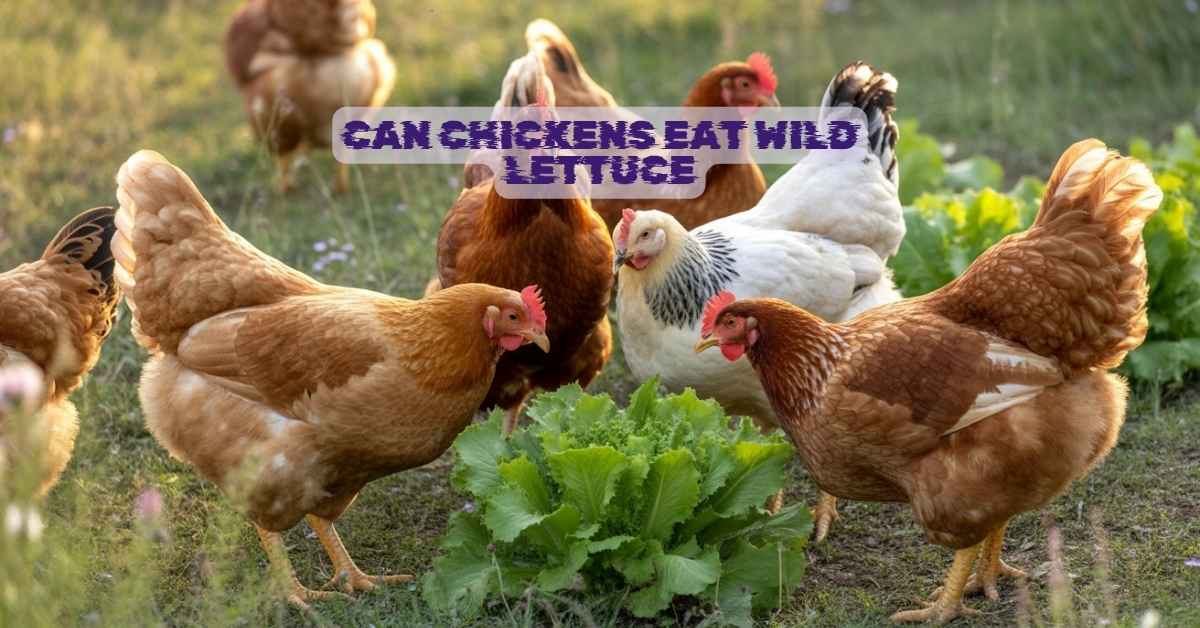
Can chickens eat wild lettuce? Yes—chickens can eat wild lettuce, but only in small amounts and with caution. While it’s not toxic, wild lettuce contains a milky sap called lactucarium and bitter compounds that make it unsuitable as a primary feed.
When used properly, it can be a safe, low-calorie treat that supports hydration and natural foraging behavior in a balanced poultry diet.
What Is Wild Lettuce? (Understanding the Plant)
Wild lettuce is a common forage plant found in fields, gardens, and roadsides. It often gets mistaken for harmless greens like dandelion, but it has unique properties.
Wild Lettuce vs Regular Lettuce
| Feature | Wild Lettuce | Regular Lettuce |
|---|---|---|
| Taste | Bitter | Mild |
| Sap | Milky (lactucarium) | None |
| Growth | Tall, weedy | Cultivated |
| Use | Limited feeding | Common treat |
Wild lettuce is more fibrous and contains compounds that affect how chickens consume it.
Common Types of Wild Lettuce
You may encounter:
- Prickly lettuce
- Tall wild lettuce
- Bitter lettuce varieties
All share similar characteristics, especially the presence of milky sap.
Is Wild Lettuce Safe for Chickens?
Wild lettuce falls into the category of safe but limited foods.
Is Wild Lettuce Toxic or Harmful?
Wild lettuce is not poisonous to chickens, but it isn’t entirely neutral either. Its natural compounds can affect digestion and appetite when consumed in large amounts.
What Is Lactucarium and Why It Matters?
Lactucarium is a milky sap found inside wild lettuce stems and leaves.
| Property | Effect |
|---|---|
| Bitter compounds | Reduce feed intake |
| Mild sedative effect | May calm chickens slightly |
| Latex-like sap | Potential digestive irritation |
This is why experienced poultry keepers say:
“Wild lettuce is safe—but not something you feed freely.”
How to Identify Wild Lettuce Safely (CRITICAL)
Correct identification is essential when feeding wild plants to chickens.
Key Identification Features
Look for:
- Tall plant with lobed leaves
- Presence of white milky sap when broken
- Slightly bitter smell
Wild Lettuce vs Dandelion vs Lookalikes
| Plant | Safety | Key Difference |
|---|---|---|
| Wild Lettuce | Safe in moderation | Milky sap |
| Dandelion | Very safe | No sap, softer leaves |
| Toxic lookalikes | Dangerous | Unknown traits |
Misidentification is rare but still a risk when feeding foraged greens.
Nutritional Value of Wild Lettuce for Chickens
Wild lettuce is mostly water, which explains both its benefits and limitations.
Key Nutrients (Per 100g)
| Nutrient | Amount | Benefit |
|---|---|---|
| Water | 90–95% | Hydration |
| Fiber | 1–2 g | Digestive support |
| Calories | ~15 kcal | Low energy |
Health Benefits
When used correctly, wild lettuce can:
- Support hydration in hot weather
- Aid digestion through fiber
- Provide light nutritional variety
It works best as part of a natural chicken diet, not as a staple.
How to Feed Wild Lettuce to Chickens (Step-by-Step)
Feeding wild lettuce correctly reduces risk and improves acceptance.
Raw Feeding Method
Wild lettuce should be:
- Chopped into smaller pieces
- Mixed with other greens
This reduces bitterness and improves intake.
Mixing with Regular Feed
Mixing wild lettuce with standard feed helps:
- Prevent selective eating
- Maintain a balanced poultry diet
Chickens are less likely to reject it when combined with familiar foods.
How Much Wild Lettuce Can Chickens Eat?
Portion control is essential.
| Feeding Method | Amount |
|---|---|
| Per flock | Small handful |
| Total diet | 5–10% maximum |
| Feed ratio | Follow 90/10 rule |
Exceeding this may lead to digestive imbalance.
How Often Can Chickens Eat Wild Lettuce?
Frequency guidelines help avoid issues.
- Feed 2–3 times per week
- Introduce gradually over 3–5 days
- Avoid daily feeding
This ensures safe integration into their diet.
Can Baby Chicks Eat Wild Lettuce?
Young chickens need extra care.
| Age | Recommendation |
|---|---|
| Under 6 weeks | Avoid feeding |
| After 6 weeks | Small amounts only |
Chicks rely on starter feed, and introducing greens too early can disrupt growth.
Do Chickens Like Wild Lettuce?
Taste plays a major role.
Wild lettuce has a bitter flavor, which means:
- Some chickens may avoid it
- Others may peck occasionally
Compared to other greens, it is less preferred, especially when sweeter options are available.
Benefits of Feeding Wild Lettuce to Chickens
Despite limitations, it offers practical advantages.
- Provides hydration due to high water content
- Supports natural foraging behavior
- Acts as a low-calorie treat
For free-range flocks, it adds diversity to their diet.
Risks and Side Effects of Wild Lettuce
Understanding risks ensures safe feeding.
Overfeeding Issues
Too much wild lettuce can cause:
- Watery droppings (same-day effect)
- Nutritional imbalance
Lactucarium Effects
While mild, excessive intake may:
- Reduce activity levels
- Affect appetite
Spoilage and Contamination Risks
Always follow safe feeding practices:
- Remove uneaten food within ~20 minutes
- Avoid moldy or spoiled greens
Spoiled greens can lead to serious health risks like botulism.
Common Mistakes When Feeding Wild Lettuce
Many poultry keepers make avoidable errors.
- Feeding too much at once
- Ignoring plant identification
- Offering spoiled greens
- Not balancing with complete feed
Avoiding these mistakes ensures healthy flock management.
Wild Lettuce vs Other Greens for Chickens
Not all greens are equal.
| Green | Nutritional Value | Verdict |
|---|---|---|
| Dandelion | High | Excellent |
| Kale | Very high | Ideal |
| Wild Lettuce | Moderate | Limited use |
Wild lettuce is best considered a secondary green option.
Seasonal Feeding Guide for Wild Lettuce
Seasonal use improves efficiency.
- Spring: Fresh and abundant
- Summer: Supports hydration
- Winter: Rarely needed
This aligns with natural forage cycles.
Foraging Safety Guide for Chickens
When feeding wild plants, safety comes first.
Follow these rules:
- Avoid roadside or polluted areas
- Ensure proper plant identification
- Wash plants if necessary
This protects your flock from hidden dangers.
LEARN MORE: Can Chickens Eat Zinnia Flowers
Sustainable Chicken Feeding Using Wild Plants
Wild lettuce fits into sustainable farming practices.
It helps:
- Reduce feed costs
- Encourage natural feeding habits
- Improve environmental efficiency
For homesteaders, it supports a natural forage-based system.
Scientific Perspective: Wild Lettuce in Poultry Diet
From a scientific standpoint:
- High water content supports hydration
- Fiber aids digestion
- Bitter compounds influence feeding behavior
However, due to low nutrient density, it cannot replace a complete diet.
Case Study: Backyard Flock Experience
A small flock owner introduced wild lettuce gradually.
After several days:
- Chickens showed mixed interest
- No major health issues observed
- Slight increase in watery droppings when overfed
This confirms: 👉 Wild lettuce is safe, but moderation is critical
FAQs
Is wild lettuce poisonous to chickens?
No, but it should only be fed in small amounts.
Can chickens eat wild lettuce every day?
No, limit to 2–3 times per week.
What weeds are safe for chickens?
Many weeds are safe, but always ensure proper identification.
Do chickens eat bitter plants?
Sometimes, but they usually prefer milder greens.
How do you identify wild lettuce safely?
Look for milky sap, tall growth, and lobed leaves.
Final Verdict: Should You Feed Wild Lettuce to Chickens?
Wild lettuce can be part of a chicken’s diet—but only as a controlled supplement.
To summarize:
- ✔ Safe when fed in moderation
- ✔ Contains lactucarium (use caution)
- ✔ Best limited to 5–10% of total diet
- ✔ Introduce after 6 weeks of age
When used correctly, wild lettuce supports a natural, diverse feeding approach without compromising flock health.