
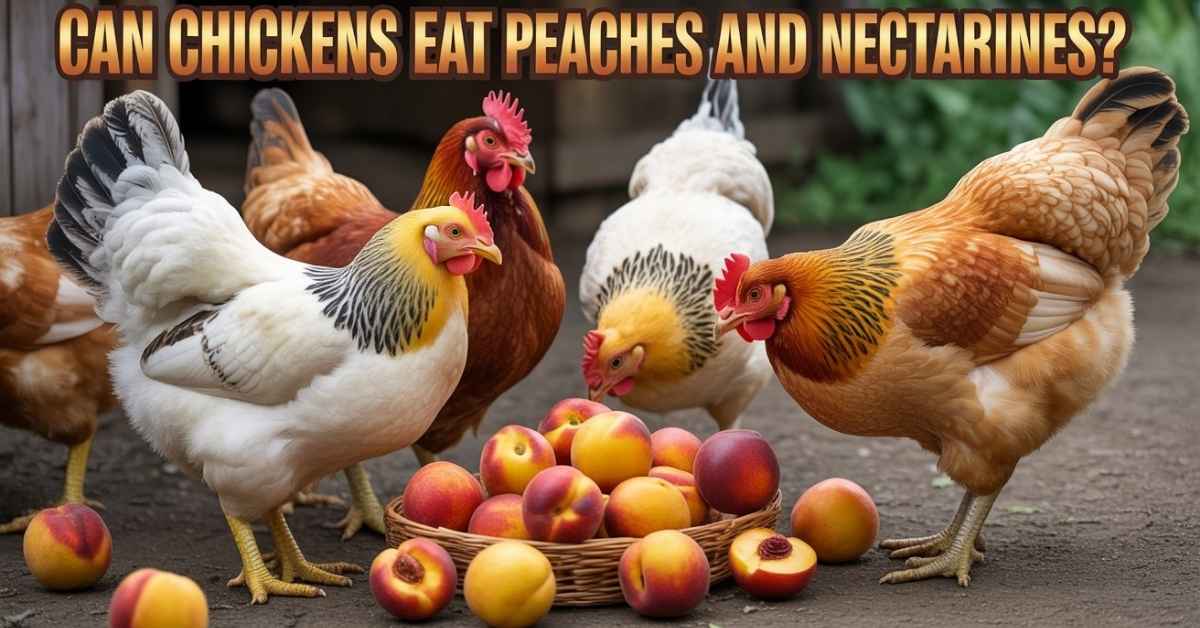
Can chickens eat peaches and nectarines? Yes, chickens can safely eat peaches and nectarines in moderation as long as the pits are removed completely. The soft fruit flesh and skin are generally safe for backyard chickens and provide hydration, antioxidants, vitamins, and healthy enrichment. However, peach pits and nectarine pits contain cyanogenic compounds that may release hydrogen cyanide, making the pits dangerous for poultry.
Many backyard flock owners feed fresh fruits as occasional treats because chickens naturally enjoy sweet, juicy foods. Peaches and nectarines can become healthy summer snacks for laying hens and free-range chickens when prepared properly. Still, understanding stone fruit safety is extremely important because fruit pits can create choking hazards, crop blockage, digestive obstruction, and toxicity risks.
This complete guide explains the benefits, risks, feeding methods, nutritional value, and safety precautions for feeding peaches and nectarines to chickens.
Are Peaches and Nectarines Safe for Chickens?
Yes, peaches and nectarines are generally safe for chickens when served correctly.
The edible fruit flesh contains nutrients that support:
- hydration
- poultry nutrition
- natural enrichment
- healthy treats for chickens
However, only the flesh and skin should be fed. The pits should always be removed before serving.
Can Chickens Eat Peaches Safely?
Yes, chickens can eat fresh peaches safely in moderation.
Peach flesh contains:
- vitamin A
- vitamin C
- antioxidants
- potassium
- natural fruit sugars
Fresh peaches are especially popular during hot weather because they provide moisture and hydration support.
Can Chickens Eat Nectarines Safely?
Yes, nectarines are also safe for backyard chickens.
Nectarines belong to the same stone fruit family as peaches and offer similar nutritional benefits. The flesh is soft, sweet, and easy for chickens to peck.
As with peaches, nectarine pits must always be removed.
Why Chickens Enjoy Sweet Fruits
Chickens naturally peck at:
- colorful foods
- juicy fruits
- soft textures
- fresh garden scraps
Fruit treats provide:
- enrichment
- hydration
- dietary variety
- natural foraging stimulation
Free-range chickens often seek fallen fruits independently.
Why Peach and Nectarine Pits Are Dangerous
The pits are the most dangerous part of peaches and nectarines.
Are Peach Pits Poisonous to Chickens?
Yes, peach pits can be poisonous because they contain:
- amygdalin
- cyanogenic compounds
- toxic kernels
When damaged or crushed, these compounds may release hydrogen cyanide.
Even though accidental ingestion does not always cause immediate poisoning, peach pits are still considered unsafe for poultry.
Are Nectarine Pits Toxic to Chickens?
Yes, nectarine pits carry the same risks because nectarines are stone fruits closely related to peaches.
Nectarine pits contain toxic seed compounds that may:
- release cyanide
- create digestive obstruction
- cause choking hazards
Choking Hazards and Crop Blockage Risks
Fruit pits are also physically dangerous.
Potential problems include:
- throat obstruction
- choking
- crop blockage
- digestive obstruction
Small breeds and baby chicks are especially vulnerable.
Cracked vs Whole Fruit Pits
Cracked pits are more dangerous than whole pits because breaking the shell exposes the toxic inner kernel.
| Pit Condition | Risk Level |
|---|---|
| Whole intact pit | Dangerous |
| Cracked pit | Very dangerous |
| Crushed kernel | Highest toxicity risk |
A chicken’s gizzard may partially crack pits during digestion, increasing toxin exposure.
Nutritional Benefits of Peaches and Nectarines for Chickens
When pits are removed, peaches and nectarines can become healthy fruit treats.
Vitamins and Minerals in Stone Fruits
These fruits contain several nutrients that support flock health.
| Nutrient | Potential Benefit |
|---|---|
| Vitamin A | Supports vision and feather health |
| Vitamin C | Immune system support |
| Potassium | Muscle and nerve function |
| Antioxidants | Cellular protection |
| Water content | Hydration support |
These nutrients make peaches and nectarines valuable as occasional healthy treats.
Hydration Benefits of Fresh Fruit
Fresh peaches and nectarines are water-rich fruits that help chickens stay hydrated during hot weather.
Hydrating fruits may support:
- summer comfort
- flock activity
- natural pecking behavior
Backyard flocks often enjoy cold fruit pieces during warm afternoons.
Are Peaches and Nectarines Healthy for Backyard Flocks?
Yes, they can support healthy poultry nutrition when fed in moderation.
However, fruit should never replace:
- balanced poultry feed
- protein-rich feed
- calcium supplements
- complete nutrition sources
Healthy treats work best alongside a balanced chicken diet.
Can Chickens Eat Peach and Nectarine Skin?
Yes, the skin is generally safe when cleaned properly.
Is Peach Skin Safe for Chickens?
Peach skin is edible for chickens, but washing is important because peaches may carry:
- pesticide residue
- dirt
- contaminants
Organic fruit is usually safer for backyard flocks.
Is Nectarine Skin Safe for Chickens?
Nectarine skin is thin and soft, making it easy for chickens to digest.
Most chickens eat nectarine flesh and skin together without issues.
Can Chickens Eat Fruit Peels?
Many fruit peels are safe in moderation, but thick or chemically treated peels should be avoided.
Safe preparation methods include:
- Washing fruit thoroughly
- Removing spoiled sections
- Cutting into small pieces
- Removing all pits and seeds
Safe Ways to Feed Peaches and Nectarines to Chickens
Preparation matters when feeding fruit safely.
How to Prepare Stone Fruits Safely
Before feeding peaches or nectarines:
- Remove pits completely
- Wash fruit thoroughly
- Cut into bite-sized pieces
- Remove moldy sections
Small pieces reduce choking risks.
Fresh Fruit vs Canned Fruit
Fresh fruit is much safer than canned fruit.
Canned peaches may contain:
- preservatives
- sodium benzoate
- excess sugar
- processed syrups
- artificial additives
Natural fruit treats are healthier for poultry digestion.
Can Chickens Eat Frozen or Dried Peaches?
Yes, but moderation is important.
Dried fruit often contains concentrated sugar levels, while frozen fruit may become slippery or messy.
Fresh fruit remains the healthiest option.
Can Chickens Eat Fallen Fruit?
Fallen peaches and nectarines may become dangerous if they are:
- moldy
- fermented
- spoiled
- insect-infested
Fermented fruit may expose chickens to alcohol-producing bacteria.
Always inspect fallen fruit carefully before feeding.
How Much Fruit Can Chickens Eat?
Even healthy fruit should remain limited.
The 90/10 Feeding Rule
Most poultry experts recommend:
- 90 percent balanced poultry feed
- 10 percent treats and scraps
| Food Type | Recommended Amount |
|---|---|
| Balanced poultry feed | 90% |
| Fruit and treats | 10% |
This helps maintain healthy poultry nutrition.
Fruit Moderation for Chickens
Too much fruit may contribute to:
- loose droppings
- excess sugar intake
- reduced protein consumption
- digestive imbalance
Moderation keeps treats beneficial.
Signs Chickens Are Eating Too Much Fruit
Possible signs include:
- watery droppings
- poor appetite
- reduced feed intake
- messy coop conditions
Fruit should supplement—not dominate—the diet.
Symptoms of Cyanide Poisoning in Chickens
Although poisoning is uncommon, understanding the warning signs is important.
Early Warning Signs
Possible early symptoms include:
- weakness
- lethargy
- breathing difficulty
- reduced activity
These symptoms may appear after consuming crushed pits or kernels.
Severe Toxicity Symptoms
Serious cyanide exposure may cause:
- tremors
- collapse
- severe respiratory distress
- neurological symptoms
Emergency veterinary care may become necessary.
Emergency Veterinary Care
Contact a veterinarian if chickens show:
- sudden weakness
- difficulty swallowing
- swollen crop
- breathing problems
- unusual behavior
Fast action improves recovery chances.
What to Do if a Chicken Eats a Peach or Nectarine Pit
Accidental ingestion can happen in free-range environments.
Immediate Steps to Take
If a chicken eats a pit:
- Remove remaining pits immediately
- Monitor the bird closely
- Observe appetite and droppings
- Watch for choking or breathing problems
Do not ignore unusual symptoms.
Signs of Digestive Obstruction
Potential blockage symptoms include:
- swollen crop
- reduced eating
- discomfort
- difficulty swallowing
- abnormal droppings
Large pits may become lodged in the digestive tract.
Veterinary Treatment and Emergency Monitoring
Veterinarians may:
- evaluate crop blockage
- monitor cyanide exposure
- recommend supportive care
- provide emergency treatment
Small chickens and chicks are at greater risk.
Safe Fruits Chickens Can Eat
Many fruits are healthy for backyard chickens when prepared properly.
Best Fruits for Backyard Chickens
| Safe Fruit | Main Benefit |
|---|---|
| Watermelon | Hydration |
| Blueberries | Antioxidants |
| Strawberries | Vitamin C |
| Apples without seeds | Fiber |
| Bananas | Potassium |
These fruits are safer than feeding risky stone fruit pits.
Fruits Chickens Should Eat in Moderation
Some fruits contain higher sugar levels and should remain occasional treats:
- grapes
- mangoes
- bananas
Balanced fruit moderation supports healthier digestion.
Toxic Fruits and Seeds for Poultry
Avoid feeding:
- avocado
- moldy fruit
- peach pits
- nectarine pits
- cherry pits
- spoiled fruit scraps
Toxic foods should never remain accessible inside chicken runs.
Stone Fruits Chickens Should Avoid
Several stone fruit pits contain dangerous compounds.
Cherry Pits
Cherry pits contain cyanogenic compounds similar to peach pits.
Apricot Pits
Apricot kernels are especially toxic due to concentrated amygdalin levels.
Plum Pits
Plum pits create choking and digestive risks.
Nectarine Pits
Nectarine pits carry nearly identical toxicity concerns as peach pits.
Apple Seeds and Toxic Fruit Seeds
Apple seeds also contain small amounts of cyanogenic compounds.
Repeated exposure should be avoided.
Can Baby Chicks Eat Peaches and Nectarines?
Young chicks require additional caution.
Are Stone Fruits Safe for Young Chicks?
Small amounts of pit-free fruit flesh may be introduced gradually, but chicks mainly need starter feed.
Why Fruit Pits Are More Dangerous for Chicks
Baby chicks face:
- smaller throats
- weaker digestion
- higher choking risks
Even small fragments can become dangerous.
Common Mistakes Chicken Owners Make With Fruit
Many poultry keepers accidentally create avoidable risks.
Feeding Whole Stone Fruits With Pits
This is one of the most dangerous mistakes.
Ignoring Cyanide Risks
Some flock owners underestimate stone fruit toxicity.
Feeding Moldy or Fermented Fruit
Spoiled fruit may cause digestive illness and toxin exposure.
Overfeeding Sugary Fruits
Too much sugar may disrupt balanced poultry nutrition.
Replacing Balanced Feed With Fruit Treats
Fruit should remain an occasional supplement only.
LEARN MORE: Can Chickens Eat Peach Pits?
Expert Tips for Feeding Fruit to Backyard Chickens
Simple habits improve flock safety significantly.
Building a Balanced Chicken Diet
Healthy chickens require:
- balanced poultry feed
- protein
- calcium
- vitamins
- minerals
Using Fruit as Healthy Enrichment
Fruit treats encourage:
- pecking activity
- natural foraging
- mental stimulation
Encouraging Safe Free-Range Feeding
Remove fallen pits from free-range areas regularly.
Monitoring Chickens After New Foods
Always observe:
- droppings
- appetite
- activity
- crop condition
after introducing new treats.
Case Study: Backyard Flock and Summer Stone Fruits
One backyard chicken owner offered pit-free peaches and nectarines to a free-range flock during summer.
The chickens eagerly consumed the chopped fruit and showed no digestive issues. However, the owner noticed several birds pecking at discarded peach pits left near compost areas. After learning about cyanogenic compounds and choking hazards, the pits were removed immediately.
The flock continued enjoying safe fruit treats without problems once proper preparation methods were followed.
This example highlights why safe fruit preparation matters for backyard poultry.
Frequently Asked Questions About Chickens, Peaches, and Nectarines
Can chickens eat peaches and nectarines?
Yes, chickens can safely eat peaches and nectarines if pits are removed completely.
Are peach pits poisonous to chickens?
Yes, peach pits contain cyanogenic compounds capable of releasing hydrogen cyanide.
Are nectarine pits toxic to chickens?
Yes, nectarine pits carry similar toxicity risks as peach pits.
Can chickens eat peach skin?
Yes, washed peach skin is generally safe in moderation.
Can chickens eat nectarine skin?
Yes, nectarine skin is safe when clean and fresh.
Can chickens eat canned peaches?
Fresh fruit is safer because canned peaches often contain preservatives and added sugar.
What fruits are toxic to chickens?
Avoid avocado, moldy fruit, and toxic stone fruit pits.
Can chickens choke on fruit pits?
Yes, pits can cause choking hazards and digestive obstruction.
How much fruit can chickens eat?
Fruit should remain around 10 percent of the overall diet.
Can baby chicks eat peaches safely?
Tiny amounts of pit-free fruit may be safe occasionally, but starter feed should remain the primary diet.
Conclusion
Can chickens eat peaches and nectarines? Yes, chickens can safely enjoy peaches and nectarines when the pits are removed completely. The fruit flesh and skin provide hydration, antioxidants, vitamins, and healthy enrichment for backyard flocks.
However, peach pits and nectarine pits are dangerous because they contain cyanogenic compounds capable of releasing hydrogen cyanide. The pits also create choking hazards and digestive obstruction risks.
The safest approach is to:
- remove pits completely
- wash fruit thoroughly
- serve fruit in moderation
- avoid moldy or fermented fruit
Balanced poultry feed should always remain the primary source of nutrition. When fed responsibly, peaches and nectarines can become healthy summer treats that support hydration and natural enrichment for chickens.