
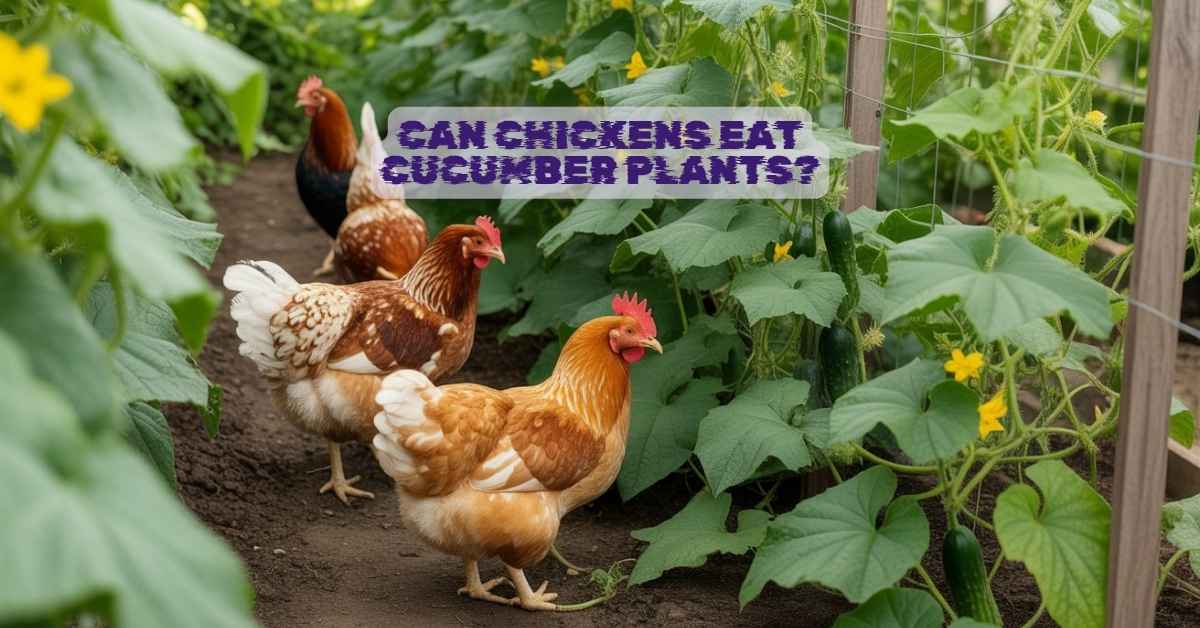
Can chickens eat cucumber plants? Yes—chickens can eat cucumber plants, including the leaves, vines, stems, flowers, and fruit, because they are non-toxic. However, the bigger concern is not safety—it’s garden damage.
Chickens tend to peck, scratch, and uproot plants, which means your cucumber crop can disappear quickly if access isn’t controlled.
If you raise backyard chickens, this guide explains which parts are safe, how much to feed, what risks to watch for, and how to protect your garden—all in a simple, practical way.
Are Cucumber Plants Safe for Chickens?
Cucumber plants are considered safe vegetables for chickens. Unlike toxic plants such as nightshade species, cucumbers contain no harmful compounds under normal conditions.
Safety Overview
- Leaves: safe
- Vines: safe
- Stems: safe
- Flowers: safe
- Fruit: highly safe and preferred
👉 This makes cucumbers one of the most chicken-friendly garden plants.
However, “safe” does not mean “problem-free.” Chickens may still cause significant plant damage.
Which Parts of Cucumber Plants Can Chickens Eat?
Understanding plant parts is essential for both feeding and garden management.
Cucumber Leaves
Chickens can eat cucumber leaves without issues. Leaves provide fiber and hydration, but they are not highly nutritious.
Cucumber Vines
Vines are edible, though chickens usually damage them more than they eat them. Vines are low in digestibility due to their fibrous structure.
Cucumber Stems
Stems are safe but tough. Chickens may peck at them, but they are not a preferred food source.
Cucumber Flowers
Flowers are soft and attractive to chickens. They are safe and often eaten quickly.
Cucumber Fruit
The fruit is the most valuable part nutritionally. Chickens love it because it is soft, watery, and easy to eat.
Cucumber Plant Parts Comparison Table
| Plant Part | Safety | Digestibility | Chicken Preference | Risk |
|---|---|---|---|---|
| Leaves | ✅ Safe | Medium | Moderate | Overeating |
| Vines | ✅ Safe | Low | Low | Plant damage |
| Stems | ✅ Safe | Low | Low | Tough texture |
| Flowers | ✅ Safe | High | High | Minimal |
| Fruit | ✅ Safe | High | Very High | Overfeeding |
👉 This table highlights a key point: everything is safe, but not everything is ideal.
Nutritional Benefits of Cucumbers for Chickens
Cucumbers are not a powerhouse food, but they offer useful benefits.
Nutritional Breakdown (Per 100g)
| Nutrient | Amount |
|---|---|
| Water | ~95–96% |
| Calories | ~15–16 kcal |
| Fiber | ~0.5–1g |
| Vitamin K | ~16–17 µg |
What This Means
- High water content helps prevent dehydration
- Low calories make cucumbers a light treat
- Fiber supports digestion
“Cucumbers are more about hydration than nutrition.”
👉 They are best used as a supplement, not a primary feed source.
Why Chickens Love Cucumber Plants
Chickens are natural foragers, and cucumber plants attract them for several reasons.
Behavioral Insights
- Chickens are drawn to soft, green vegetation
- They peck out of curiosity, not just hunger
- They prefer foods with high water content
👉 This explains why cucumber plants often get damaged quickly in free-range setups.
Do Chickens Damage Cucumber Plants?
Yes—this is the most important factor to understand.
Common Types of Damage
- Pecking leaves, reducing plant growth
- Breaking vines, stopping fruit production
- Scratching soil, exposing roots
- Uprooting young plants
Real-Life Scenario (Case Study)
A backyard chicken keeper allowed free-range access to a vegetable patch. Within days:
- Leaves were stripped
- Vines were broken
- Plants stopped producing fruit
👉 The issue wasn’t safety—it was uncontrolled access.
How Much Cucumber Can Chickens Eat?
Even safe foods must be limited.
Feeding Guidelines
| Factor | Recommendation |
|---|---|
| Portion size | Small handful per chicken |
| Frequency | 2–3 times per week |
| Diet ratio | 10% treats / 90% poultry feed |
Why Moderation Matters
Too much cucumber can lead to:
- Nutrient dilution
- Reduced feed intake
- Lower egg production
👉 Balance is essential for a healthy poultry diet.
How to Feed Cucumber Plants to Chickens Safely
Preparation and control make a big difference.
Preparation
- Wash to remove pesticide residue
- Cut into manageable pieces
- Avoid feeding spoiled or bitter cucumbers
Feeding Methods
- Offer in a controlled feeding area
- Avoid letting chickens roam freely in the garden
- Mix with regular feed
👉 Controlled feeding prevents overconsumption and plant destruction.
Risks of Feeding Cucumber Plants
While generally safe, there are some risks.
Key Risks
- Overconsumption of low-nutrient food
- Pesticide exposure if not washed
- Digestive imbalance
- Bitter cucumbers containing cucurbitacin
👉 Bitter cucumbers should be avoided because they may cause digestive discomfort.
How to Protect Cucumber Plants from Chickens
If you grow cucumbers, protection is essential.
Effective Methods
- Install fencing around garden beds
- Use raised beds
- Create separate chicken runs
Controlled Access Strategy
- Allow chickens into the garden for short periods
- Supervise their activity
- Remove them before damage occurs
👉 Protection strategies allow you to balance gardening and chicken keeping.
Can Chickens Eat Cucumber Plants in the Garden?
Yes, but with caution.
Pros
- Natural feeding
- Reduced waste
- Enrichment for chickens
Cons
- Plant destruction
- Reduced harvest
- Soil disturbance
👉 Free access is convenient, but controlled feeding is far more sustainable.
Why Bitter Cucumbers Can Be a Problem
Some cucumbers develop a bitter taste due to cucurbitacin, a natural compound.
Important Facts
- Bitter cucumbers are less palatable
- May cause mild digestive issues
- Usually avoided by chickens
👉 Always check taste before feeding.
Can Baby Chicks Eat Cucumber Plants?
Young chicks require special care.
Feeding Advice
- Offer only small, soft pieces of cucumber fruit
- Avoid tough plant parts
- Focus on starter feed
👉 Chickens under 6–8 weeks should not rely on vegetables.
Best Vegetables for Chickens
Cucumbers are useful, but variety improves nutrition.
Better Options
- Lettuce
- Spinach
- Carrots
- Pumpkin
These provide:
- More nutrients
- Better balance
- Greater variety
Seasonal Feeding Tips
Summer
- Cucumbers help with hydration
- Reduce heat stress
Winter
- Limit watery foods
- Focus on calorie-rich feed
👉 Seasonal adjustments improve overall flock health.
Expert Tips for a Balanced Chicken Diet
A proper diet is simple but essential.
- 90% complete poultry feed
- 10% treats (including cucumbers)
- Clean water always available
Expert Insight
“Treats should enhance the diet—not replace it.”
Do Chickens Prefer Cucumber Plants or Fruit?
Chickens strongly prefer:
- Soft cucumber fruit
- Leaves over stems
- Flowers over vines
👉 This preference explains why plants are often damaged before fruit is fully harvested.
LEARN MORE: Can Chickens Eat Mango Peel?
Can Cucumber Plants Affect Egg Production?
Yes—if overfed.
Impact
- Reduced nutrient intake
- Lower egg production
- Imbalanced diet
👉 Maintaining the 10% treat rule prevents these issues.
Safe Feeding Chart for Chickens
| Food Type | Safe | Risk | Notes |
|---|---|---|---|
| Cucumber plants | ✅ | Medium | May damage plants |
| Cucumber fruit | ✅ | Low | Best option |
| Bitter cucumber | ⚠️ | Medium | Avoid if bitter |
Can Chickens Eat Garden Plants Safely?
Some garden plants are safe, others are not.
Safe Examples
- Cucumbers
- Lettuce
- Spinach
Unsafe Examples
- Nightshade plants
- Toxic weeds
👉 Always verify plant safety before allowing access.
FAQs About Cucumber Plants and Chickens
Can chickens eat cucumber plant leaves?
Yes, leaves are safe and edible.
Are cucumber plants toxic to chickens?
No, they are non-toxic.
Do chickens destroy cucumber plants?
Yes, they often damage plants through pecking and scratching.
Can chickens eat cucumber vines?
Yes, but vines are not highly digestible.
How much cucumber can chickens eat?
A small handful per chicken, 2–3 times per week.
Final Verdict
Cucumber plants are safe for chickens, but they come with a trade-off.
Key Takeaways
- Safe to eat: leaves, vines, stems, flowers, fruit
- Main issue: plant damage
- Best approach: controlled feeding
When managed properly, cucumber plants can provide:
- Hydration
- Variety
- Natural enrichment
When unmanaged, they can lead to:
- Garden destruction
- Reduced harvest
- Nutritional imbalance
👉 The simple rule: Safe to eat—but protect your plants if you want to keep them.