
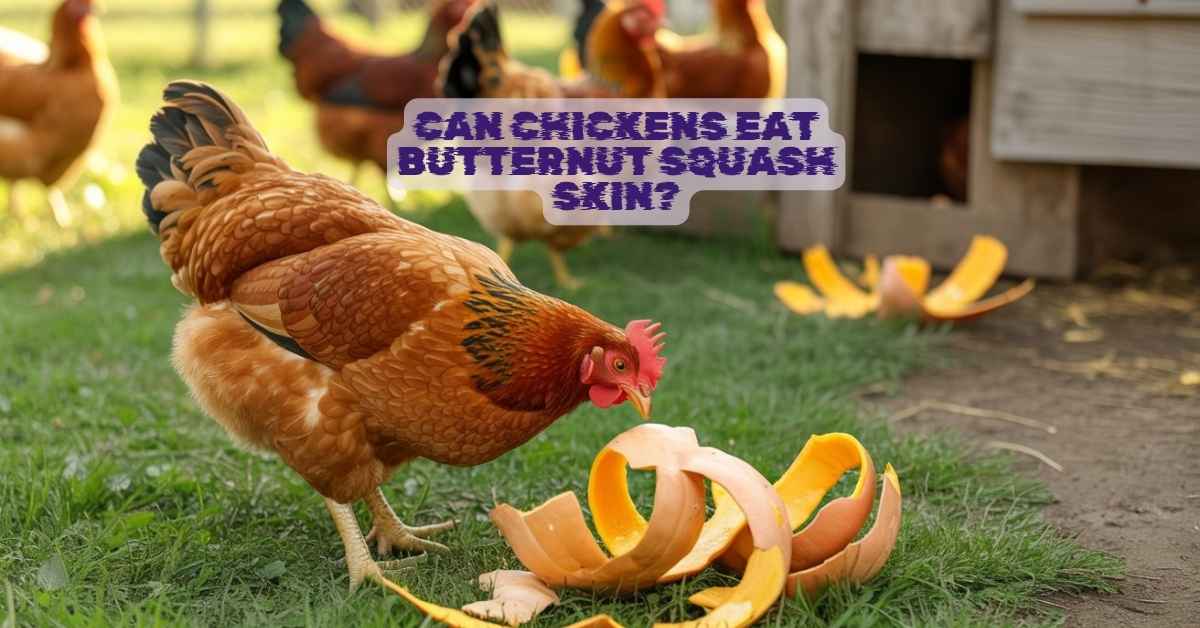
Can chickens eat butternut squash skin? Yes—chickens can eat butternut squash skin, but it’s best served chopped or cooked so it’s easier to peck and digest. The skin is not toxic, yet its naturally tough texture can make it difficult for birds to break down if offered raw in large chunks.
When prepared properly and fed in moderation, butternut squash (including the skin) becomes a nutrient-rich treat that supports a healthy, balanced poultry diet.
If you’re raising backyard chickens, this guide explains how to feed squash safely, including raw vs cooked options, seeds, portions, risks, and best practices to keep your flock thriving.
Is Butternut Squash Skin Safe for Chickens?
Butternut squash belongs to a group of safe vegetables for chickens, and its skin is generally edible and non-toxic. The real issue is not safety—but digestibility and texture.
The outer skin is:
- Firm and fibrous
- Harder to peck compared to soft foods
- Less digestible when raw
Chickens are natural foragers and will peck at most foods, but they do better with soft, bite-sized pieces. That’s why many poultry keepers prefer to cook or finely chop squash skin before feeding.
“Safe doesn’t always mean easy to eat—texture plays a huge role in poultry nutrition.”
Can Chickens Eat Raw Butternut Squash?
The short answer: Yes, chickens can eat raw butternut squash, including the flesh and skin. However, raw squash presents a few challenges.
Raw Squash Considerations
| Factor | Raw Squash | Cooked Squash |
|---|---|---|
| Safety | ✅ Safe | ✅ Safe |
| Texture | Hard | Soft |
| Digestibility | Moderate | High |
| Pecking ease | Difficult | Easy |
Raw squash is safe but:
- Hard texture may discourage eating
- Nutrients are slightly harder to absorb
- Large pieces can become a choking risk
👉 For best results, cut raw squash into small pieces or lightly soften it.
Can Chickens Eat Raw Butternut Squash Seeds?
Yes—chickens can eat raw butternut squash seeds, and they can even be a nutritious addition to their diet when given in moderation.
Nutritional Value of Seeds
- Healthy fats
- Protein
- Trace minerals
Seeds are softer than the skin and easier for chickens to consume. However, like all treats, they should follow the 10% treat rule.
Feeding Tip
- Offer seeds plain (no salt or seasoning)
- Crush slightly for smaller birds
- Feed occasionally, not daily
Raw vs Cooked Butternut Squash Skin (Digestibility Comparison)
One of the biggest gaps in competitor content is explaining why cooking matters.
| Type | Safety | Digestibility | Recommendation |
|---|---|---|---|
| Raw skin | ✅ Safe | Medium | Chop finely |
| Cooked skin | ✅ Safe | High | Best option |
Why Cooking Helps
Cooking at 100°C (212°F) for about 15–30 minutes softens the fibrous skin and improves:
- Nutrient absorption
- Ease of digestion
- Pecking ability
👉 If you want maximum benefit with minimal risk, serve cooked squash skin.
Nutritional Benefits of Butternut Squash for Chickens
Butternut squash is not just filler—it’s packed with valuable nutrients.
Nutritional Profile (Per 100g)
| Nutrient | Amount |
|---|---|
| Calories | ~40–45 kcal |
| Fiber | ~2–3g |
| Vitamin C | ~20–30 mg |
| Potassium | ~350–400 mg |
| Water content | ~85–87% |
Key Benefits
- Beta-carotene (Vitamin A) supports vision and immunity
- Vitamin C boosts overall health
- Fiber aids digestion
- Hydration support from high water content
👉 While nutritious, squash should remain a treat—not a primary feed source.
How to Feed Butternut Squash Skin to Chickens Safely
Preparation is the difference between safe feeding and potential problems.
Step-by-Step Preparation
- Wash the squash thoroughly
- Remove dirt or damaged areas
- Cut into 2–4 small pieces
- Cook or soften if needed
- Serve plain (no salt, oil, or seasoning)
Serving Methods
- Scatter pieces in the run
- Mix with regular feed
- Offer as a midday treat
👉 Always prioritize small, manageable pieces.
How Much Butternut Squash Can Chickens Eat?
Portion control is essential for maintaining a balanced poultry diet.
Feeding Guidelines
| Factor | Recommendation |
|---|---|
| Portion size | 1–2 tablespoons per chicken |
| Frequency | 1–2 times per week |
| Diet ratio | 10% treats / 90% poultry feed |
Why Moderation Matters
Too much squash can lead to:
- Excess fiber intake
- Reduced appetite for balanced feed
- Nutritional imbalance
👉 Treats should complement—not replace—regular feed.
Squash Skin vs Flesh vs Seeds
Understanding each part helps you feed smarter.
| Part | Safety | Benefit | Recommendation |
|---|---|---|---|
| Skin | ✅ Safe | Fiber | Chop or cook |
| Flesh | ✅ Safe | Nutrient-rich | Best option |
| Seeds | ✅ Safe | Healthy fats | Feed moderately |
👉 The flesh is the easiest to digest, while skin requires preparation.
Risks of Feeding Butternut Squash Skin to Chickens
Even safe foods can create problems if misused.
Key Risks
- Choking hazard from large chunks
- Digestive difficulty from tough skin
- Overfeeding fiber leading to imbalance
Real Example (Case Insight)
A backyard poultry keeper reported that chickens ignored raw squash until it was baked and softened, after which it became a favorite treat.
👉 This highlights how texture directly affects feeding success.
Signs of Digestive Issues in Chickens
Watch for early signs if you introduce new foods.
Warning Signs
- Loose droppings
- Lethargy
- Reduced appetite
- Slow movement
What to Do
- Remove the food
- Provide fresh water
- Return to balanced feed
Best Vegetables for Chickens (Alternatives)
If you want variety, these vegetables are excellent options:
- Pumpkin
- Carrots
- Spinach
- Cabbage
- Peas
These are easier to digest and provide diverse nutrients.
Common Mistakes When Feeding Squash to Chickens
Avoid these common errors:
- Feeding large hard pieces
- Ignoring preparation
- Overfeeding
- Adding salt or oil
👉 Simple mistakes can reduce the health benefits of otherwise safe foods.
Seasonal Feeding Tips for Squash
Winter Feeding
- Squash provides energy and nutrients
- Great seasonal supplement
Summer Feeding
- Focus on hydration
- Combine squash with water-rich foods
👉 Adjust feeding based on seasonal needs.
Can Baby Chicks Eat Butternut Squash Skin?
No—butternut squash skin is not ideal for chicks.
Reasons
- Sensitive digestive systems
- Need high-protein starter feed
- Risk of choking
👉 Wait until chickens are at least 6–8 weeks old.
Expert Tips for a Balanced Chicken Diet
A proper diet follows a simple rule:
- 90% complete poultry feed
- 10% treats (including squash)
- Access to clean water at all times
Expert Quote
“Healthy chickens come from balanced diets—not excessive treats.”
Do Chickens Prefer Soft Foods Over Hard Foods?
Yes—chickens naturally prefer soft, easy-to-peck foods.
- Soft foods = higher consumption
- Hard foods = often ignored
👉 This explains why cooked squash is more popular than raw.
Does Cooking Improve Nutrient Absorption?
Cooking improves bioavailability, meaning chickens absorb nutrients more easily.
- Softens fiber
- Breaks down plant structure
- Improves digestion
👉 This is why cooked squash is often the better option.
Organic vs Store-Bought Squash
Both are safe when prepared properly.
- Organic = fewer pesticides
- Store-bought = equally nutritious
👉 Focus more on preparation than source.
LEARN MORE: Can Chickens Eat Bean Plants?
Can Chickens Eat Vegetable Peels in General?
Yes—many vegetable peels are safe, including:
- Squash skin
- Carrot peel
- Cucumber skin
👉 Always ensure they are clean and properly prepared.
Can Chickens Self-Regulate Their Diet?
Many assume chickens avoid harmful foods—but this is unreliable.
- Chickens eat based on availability
- Curiosity overrides caution
👉 Always control what your chickens eat.
Safe Feeding Chart for Chickens
| Food Type | Safe | Risk | Notes |
|---|---|---|---|
| Squash skin | ✅ | Medium | Chop/cook |
| Squash flesh | ✅ | Low | Best option |
| Seeds | ✅ | Low | Moderate |
FAQs About Butternut Squash and Chickens
Can chickens eat raw butternut squash?
Yes, but it’s harder to digest—cut into small pieces.
Can chickens eat raw butternut squash seeds?
Yes, they are safe in moderation and provide healthy nutrients.
Is squash skin too hard for chickens?
It can be—cooking or chopping improves safety.
How do you prepare squash for chickens?
Wash, cut into small pieces, and optionally cook.
What vegetables are toxic to chickens?
Avoid:
- Raw potatoes
- Avocado
- Onion in excess
Final Verdict
Butternut squash skin is safe, nutritious, and beneficial for chickens—but only when fed correctly.
To keep your flock healthy:
- Chop or cook the skin
- Feed in moderation
- Follow the 10% treat rule
- Prioritize a balanced diet
When done right, squash provides:
- Vitamins
- Fiber
- Hydration
When done wrong, it can cause:
- Digestive issues
- Feeding imbalance
👉 The key is simple: prepare properly, feed moderately, and your chickens will thrive.