
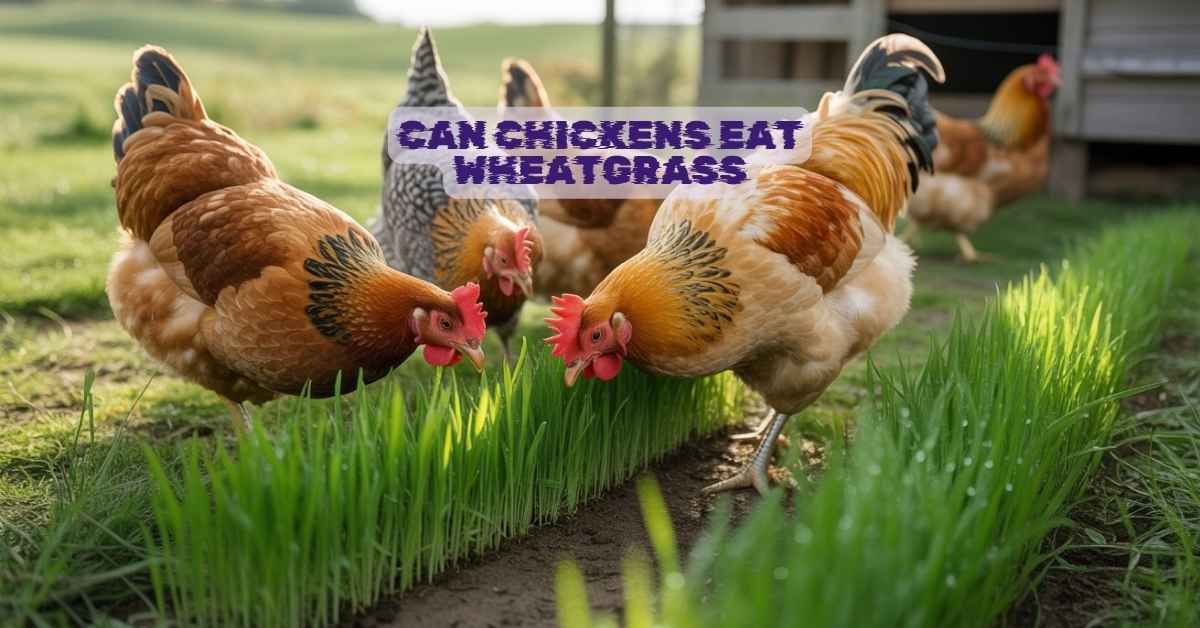
Can chickens eat wheatgrass? Yes—chickens can eat wheatgrass safely, and it’s one of the most nutritious green treats you can offer. It supports digestion, immunity, and egg quality when fed in moderation.
Even better, it’s easy to grow at home in 7–10 days, making it a practical option for year-round feeding.
Can Chickens Eat Wheatgrass Safely?
Wheatgrass is a young form of wheat harvested early for maximum nutrition. For chickens, it acts as a natural feed supplement, not a replacement for their main diet.
A balanced poultry diet still follows a simple rule:
| Diet Component | Ratio |
|---|---|
| Complete Feed | 90% |
| Greens & Treats (including wheatgrass) | ≤10% |
When used correctly, wheatgrass becomes a safe, nutrient-rich addition rather than a risk.
Why Chicken Owners Feed Wheatgrass
Backyard keepers often turn to wheatgrass because:
- It provides fresh greens in winter
- It mimics natural foraging behavior
- It boosts overall flock health
“Wheatgrass isn’t just food—it’s nutrition and enrichment combined.”
Nutritional Benefits of Wheatgrass for Chickens
Wheatgrass stands out because of its dense nutritional profile, especially when harvested young.
Vitamins and Minerals
Wheatgrass contains:
- Vitamin A for vision and immunity
- Vitamin C for stress resistance
- Vitamin E for reproductive health
- B-complex vitamins for metabolism
It also includes essential minerals like:
- Iron
- Calcium
- Magnesium
Chlorophyll and Antioxidant Benefits
Chlorophyll gives wheatgrass its deep green color and:
- Supports detox processes
- Improves oxygen transport
- Enhances overall vitality
Antioxidants help protect chickens from:
- Environmental stress
- Disease
Amino Acids and Enzymes
Wheatgrass provides:
- Essential amino acids
- Natural enzymes
These improve:
- Nutrient absorption
- Digestive efficiency
Immune System and Digestion Support
With regular feeding, chickens may show:
- Better gut health
- Improved immune response within 3–6 weeks
- Increased activity levels
Can Chickens Eat Wheatgrass Seeds?
This is an important variation many chicken owners ask about.
Are Wheatgrass Seeds Safe for Chickens?
Yes—chickens can eat wheatgrass seeds (wheat berries). These are:
- High in energy
- Rich in carbohydrates
- Safe when fed in moderation
Nutritional Value of Wheat Berries
Wheat seeds contain:
- Complex carbohydrates
- Protein
- Fiber
They are more calorie-dense than wheatgrass itself.
Whole Seeds vs Sprouted Wheatgrass
| Form | Benefit |
|---|---|
| Wheat Seeds | Energy-rich |
| Sprouted Wheatgrass | Nutrient-dense |
Sprouting increases:
- Vitamin levels
- Digestibility
Best Way to Feed Wheatgrass Seeds
Seeds can be:
- Fed dry in small amounts
- Soaked or sprouted for better nutrition
How to Feed Wheatgrass to Chickens
Wheatgrass can be offered in different forms depending on your setup.
Fresh Wheatgrass vs Dried Wheatgrass
Fresh wheatgrass is:
- More nutritious
- Easier to digest
Dried wheatgrass:
- Less effective nutritionally
- Still usable occasionally
Feeding Wheatgrass Mats
A popular method is feeding the entire tray:
- Chickens peck at roots and grass
- Encourages natural behavior
Mixing Wheatgrass with Regular Feed
You can:
- Chop wheatgrass
- Mix with grains
This ensures chickens:
- Eat balanced portions
How Much Wheatgrass Should Chickens Eat?
Moderation is essential for optimal health.
Feeding Quantity Guidelines
| Category | Amount |
|---|---|
| Adult Chicken | 1 small handful |
| Flock | 1–2 handfuls total |
Feeding Frequency
- Small amounts daily
- Or 2–4 times per week
Why Moderation Matters
Overfeeding greens may cause:
- Mild digestive upset within 6–24 hours
- Reduced intake of balanced feed
Can Chickens Eat Wheatgrass Every Day?
Yes, but in controlled amounts.
Safe Daily Feeding
Daily feeding is safe if:
- Portions are small
- Diet remains balanced
Benefits of Regular Feeding
Over 2–4 weeks, chickens may show:
- Improved feather quality
- Better egg production
- Increased energy
Risks of Overfeeding
Too much wheatgrass can:
- Dilute nutrition
- Affect digestion
How to Grow Wheatgrass for Chickens (Step-by-Step)
Growing wheatgrass is simple and cost-effective.
Materials Needed
- Wheat seeds (berries)
- Tray or container
- Water
Step 1: Soaking Seeds (8–12 Hours)
Soak seeds overnight to:
- Activate germination
- Improve growth rate
Step 2: Germination (2–3 Days)
After soaking:
- Drain seeds
- Keep moist
Step 3: Growing Phase (7–10 Days)
Place seeds in trays:
- Water lightly 1–2 times daily
- Keep in indirect sunlight
Step 4: Harvesting (2–8 Inches Height)
Harvest when grass reaches:
- 2–8 inches tall
This is when nutrient density peaks.
Hydroponic and Indoor Wheatgrass Growing Methods
Soil vs Hydroponic Growing
| Method | Advantage |
|---|---|
| Soil | Natural growth |
| Hydroponic | Cleaner and faster |
Tray System Setup
A rotation system allows:
- Continuous supply
- Fresh harvest every 7 days
Watering and Maintenance
Maintain:
- Light watering
- Proper drainage
Wheatgrass vs Other Greens for Chickens
Nutritional Comparison
| Green | Nutritional Value |
|---|---|
| Wheatgrass | High |
| Regular Grass | Moderate |
| Leafy Greens | High |
Which Is Better?
Wheatgrass is:
- More nutrient-dense
- Easier to grow indoors
Health Benefits of Wheatgrass for Chickens
Egg Production Improvement
Chickens may show:
- Better egg quality within 2–3 weeks
Feather Health and Molting Support
Wheatgrass helps:
- Feather regrowth
- Overall appearance
Gut Health and Digestion
Improves:
- Gut microflora
- Nutrient absorption
Immune Boost Over Time
Regular feeding supports:
- Stronger immunity over 3–6 weeks
Can Baby Chicks Eat Wheatgrass?
Age-Based Feeding Guidelines
| Age | Recommendation |
|---|---|
| 0–2 weeks | Avoid greens |
| 2–6 weeks | Small amounts |
| Adults | Regular feeding |
Safe Introduction
Introduce slowly to:
- Prevent digestive issues
- Allow adaptation
LEARN MORE: Can Chickens Eat Hosta Leaves
Common Mistakes When Feeding Wheatgrass
Overfeeding Greens
Too much wheatgrass reduces:
- Balanced feed intake
Feeding Moldy Wheatgrass
Mold can:
- Cause illness
- Harm digestion
Ignoring Balanced Diet
Wheatgrass is a supplement, not a replacement.
Poor Growing Conditions
Improper care leads to:
- Weak growth
- Reduced nutrition
Expert Tips for Feeding Wheatgrass to Chickens
Maintain the 90/10 Rule
Always ensure:
- Majority diet is complete feed
Rotate Greens for Variety
Combine wheatgrass with:
- Vegetables
- Other greens
Use Wheatgrass as a Supplement
Never replace:
- Main poultry feed
Monitor Chicken Health
Watch for:
- Changes in behavior
- Egg production
Wheatgrass Feeding Chart for Chickens
| Category | Amount | Frequency | Notes |
|---|---|---|---|
| Adult Chickens | 1 handful | Daily (small) | Supplement only |
| Chicks | Small pieces | 2–3x/week | Introduce slowly |
| Wheat Seeds | Small amount | Occasional | High energy |
Wheatgrass vs Commercial Feed
Nutritional Differences
| Feed Type | Purpose |
|---|---|
| Wheatgrass | Supplement |
| Commercial Feed | Complete nutrition |
Cost and Sustainability
Wheatgrass:
- Low cost
- Easy to grow
Which Should You Choose?
Use both—feed for nutrition, wheatgrass for enrichment.
FAQs
Can chickens eat wheatgrass seeds safely?
Yes, in small amounts. They provide energy but should be limited.
Can chickens eat wheatgrass every day?
Yes, if fed in small portions.
How long does wheatgrass take to grow?
Typically 7–10 days.
Is wheatgrass better than grass?
Yes, it is more nutrient-dense.
Can chickens eat sprouted wheat?
Yes, sprouted grains are highly beneficial.
Final Verdict: Should You Feed Wheatgrass to Chickens?
Wheatgrass is a safe, nutritious, and highly beneficial treat for chickens. It supports health, egg production, and natural behavior, making it one of the best green supplements available.
The key is balance:
- Feed in moderation
- Maintain a proper diet
- Combine with other nutrients
When used correctly, wheatgrass can transform your flock into a healthier, more productive, and more active group of chickens.