
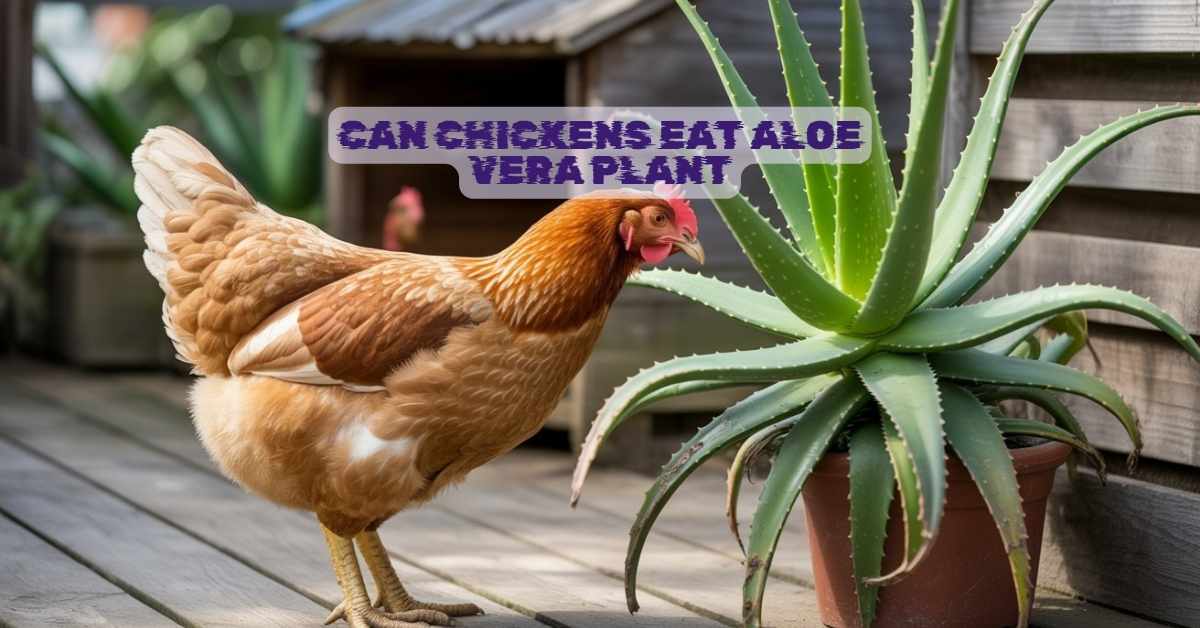
Can chickens eat aloe vera plant? The answer is not straightforward. Chickens can consume very small amounts of aloe vera gel, but the plant itself—especially the yellow latex layer (sap)—is potentially toxic and should generally be avoided.
While aloe vera is often praised for its health benefits in humans and even in controlled poultry studies, feeding the whole plant to chickens can lead to digestive problems, dehydration, and long-term health issues.
Can Chickens Eat Aloe Vera Plant Safely?
Chickens are natural foragers, often pecking at plants in their environment. However, not every plant is safe. Aloe vera falls into a “partially safe but risky” category.
The inner gel of the aloe leaf may offer some benefits in controlled, diluted amounts, but the outer parts of the plant contain toxic compounds that can harm chickens.
Why This Question Matters for Chicken Owners
Backyard chicken keepers often allow birds to roam freely in gardens. This raises a common concern: Are common household plants like aloe vera safe?
The confusion arises because:
- Aloe vera is known for healing properties
- Chickens eat many plants naturally
But here’s the key insight:
Natural does not always mean safe for poultry.
Aloe Vera Plant Breakdown: Gel vs Latex vs Leaf
Understanding aloe vera requires looking at its structure. Each part affects chickens differently.
Aloe Vera Gel (Inner Part)
The gel is:
- ~98–99% water
- Contains beneficial compounds like acemannan
- Used in controlled poultry studies at 0.1%–2% inclusion rates
In small, controlled amounts, aloe gel may:
- Support immune function
- Improve gut health
However, natural feeding is unpredictable, making it less safe outside controlled conditions.
Aloe Latex (Yellow Sap – Toxic Part)
This is the most dangerous part.
It contains:
- Anthraquinones (such as aloin)
- Strong laxative compounds
Effects on chickens:
- Diarrhea within 6–24 hours
- Dehydration
- Nutrient loss
Even small amounts can disrupt the digestive system.
Outer Leaf Skin
The outer layer is:
- Tough and fibrous
- Bitter in taste
- Not easily digestible
It offers no real nutritional value and may irritate the digestive tract.
Why Aloe Vera Can Be Harmful to Chickens
Anthraquinones and Toxicity Explained
Anthraquinones are natural plant compounds that act as strong laxatives. While they are used in human medicine, chickens are much more sensitive.
These compounds:
- Increase intestinal movement
- Reduce nutrient absorption
- Cause dehydration
Laxative Effect and Digestive Disruption
Chickens have a delicate digestive system. When exposed to aloe latex:
- Food passes too quickly through the gut
- Nutrients are not properly absorbed
Dehydration and Nutrient Loss
Diarrhea leads to:
- Loss of essential fluids
- Weakness and lethargy
- Reduced egg production
Potential Kidney Stress
Prolonged exposure may:
- Stress internal organs
- Affect long-term health
What Happens If Chickens Eat Aloe Vera?
Immediate Effects (6–24 Hours)
Chickens may show:
- Loose droppings
- Reduced activity
- Mild weakness
Short-Term Effects (1–2 Days)
If ingestion continues:
- Dehydration becomes noticeable
- Appetite decreases
Long-Term Risks
Repeated exposure can cause:
- Nutritional imbalance
- Decline in egg production
- General health deterioration
How Much Aloe Vera Is Safe for Chickens?
The safest answer is: very little, if any.
Safe Exposure Limits
| Category | Recommendation |
|---|---|
| Aloe Gel | ⚠️ Tiny amounts only |
| Aloe Latex | ❌ Avoid completely |
| Whole Plant | ❌ Not recommended |
Scientific Dosage (Research-Based Insight)
In controlled studies:
- Aloe gel is used at 0.1%–2% of feed
- Aloe extract is diluted at ~20 ml per liter of water
These controlled environments are very different from backyard feeding.
Why Natural Feeding Is Riskier
When chickens eat aloe directly:
- They cannot separate gel from latex
- Dosage becomes unpredictable
- Risk of toxicity increases
Should You Let Chickens Access Aloe Vera Plants?
Free-Range Chicken Behavior
Chickens:
- Peck out of curiosity
- Do not always avoid harmful plants
Do Chickens Avoid Toxic Plants?
Not always. Unlike some animals, chickens may:
- Eat unfamiliar plants
- Try new textures and tastes
When to Remove Aloe Plants
Consider removing aloe vera if:
- Chickens have regular access
- You notice pecking behavior
Can Chickens Eat Aloe Vera Gel Safely?
Benefits of Aloe Gel (Controlled Use)
In small amounts, aloe gel may:
- Improve gut bacteria balance
- Enhance immune response
- Provide mild antibacterial effects
Risks of Overconsumption
Too much gel may still:
- Cause digestive upset
- Lead to mild diarrhea
Best Practice
If used:
- Keep it minimal and occasional
- Ensure it is latex-free
Aloe Vera Benefits for Chickens (Controlled Use Only)
Immune System Support
Studies show aloe vera can:
- Enhance immune response
- Improve resistance to infections
Gut Health and Microflora Balance
Aloe compounds may:
- Promote healthy gut bacteria
- Improve digestion
Antibacterial and Antioxidant Effects
Aloe contains:
- Natural antioxidants
- Antibacterial compounds
Safe Alternatives to Aloe Vera for Chickens
Instead of risky plants, choose safer options.
Healthy Plant Choices
| Plant | Benefit |
|---|---|
| Spinach | Rich in iron |
| Lettuce | Easy to digest |
| Pumpkin | High in vitamin A |
| Carrots | Good for vision |
What to Do If Your Chickens Eat Aloe Vera
Monitor Symptoms (First 24 Hours)
Watch for:
- Diarrhea
- Weakness
Provide Clean Water
Hydration is critical to:
- Prevent dehydration
- Restore balance
When to Take Action
If symptoms last beyond 24–48 hours, seek veterinary advice.
Common Mistakes Chicken Owners Make
Assuming All Plants Are Safe
Not all natural plants are harmless.
Allowing Unlimited Garden Access
Free-range chickens may eat unsafe plants.
Ignoring Early Symptoms
Small signs like diarrhea should not be overlooked.
Feeding Aloe Without Knowledge
Using aloe without understanding its risks can harm your flock.
LEARN MORE: Can Chickens Eat Pumpkin Pie
Expert Tips for Managing Plants in Chicken Yards
Identify Toxic Plants
Know which plants pose risks.
Create Safe Foraging Zones
Separate chickens from unsafe plants.
Rotate Safe Plant Options
Offer variety with safe foods.
Maintain Balanced Diet
A healthy diet ensures:
- Better egg production
- Stronger immunity
Aloe Vera Feeding Chart for Chickens
| Aloe Part | Safe? | Amount | Frequency |
|---|---|---|---|
| Aloe Gel | ⚠️ Limited | Tiny amount | Rare |
| Aloe Latex | ❌ Toxic | Avoid | Never |
| Whole Leaf | ❌ Not safe | Avoid | Never |
Aloe Vera vs Other Plants for Chickens
Safe vs Toxic Plant Comparison
| Plant Type | Safety |
|---|---|
| Leafy Greens | Safe |
| Aloe Vera | Risky |
| Herbs | Safe |
Nutritional Differences
Safe plants:
- Provide balanced nutrients
Aloe:
- Offers benefits only in controlled use
Best Plant Choices
Stick with:
- Natural, safe vegetables
- Known poultry-friendly plants
FAQs
Can chickens eat aloe vera leaves?
No, the leaves contain toxic latex.
Is aloe vera toxic to chickens?
Parts of it—especially latex—are harmful.
Can chickens drink aloe vera water?
Only in controlled, diluted amounts.
Do chickens avoid toxic plants?
Not always—they may eat harmful plants out of curiosity.
What plants should chickens never eat?
Avoid:
- Toxic garden plants
- Unknown vegetation
Final Verdict: Should Chickens Eat Aloe Vera Plant?
Aloe vera is not a safe plant for regular chicken feeding. While the gel may offer some benefits in controlled conditions, the presence of toxic latex makes the whole plant risky.
The best approach is simple:
- Avoid feeding aloe vera directly
- Prevent access to the plant
- Focus on safe, natural foods
By prioritizing balanced nutrition and safe feeding practices, you ensure your chickens stay healthy, active, and productive.