
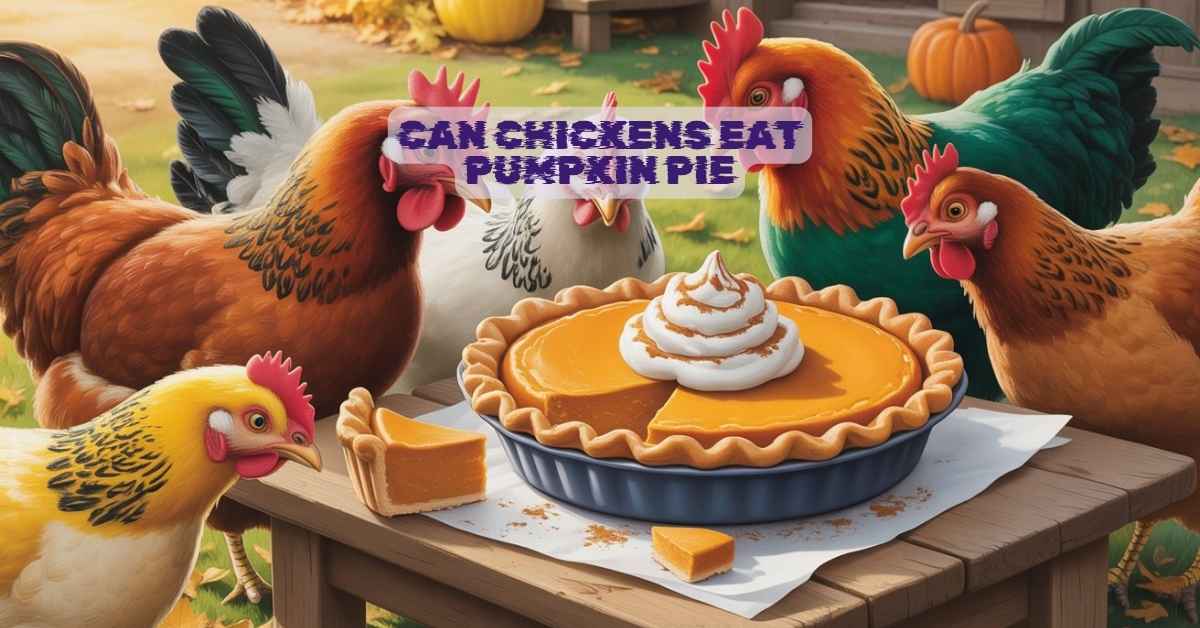
Can chickens eat pumpkin pie? The short answer is no—pumpkin pie is not recommended for chickens, although a tiny accidental bite is unlikely to cause serious harm.
While plain pumpkin is highly nutritious for poultry, pumpkin pie contains high sugar, dairy, fats, and spices like nutmeg, which can disrupt a chicken’s digestive system and overall health. For a safe and balanced poultry diet, it’s always better to stick with natural, unprocessed foods.
Can Chickens Eat Pumpkin Pie Safely?
Chickens are natural foragers that thrive on grains, seeds, vegetables, and insects. Feeding them processed human foods like pumpkin pie introduces ingredients their bodies are not designed to handle.
A small bite once in a while may not be dangerous, but regular feeding can lead to:
- Digestive imbalance
- Weight gain within 1–2 weeks
- Reduced egg production
The key principle here is simple: just because chickens can eat something doesn’t mean they should.
Why This Question Matters
Many backyard chicken owners assume:
- Pumpkin is healthy → pumpkin pie must also be safe
This assumption is misleading. Pumpkin itself is beneficial, but when combined with sugar, butter, and spices, it becomes a processed dessert unsuitable for chickens.
Why Pumpkin Pie Is Not Ideal for Chickens
Processed Food vs Natural Diet
Chickens need a balanced poultry diet, not processed foods. Pumpkin pie falls into the category of:
- Refined carbohydrates
- High-fat desserts
- Artificial or additive-rich foods
These disrupt the natural gut health of chickens.
High Sugar Content and Its Impact
A single slice of pumpkin pie contains:
- ~20–30g of sugar
For chickens, even small amounts of refined sugar can:
- Cause digestive issues within 6–24 hours
- Lead to fat accumulation
- Reduce appetite for nutritious feed
Dairy and Fat Digestion Issues
Pumpkin pie includes:
- Butter
- Cream or milk
Chickens have limited ability to digest dairy, which may cause:
- Loose droppings
- Gut imbalance
The fat content (~10–15g per slice) further increases the risk of obesity and fatty liver problems.
Artificial Ingredients and Preservatives
Store-bought pies often include:
- Preservatives
- Flavor enhancers
- Artificial sweeteners
These are not suitable for poultry consumption and can harm long-term health.
Ingredient Breakdown: What Makes Pumpkin Pie Unsafe?
Understanding each ingredient helps explain the risks more clearly.
Pumpkin (Safe Component)
Pumpkin itself is:
- ~90% water
- Low calorie (~25–30 kcal per 100g)
- Rich in vitamin A and beta-carotene
It supports:
- Immune system
- Feather health
- Digestion
Sugar (Major Risk Factor)
Refined sugar is the biggest problem:
- Disrupts gut bacteria
- Leads to rapid weight gain
- Offers no nutritional value
Nutmeg and Spices (Toxic Risk)
Nutmeg contains myristicin, a compound that can be toxic in animals. Even small repeated exposure may cause:
- Nervous system issues
- Digestive distress
Butter and Cream (Fat Overload)
High fat intake can:
- Cause fatty liver syndrome
- Increase body weight quickly
- Reduce egg production
Pie Crust (Refined Carbohydrates)
Pie crust is made from:
- White flour
- Processed fats
This provides:
- Empty calories
- No essential nutrients
What Happens If Chickens Eat Pumpkin Pie?
Immediate Effects (6–24 Hours)
After eating pumpkin pie, chickens may show:
- Loose droppings
- Mild digestive upset
Short-Term Effects (1–2 Weeks)
If fed repeatedly:
- Noticeable weight gain
- Reduced activity levels
Long-Term Risks
Over time, feeding sugary foods can lead to:
- Nutritional imbalance
- Decline in egg production
- Poor overall flock health
How Much Pumpkin Pie Is Too Much?
The golden rule in poultry feeding is:
Treats should never exceed 10% of the total diet
Safe Feeding Limit
| Type | Recommendation |
|---|---|
| Pumpkin Pie | ❌ Avoid |
| Accidental Intake | Tiny bite only |
| Regular Feeding | Not recommended |
Why Even Small Quantities Matter
Chickens have small digestive systems. Even a small sugary treat can:
- Replace nutrient-rich feed
- Disrupt gut balance
Can Chickens Eat Pumpkin Pie Ingredients Separately?
This is where things change—some ingredients are actually beneficial.
Plain Pumpkin (Highly Beneficial)
Plain pumpkin is one of the best natural chicken treats:
- Supports digestion
- Boosts immunity
Pumpkin Seeds (Safe and Nutritious)
The Pumpkin seeds provide:
- Protein
- Healthy fats
- Natural deworming properties (commonly believed)
Pumpkin Puree (Unsweetened Only)
Unsweetened puree is safe in moderation:
- Easy to digest
- Rich in nutrients
Spices and Sugar (Avoid Completely)
These ingredients are:
- Not natural to poultry diets
- Potentially harmful
Safe Alternatives to Pumpkin Pie for Chickens
Instead of feeding desserts, choose natural options.
Healthy Alternatives
| Food | Benefit |
|---|---|
| Raw Pumpkin | High vitamins |
| Pumpkin Seeds | Protein + fats |
| Leafy Greens | Nutrient-rich |
| Grains | Energy source |
Health Benefits of Plain Pumpkin for Chickens
Boosts Immune System
Rich in vitamin A, pumpkin strengthens immunity.
Supports Digestion
Fiber helps maintain a healthy gut system.
Helps During Molting
Chickens need extra nutrients during molting, and pumpkin supports:
- Feather regrowth
- Energy levels
Provides Natural Vitamins
Pumpkin delivers:
- Vitamins A, B, C
- Zinc for immune support
Can Chickens Eat Other Desserts or Human Foods?
Chickens can eat some human foods, but desserts are rarely safe.
Safe vs Unsafe Foods
| Category | Examples |
|---|---|
| Safe | Vegetables, grains |
| Unsafe | Sugary desserts, processed foods |
Why Processed Foods Are Risky
Processed foods contain:
- High sugar
- Artificial additives
- Unbalanced nutrients
Treat vs Complete Feed Concept
A chicken’s diet should be:
- 90% balanced feed
- ≤10% treats
What to Do If Your Chickens Eat Pumpkin Pie
Accidents happen, especially with leftovers.
Monitor Symptoms (6–24 Hours)
Watch for:
- Diarrhea
- Lethargy
Provide Clean Water and Balanced Feed
Fresh water helps flush out excess sugar.
When to Take Action
If symptoms persist beyond 24 hours, consider consulting a vet.
Common Feeding Mistakes Chicken Owners Make
Feeding Leftovers Too Often
Human food is not always suitable for chickens.
Ignoring Sugar Content
Many treats contain hidden sugars.
Confusing Safe vs Unsafe Foods
Pumpkin is safe—but pumpkin pie is not.
Lack of Portion Control
Overfeeding treats leads to:
- Health issues
- Poor egg production
LEARN MORE: Can Chickens Eat Black Oil Sunflower Seeds
Expert Feeding Tips for a Healthy Chicken Diet
Stick to Natural Foods
Focus on:
- Whole grains
- Fresh vegetables
Limit Treats to ≤10%
This ensures balanced nutrition.
Rotate Healthy Treat Options
Avoid feeding the same treat repeatedly.
Focus on Nutritional Balance
Healthy chickens produce:
- Better eggs
- Stronger feathers
Pumpkin Feeding Chart for Chickens
| Food Type | Safe? | Amount | Frequency |
|---|---|---|---|
| Pumpkin Pie | ❌ No | Tiny bite | Rare |
| Plain Pumpkin | ✅ Yes | 1–2 tbsp | 2–3x/week |
| Pumpkin Seeds | ✅ Yes | Small handful | 2–3x/week |
Pumpkin Pie vs Plain Pumpkin for Chickens
Nutritional Differences
| Factor | Pumpkin Pie | Plain Pumpkin |
|---|---|---|
| Sugar | High | Low |
| Fat | High | Very low |
| Nutrients | Low | High |
Health Impact Comparison
Pumpkin pie:
- Causes imbalance
Plain pumpkin:
- Supports health
Which One Should You Choose?
Always choose plain pumpkin for a safe, nutritious option.
FAQs
Can chickens eat pumpkin pie filling?
No, because it contains sugar and spices that are unsafe.
Is pumpkin pie toxic to chickens?
Not highly toxic in small amounts, but not safe for regular feeding.
Can chickens eat sweets or sugar?
They should avoid sugar as much as possible.
Can chickens eat canned pumpkin safely?
Yes, if it’s unsweetened and plain.
What foods should chickens never eat?
Avoid:
- Chocolate
- Processed desserts
- Salty foods
Final Verdict: Should You Feed Pumpkin Pie to Chickens?
Pumpkin pie is not a suitable food for chickens due to its high sugar, fat, and potentially harmful ingredients like nutmeg. While a small accidental bite may not cause serious harm, regular feeding can lead to digestive issues, weight gain, and reduced egg production.
The best approach is simple:
- Avoid processed desserts
- Stick to natural, whole foods
- Use treats wisely (≤10% of diet)
When you focus on proper nutrition, your flock will stay healthier, more active, and more productive.