
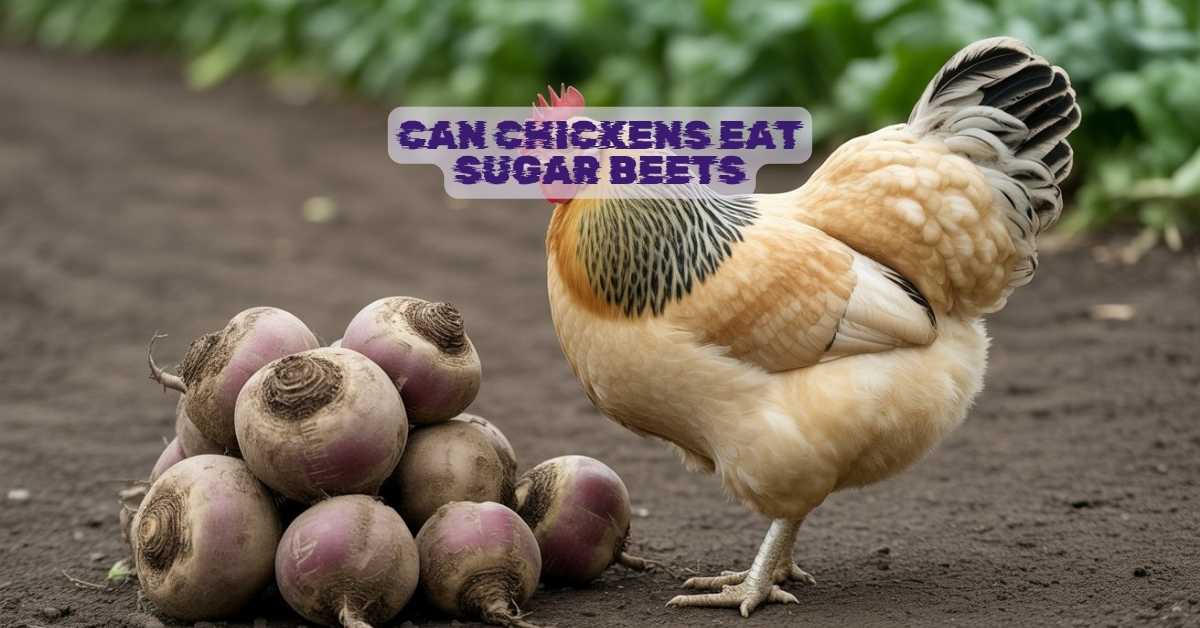
Can chickens eat sugar beets? Yes—chickens can eat sugar beets, but only in moderation due to their high sugar content. When prepared properly (chopped, cooked, or soaked as beet pulp), sugar beets can serve as an energy-rich supplement in a balanced poultry diet.
However, overfeeding can lead to digestive issues, weight gain, and nutritional imbalance, so they should always be treated as an occasional addition—not a staple feed.
Are Sugar Beets Safe for Chickens?
Sugar beets are widely used in agriculture as livestock feed, but their suitability for chickens depends on how they are fed and in what quantity.
Are Sugar Beets Toxic or Harmful?
Sugar beets are not toxic to chickens. There are no poisonous compounds that make them dangerous. The concern comes from their naturally high sugar levels, which can affect a chicken’s digestive system if overfed.
Unlike toxic plants, sugar beets fall into the category of safe but controlled foods.
Why Sugar Content Matters in a Chicken’s Diet
Chickens thrive on a balanced poultry diet that includes protein, fats, vitamins, and controlled carbohydrates. Sugar beets are rich in carbohydrates:
- Around 8–10g carbohydrates per 100g
- About 6–8g natural sugar
While this provides quick energy, excessive sugar can:
- Disrupt gut health
- Cause loose droppings
- Lead to unnecessary weight gain
That’s why sugar beets should only make up 5–10% of the total diet.
Nutritional Value of Sugar Beets for Chickens
Despite the sugar concern, sugar beets offer several nutritional benefits when used correctly.
Key Nutrients in Sugar Beets
| Nutrient (Per 100g) | Approx Value | Benefit |
|---|---|---|
| Carbohydrates | 8–10 g | Energy source |
| Sugar | 6–8 g | Quick energy boost |
| Fiber | 2–3 g | Supports digestion |
| Potassium | ~300 mg | Electrolyte balance |
| Vitamin C | 5–10 mg | Immune support |
These nutrients make sugar beets a useful supplemental feed, especially during colder months.
Benefits for Chicken Health
When fed properly, sugar beets can:
- Provide quick energy for active chickens
- Support digestive health through fiber
- Help maintain hydration due to water content
Many backyard poultry keepers use them as a natural energy feed for chickens, particularly in winter.
How to Feed Sugar Beets to Chickens (Step-by-Step)
Preparation plays a crucial role in safety and digestibility.
Feeding Raw Sugar Beets
Raw sugar beets can be fed, but only when:
- Chopped into small pieces (1–2 cm chunks)
- Given in limited quantities
Large chunks can create a choking hazard, especially for smaller birds.
Cooking Sugar Beets (Best for Digestion)
Cooking improves both safety and digestibility.
Process:
- Wash and chop the beets
- Boil for 20–30 minutes
- Let them cool before feeding
Cooked beets are softer, easier to digest, and safer for all flock sizes.
Feeding Beet Pulp (Highly Important)
Beet pulp is one of the most overlooked yet valuable forms.
Key preparation steps:
- Soak dry beet pulp for 12–24 hours
- It expands 2–3× its size
- Feed in small portions only
Beet pulp is widely used as an energy-rich livestock feed, but must always be soaked to prevent digestive issues.
How Much Sugar Beets Should Chickens Eat?
Moderation is the golden rule.
| Feeding Type | Recommended Amount |
|---|---|
| Mixed into feed | 1–2 tablespoons per bird |
| Fresh/cooked beets | Small handful per flock |
| Total diet | 5–10% maximum |
Exceeding this can lead to nutritional imbalance.
How Often Can Chickens Eat Sugar Beets?
Frequency matters just as much as quantity.
- Feed 2–3 times per week
- Introduce gradually over 3–7 days
- Use as a treat, not a staple food
This ensures chickens gain benefits without negative effects.
Raw vs Cooked vs Beet Pulp: Which Is Best?
| Type | Pros | Cons |
|---|---|---|
| Raw | Easy, natural | Hard texture, choking risk |
| Cooked | Soft, digestible | Requires preparation |
| Beet Pulp | High energy, efficient | Needs soaking |
For most poultry keepers, cooked beets offer the best balance of safety and nutrition.
Sugar Beets vs Regular Beets vs Fodder Beets
Understanding the differences helps optimize feeding.
| Type | Sugar Level | Best Use |
|---|---|---|
| Sugar Beets | High | Energy supplement |
| Regular Beets | Moderate | General feeding |
| Fodder Beets | Balanced | Livestock feed |
Sugar beets are the most energy-dense option, but require stricter portion control.
Can Chickens Eat Beet Greens, Leaves, and Stems?
Yes, and in many cases, they are more beneficial than the root.
- Leaves are rich in vitamins and minerals
- Stems provide fiber
However, feed them in moderation due to oxalic acid content.
Can Baby Chicks Eat Sugar Beets?
Baby chicks have delicate digestive systems.
Safe approach:
- Only feed soft, cooked beets
- Offer very small portions
- Avoid raw or hard pieces
This ensures proper growth without digestive stress.
Benefits of Sugar Beets for Chickens
Sugar beets offer several practical advantages:
- Energy-rich feed for cold weather
- Cost-effective addition to poultry diets
- Readily available in farming regions
They are especially valuable for homesteaders looking to reduce feed costs.
Risks and Side Effects of Feeding Sugar Beets
While beneficial, sugar beets come with risks if misused.
High Sugar Intake Problems
Too much sugar can:
- Cause weight gain
- Disrupt metabolic balance
Digestive Issues
Overfeeding may lead to:
- Loose droppings
- Gut imbalance
Chickens typically adjust within 3–5 days, but excess intake can worsen symptoms.
Choking Hazard
Large or hard pieces increase choking risk. Always:
- Chop into smaller sizes
- Cook when possible
Common Mistakes When Feeding Sugar Beets
Many poultry keepers unintentionally create problems by:
- Feeding too much too quickly
- Skipping preparation steps
- Ignoring balanced feed ratios
Avoiding these mistakes ensures safe and effective feeding.
Seasonal Feeding Strategy for Sugar Beets
Sugar beets are particularly useful in certain seasons.
- Winter: Excellent energy boost
- Summer: Use sparingly due to sugar content
- Year-round: Store as pulp or cooked portions
This makes them a valuable part of seasonal poultry feeding strategies.
Sustainable & Cost-Effective Chicken Feeding
Sugar beets are a smart option for sustainable farming.
They:
- Are relatively inexpensive
- Provide high energy per serving
- Reduce reliance on commercial feeds
For backyard farmers, this supports a more sustainable poultry system.
LEARN MORE: Can Chickens Eat Stinging Nettles
Scientific Perspective: Sugar in Poultry Diet
From a nutritional standpoint:
- Carbohydrates provide quick energy
- Excess sugar converts into fat storage
- Balanced intake supports optimal health
This explains why moderation is essential in feeding high-sugar vegetables like sugar beets.
Case Study: Real Feeding Example
A backyard flock owner introduced beet pulp into feed at 5% of total diet.
After one week:
- Chickens showed increased activity
- No digestive issues observed
- Feed costs slightly reduced
However, increasing beyond this led to loose droppings, reinforcing the importance of moderation.
FAQs
Can chickens eat sugar beets every day?
No, they should be fed 2–3 times per week only.
Can chickens eat raw sugar beets safely?
Yes, but only in small, chopped pieces to avoid choking.
Is beet pulp good for chickens?
Yes, when properly soaked (12–24 hours), it becomes a safe, energy-rich feed.
Are sugar beets too sugary for chickens?
They are high in sugar, which is why they must be fed in moderation.
What vegetables should chickens avoid?
Avoid foods that are toxic or overly processed, and limit high-sugar vegetables like sugar beets.
Final Verdict: Should You Feed Sugar Beets to Chickens?
Sugar beets are a safe and beneficial addition to a chicken’s diet when used correctly.
To summarize:
- ✔ Safe but high in sugar
- ✔ Best fed 2–3 times per week
- ✔ Should not exceed 5–10% of total diet
- ✔ Cooked or soaked forms are safest
If used properly, sugar beets can become a valuable, energy-rich supplement that supports your flock without compromising health.