
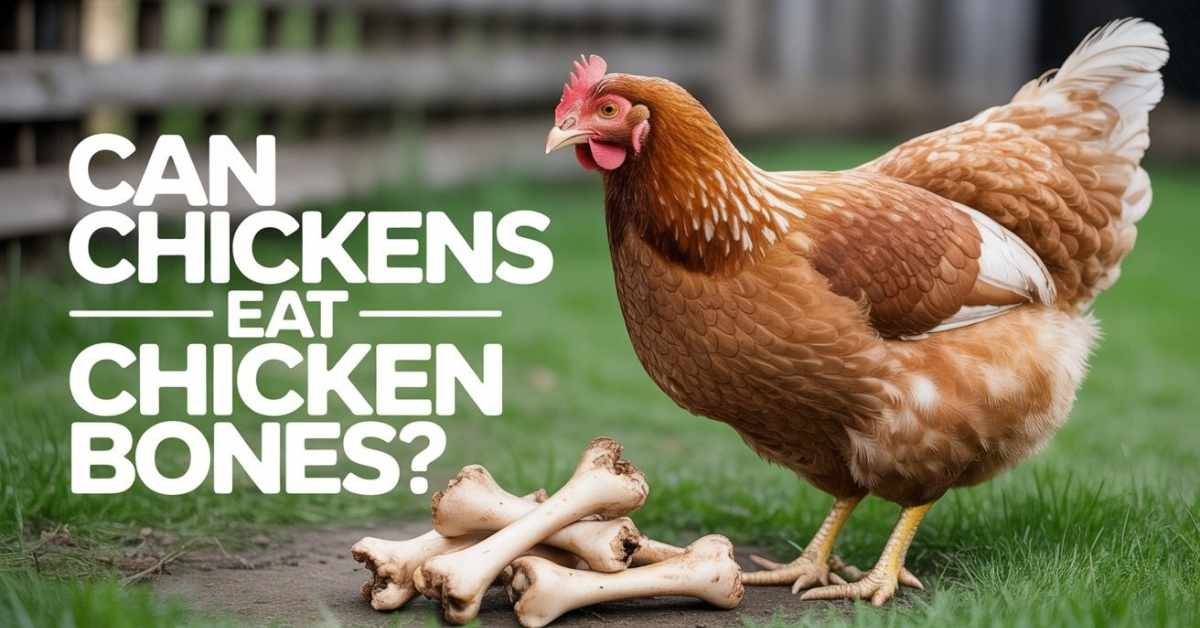
Can chickens eat chicken bones? Yes, chickens can eat some chicken bones safely, especially small raw or soft bones in moderation. Chickens are natural omnivores with strong digestive systems and powerful gizzards that help grind food. However, cooked chicken bones can splinter into sharp fragments, creating choking hazards, digestive blockage risks, and possible internal injuries. While chicken bones may provide calcium, phosphorus, collagen, and protein residue, safe feeding practices and moderation are extremely important for backyard flock health.
Many chicken keepers become surprised the first time they see their flock pecking at leftover chicken scraps or carcasses. Since chickens naturally scavenge for protein and minerals, eating meat scraps and bones is not unusual behavior. Still, understanding the difference between raw vs cooked chicken bones, safe portion sizes, and potential digestive risks can help prevent serious poultry health problems.
Quick Answer: Are Chicken Bones Safe for Chickens?
| Question | Answer |
|---|---|
| Can chickens eat chicken bones? | Yes, carefully |
| Are cooked chicken bones safe? | Usually risky |
| Are raw chicken bones safer? | Generally yes |
| Main danger | Bone splintering |
| Can chickens digest bones? | Small soft bones |
| Safe feeding frequency | Occasionally only |
| Best alternative calcium source | Oyster shells |
Why Chickens Naturally Eat Bones
Many people assume chickens only eat grains and vegetables, but chickens are actually natural omnivores.
In the wild and on farms, chickens regularly consume:
- insects,
- worms,
- small animals,
- meat scraps,
- and even bones.
Natural Scavenger Behavior
Chickens have strong scavenging instincts. Backyard flocks often peck:
- leftover carcasses,
- soft tissues,
- bone marrow,
- and protein scraps.
This behavior may look unusual to new poultry owners, but it is part of their natural feeding habits.
“Chickens are opportunistic eaters and will consume high-protein foods whenever available.”
Their strong pecking behavior and powerful digestive system help them process many foods that seem difficult to eat.
Nutritional Benefits of Chicken Bones for Chickens
Chicken bones contain several nutrients useful for poultry health.
Chicken Bone Nutrition Table
| Nutrient | Benefit for Chickens |
|---|---|
| Calcium | Supports eggshell strength |
| Phosphorus | Helps bone development |
| Collagen | Supports connective tissues |
| Protein residue | Extra protein source |
| Bone marrow | Minerals and fats |
For laying hens, calcium and phosphorus are especially important because they support:
- egg production,
- skeletal strength,
- and mineral balance.
However, bones should never replace balanced poultry feed or proper calcium supplementation.
Are Chicken Bones Safe for Chickens?
The answer depends mainly on:
- bone type,
- preparation method,
- and portion size.
Can Chickens Eat Chicken Bones Safely?
Small soft bones are usually safer than large hard bones. Raw bones are also generally less dangerous than cooked bones because they remain softer and less brittle.
Still, risks exist.
Potential Risks of Feeding Chicken Bones
Bone Splintering
Cooked bones become dry and brittle during cooking. This may cause sharp bone splinters that can injure the digestive tract.
Choking Hazards
Large bone pieces may become lodged in the throat or crop, especially for smaller birds.
Digestive Blockage
Sharp fragments can sometimes contribute to:
- impacted crop,
- digestive blockage,
- or intestinal irritation.
Bacterial Risks
Spoiled leftovers or undercooked chicken may contain bacteria like salmonella.
That is why food safety matters when feeding scraps to backyard chickens.
Cooked vs Raw Chicken Bones for Chickens
One of the most important poultry feeding questions is:
“Are raw chicken bones safer than cooked chicken bones?”
The answer is generally yes.
Can Chickens Eat Raw Chicken Bones?
Raw chicken bones are softer and less likely to splinter. Chickens may naturally peck small raw bones clean when scavenging carcasses.
Why Raw Bones Are Usually Safer
Raw bones tend to:
- remain flexible,
- contain moisture,
- and break down more naturally.
Small raw bones are often easier for the gizzard to process.
However, raw scraps should always be:
- fresh,
- clean,
- and free from spoilage.
Spoiled raw meat may introduce bacteria and digestive problems.
Can Chickens Eat Cooked Chicken Bones?
Cooked chicken bones are far more controversial.
Why Cooked Bones Are Dangerous
Cooking changes bone texture and makes bones:
- brittle,
- dry,
- and more likely to splinter.
Sharp cooked bone fragments may create:
- choking hazards,
- digestive injuries,
- and intestinal damage.
Cooked vs Raw Bone Comparison
| Feature | Raw Bones | Cooked Bones |
|---|---|---|
| Texture | Softer | Brittle |
| Splinter Risk | Lower | Higher |
| Digestion | Easier | Harder |
| Injury Risk | Lower | Higher |
| Feeding Safety | Moderate | Caution required |
Large roasted bones, smoked bones, and fried chicken bones are especially risky.
Can Chickens Digest Chicken Bones?
Chickens have surprisingly strong digestive systems.
How the Gizzard Helps Digest Bones
A chicken’s gizzard acts like a grinding organ. Small stones and grit inside the gizzard help crush food particles.
This powerful digestive system allows chickens to process:
- insects,
- seeds,
- shells,
- and some soft bones.
Can Chickens Break Down Bones Naturally?
Yes, chickens can digest:
- small soft bones,
- cartilage,
- marrow,
- and softer fragments.
However, large sharp pieces remain dangerous.
Risks of Poor Bone Digestion
Excessive or unsafe bones may contribute to:
- digestive blockage,
- crop impaction,
- reduced appetite,
- or internal digestive irritation.
Moderation remains extremely important.
Can Chickens Eat Chicken Carcasses?
Yes, chickens often peck leftover carcasses naturally.
Many backyard chicken keepers notice their flock cleaning meat from leftover chicken bones quickly.
Why Chickens Peck Carcasses
Chicken carcasses provide:
- protein,
- marrow,
- fat,
- and minerals.
This behavior reflects their natural scavenging instincts.
Risks of Feeding Chicken Carcasses
Large carcasses may create problems if:
- left too long,
- spoiled in heat,
- or heavily seasoned.
Spoilage increases bacterial contamination risk.
Food Safety Tips
Always:
- remove spoiled leftovers quickly,
- avoid rotten meat,
- and never leave carcasses sitting in the coop for long periods.
Can Chickens Eat Leftover Chicken Bones?
Many people wonder whether leftover kitchen scraps are safe for poultry.
Safe Leftover Bone Guidelines
Small leftovers may be acceptable if:
- unseasoned,
- fresh,
- and soft enough to avoid splintering.
Risks of Fried or Smoked Bones
Fried chicken bones and smoked bones are much riskier because they are:
- harder,
- brittle,
- heavily seasoned,
- and oily.
Highly seasoned leftovers may contain:
- excess sodium,
- garlic,
- onion powder,
- or unhealthy oils.
Processed scraps should remain limited.
Does Feeding Chickens Chicken Cause Cannibalism?
This is one of the most controversial poultry feeding questions.
Is Feeding Chicken to Chickens Cannibalism?
Technically, yes. Chickens eating chicken meat or carcasses falls under cannibalistic behavior.
However, chickens naturally scavenge protein sources and do not associate meat scraps with social aggression in the same way humans interpret it.
Natural Omnivore Behavior
Chickens are not strict herbivores. In nature, they consume:
- insects,
- worms,
- rodents,
- eggs,
- and meat scraps.
Can Feeding Bones Increase Aggression?
Usually, normal meat scraps alone do not create flock aggression.
Aggression problems are more commonly linked to:
- overcrowding,
- boredom,
- stress,
- and blood attraction.
Still, some poultry keepers prefer avoiding chicken scraps entirely for ethical or management reasons.
What Types of Chicken Bones Are Safest?
Not all bones carry equal risk.
Safer Bone Types
| Bone Type | Safety Level |
|---|---|
| Soft raw bones | Safer |
| Neck bones | Moderate |
| Small wing bones | Moderate |
| Pressure-cooked bones | Softer |
| Large roasted bones | Risky |
| Fried bones | High risk |
Pressure-cooked bones sometimes soften enough to reduce splinter risks.
Still, moderation matters regardless of bone type.
What Chicken Bones Should Chickens Avoid?
Some bones are clearly unsafe for poultry.
Avoid These Bones
| Unsafe Bone Type | Reason |
|---|---|
| Fried chicken bones | Brittle + oily |
| Smoked bones | Hard texture |
| Large cooked bones | Splinter risk |
| Sharp roasted bones | Digestive injury |
| Highly seasoned bones | Sodium + additives |
Avoid heavily processed kitchen scraps whenever possible.
Can Baby Chicks Eat Chicken Bones?
No, chicken bones are generally unsafe for chicks.
Young chicks have:
- immature digestive systems,
- smaller throats,
- and weaker digestive capacity.
Better Protein Alternatives for Chicks
Instead of bones, safer options include:
- starter feed,
- scrambled eggs,
- tiny mealworms,
- and balanced chick nutrition.
Bone fragments create unnecessary choking risks for young birds.
Can Laying Hens Eat Chicken Bones?
Laying hens may benefit from small amounts of calcium and phosphorus found in bones.
Potential Benefits for Layers
Small bone nutrients may support:
- eggshell quality,
- mineral balance,
- and protein intake.
However, hens still require:
- proper layer feed,
- oyster shells,
- and balanced calcium supplementation.
Bones should remain occasional treats only.
How Often Can Chickens Eat Chicken Bones?
Moderation is extremely important.
Recommended Feeding Frequency
| Chicken Type | Suggested Frequency |
|---|---|
| Adult chickens | 1–2 times weekly |
| Laying hens | Occasional only |
| Chicks | Avoid bones |
Portion Size Recommendations
Feed:
- small soft pieces only,
- never large hard bones,
- and avoid excessive leftovers.
Signs Chickens Ate Too Many Bones
Watch for:
- constipation,
- digestive upset,
- reduced appetite,
- lethargy,
- or crop problems.
LEARN MORE: Can Chickens Eat Bacon Grease
Safer Calcium Alternatives for Chickens
Chicken bones are not the best calcium source available.
Better Calcium Sources
| Calcium Source | Benefit |
|---|---|
| Oyster shells | Excellent calcium |
| Crushed eggshells | Natural supplement |
| Commercial calcium feed | Balanced minerals |
| Layer pellets | Complete nutrition |
These alternatives are safer and easier to manage than feeding bones regularly.
Better Protein Treat Alternatives for Chickens
If you want healthy protein-rich treats, several options are safer than chicken bones.
Healthy Protein Snacks
| Treat | Main Benefit |
|---|---|
| Mealworms | Protein |
| Scrambled eggs | Amino acids |
| Fish scraps | Omega fats |
| Sunflower seeds | Healthy fats |
| Oats | Energy |
Balanced treats support poultry nutrition without increasing digestive risks.
Common Mistakes When Feeding Chicken Bones
Many flock owners accidentally create feeding problems.
Feeding Large Cooked Bones
This is the biggest mistake because cooked bones splinter easily.
Ignoring Spoilage
Spoiled carcasses may introduce harmful bacteria.
Overfeeding Meat Scraps
Too many scraps may reduce balanced feed intake.
Ignoring Poultry Nutrition
Treats should never replace complete poultry feed.
Expert Tips for Feeding Meat Scraps Safely
Experienced poultry keepers usually follow several practical rules.
“Treat scraps as supplements, not primary nutrition.”
Best Practices
- Feed bones occasionally.
- Prioritize balanced poultry feed.
- Remove spoiled leftovers quickly.
- Avoid heavily seasoned scraps.
- Monitor flock behavior carefully.
Simple feeding habits often prevent larger flock health problems.
Foods Chickens Should Never Eat
While some bones may be acceptable, certain foods remain dangerous for poultry.
Toxic Foods for Chickens
| Unsafe Food | Risk |
|---|---|
| Chocolate | Toxic compounds |
| Avocado | Persin toxin |
| Moldy food | Harmful fungi |
| Raw beans | Toxic lectins |
Avoid unsafe kitchen scraps whenever possible.
Frequently Asked Questions
Can chickens choke on chicken bones?
Yes, especially large sharp cooked bones.
Can chickens digest cooked bones?
Some small fragments may pass through, but