
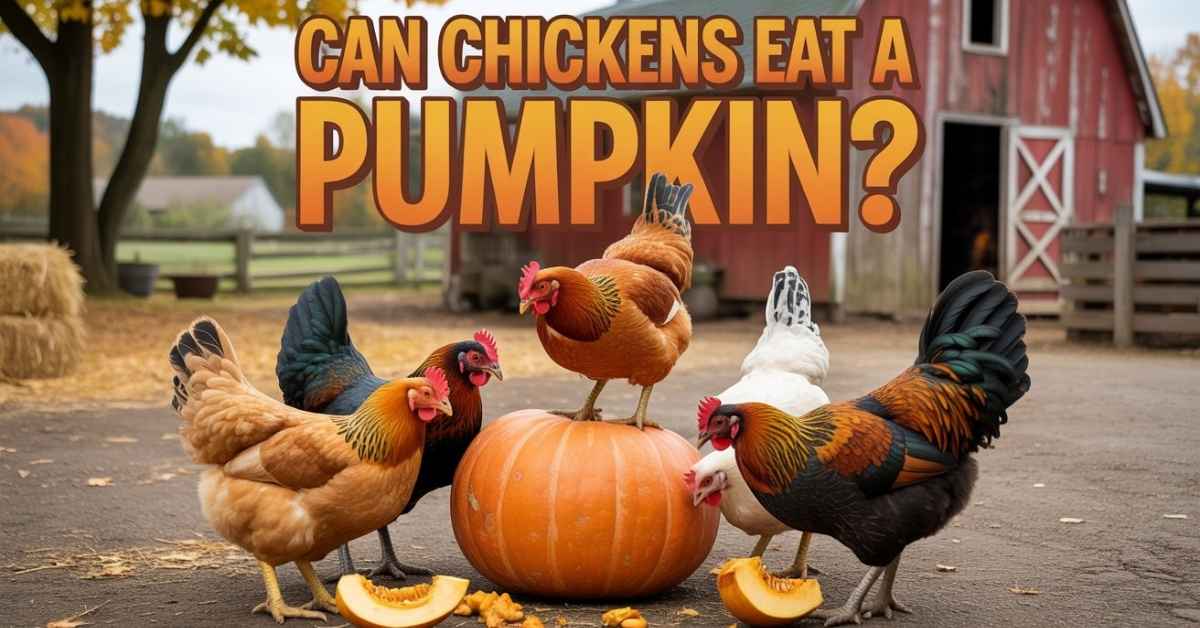
Can chickens eat a pumpkin? Yes, chickens can safely eat pumpkin in moderation. Pumpkin flesh, seeds, pulp, and even soft pumpkin skin are healthy treats for backyard chickens and provide important nutrients like vitamin A, fiber, beta carotene, antioxidants, and hydration support. However, pumpkins should only supplement a balanced poultry diet rather than replace regular feed.
Pumpkins are one of the most popular seasonal treats for backyard flocks because chickens naturally enjoy pecking at soft vegetables. From raw pumpkin and cooked pumpkin to pumpkin seeds and pumpkin guts, most parts of a pumpkin are safe for poultry when served properly. Still, chicken owners should avoid moldy pumpkin, sugary pumpkin pie filling, and spoiled leftovers because they may harm flock health.
This complete guide explains the benefits, risks, feeding methods, and best practices for feeding pumpkin to chickens safely.
Are Pumpkins Safe for Chickens?
Yes, pumpkins are generally considered safe and healthy for chickens.
Fresh pumpkin contains nutrients that support:
- poultry nutrition
- digestive health
- hydration
- natural foraging behavior
- flock enrichment
Many backyard chicken keepers use pumpkins as seasonal treats during fall and winter.
Can Chickens Eat Pumpkin Safely?
Yes, chickens can safely eat:
- pumpkin flesh
- pumpkin pulp
- pumpkin guts
- pumpkin seeds
- soft pumpkin skin
Pumpkin is easy for chickens to peck and digest, especially when cut into manageable pieces.
Why Chickens Naturally Enjoy Pumpkin
Chickens are curious foragers by nature. Bright-colored vegetables like pumpkin attract their attention because they:
- encourage pecking enrichment
- reduce boredom
- stimulate natural feeding behavior
Whole pumpkins often become flock entertainment inside chicken runs.
Are All Types of Pumpkins Safe?
Most pumpkin varieties are safe, including:
- pie pumpkins
- jack-o’-lantern pumpkins
- sugar pumpkins
- decorative pumpkins
However, decorative pumpkins with:
- paint
- glitter
- chemical coatings
- artificial decorations
should not be fed to chickens.
Ornamental squash should also be introduced carefully because some decorative varieties may taste bitter or contain compounds that upset digestion.
Nutritional Benefits of Pumpkin for Chickens
Pumpkin is more than a tasty seasonal treat. It is also nutrient-dense.
Vitamins and Minerals in Pumpkin
Pumpkin contains several nutrients that support backyard flock health.
| Nutrient | Potential Benefit |
|---|---|
| Vitamin A | Vision and feather health |
| Vitamin E | Immune support |
| Vitamin B6 | Energy metabolism |
| Potassium | Muscle function |
| Iron | Blood health |
| Zinc | Immune and skin support |
These nutrients help support healthy laying hens and active free-range chickens.
Beta Carotene and Antioxidants
Pumpkin is naturally rich in beta carotene, which converts into vitamin A inside the body.
Antioxidants may help:
- support immune function
- protect cells
- improve feather condition
- support healthy skin
This makes pumpkin an excellent seasonal vegetable for backyard poultry.
Fiber and Digestive Health Benefits
Pumpkin contains dietary fiber that may support:
- healthy digestion
- gut balance
- regular droppings
Fiber-rich vegetables can help diversify a chicken’s diet naturally.
Hydration Benefits of Pumpkin
Fresh pumpkin contains significant moisture content, making it useful during:
- warm weather
- dry seasons
- winter indoor confinement
Hydration support is especially important for laying hens.
Can Chickens Eat Pumpkin Seeds?
Yes, pumpkin seeds are safe for chickens in moderation.
Are Pumpkin Seeds Safe for Chickens?
Chickens can safely eat:
- raw pumpkin seeds
- dried pumpkin seeds
- crushed seeds
- seed-filled pumpkin guts
Pumpkin seeds provide:
- healthy fats
- protein
- antioxidants
- zinc
Many chickens enjoy pecking directly into opened pumpkins.
Nutritional Benefits of Pumpkin Seeds
Pumpkin seeds are surprisingly nutrient-rich.
| Nutrient | Benefit for Chickens |
|---|---|
| Protein | Muscle support |
| Healthy fats | Energy |
| Zinc | Immune support |
| Iron | Blood function |
| Antioxidants | Cellular protection |
These nutrients make pumpkin seeds healthy chicken snacks when fed responsibly.
Do Pumpkin Seeds Deworm Chickens?
Many chicken keepers believe pumpkin seeds naturally deworm chickens because they contain cucurbitacin compounds.
However, scientific evidence remains limited.
Pumpkin seeds should not replace:
- veterinarian-approved treatments
- proper parasite control
- flock health monitoring
Still, many poultry owners include pumpkin seeds as part of a varied natural diet.
Should Pumpkin Seeds Be Crushed?
Adult chickens can usually handle whole pumpkin seeds, but crushing seeds may help:
- smaller breeds
- young birds
- baby chicks
Crushed seeds are easier to peck and digest.
Raw vs Cooked Pumpkin for Chickens
Both raw and cooked pumpkin can be safe.
Can Chickens Eat Raw Pumpkin?
Yes, raw pumpkin is one of the most common forms fed to chickens.
Benefits include:
- natural texture
- pecking enrichment
- hydration
- fiber
Raw pumpkin chunks are especially popular in backyard flocks.
Can Chickens Eat Cooked Pumpkin?
Yes, plain cooked pumpkin is safe if it contains no:
- salt
- butter
- sugar
- spices
Cooked pumpkin becomes softer and easier to digest, especially for older chickens.
Can Chickens Eat Canned Pumpkin?
Plain canned pumpkin puree may be safe occasionally, but avoid:
- pumpkin pie filling
- sugary canned products
- heavily processed pumpkin
Some canned products contain:
- preservatives
- excess sugar
- sodium
- artificial ingredients
Fresh pumpkin is always the healthiest option.
Frozen Pumpkin for Chickens
Frozen pumpkin can work well during hot weather.
Some flock owners freeze pumpkin cubes as refreshing summer treats for chickens.
However, frozen pumpkin should still remain:
- plain
- unseasoned
- mold-free
Can Chickens Eat Pumpkin Skin, Pulp, and Guts?
Most pumpkin parts are edible for chickens.
Is Pumpkin Flesh Safe for Chickens?
Yes, pumpkin flesh is soft, nutritious, and easy to digest.
The bright orange flesh provides:
- beta carotene
- antioxidants
- fiber
- vitamins
Fresh pumpkin flesh is one of the healthiest vegetable treats for chickens.
Can Chickens Eat Pumpkin Skin?
Soft pumpkin skin is generally safe, though thicker skin may be harder for chickens to peck.
Cutting pumpkin into smaller pieces helps chickens access the softer interior more easily.
Can Chickens Eat Pumpkin Guts and Stringy Pulp?
Yes, pumpkin guts and pulp are safe.
Many chickens enjoy:
- stringy pulp
- moist fibers
- seed-filled centers
These parts encourage natural pecking activity and enrichment.
Halloween Pumpkin Safety for Chickens
Halloween creates a huge supply of leftover pumpkins.
Can Chickens Eat Leftover Halloween Pumpkins?
Yes, plain leftover pumpkins can become healthy flock treats if they are:
- fresh
- clean
- mold-free
Many backyard flock owners place whole pumpkins inside the run for entertainment and feeding.
Risks of Moldy or Rotten Pumpkin
Moldy pumpkin should never be fed.
Spoiled pumpkin may contain:
- mold toxins
- harmful bacteria
- fermentation byproducts
Rotten vegetables can cause digestive illness and poor flock health.
Painted and Decorative Pumpkins
Avoid pumpkins containing:
- paint
- glitter
- glue
- candles
- chemical sprays
Decorated pumpkins may expose chickens to harmful contaminants.
How Much Pumpkin Can Chickens Eat?
Even healthy treats should remain moderate.
The 90/10 Feeding Rule
Most poultry experts recommend:
- 90 percent balanced poultry feed
- 10 percent treats and scraps
| Food Type | Recommended Percentage |
|---|---|
| Poultry feed | 90% |
| Treats and vegetables | 10% |
Balanced poultry feed should always remain the primary nutrition source.
Pumpkin Treat Moderation
Too much pumpkin may contribute to:
- loose droppings
- reduced protein intake
- dietary imbalance
Moderation keeps pumpkin beneficial rather than excessive.
Signs Chickens Are Eating Too Much Pumpkin
Possible signs include:
- watery droppings
- reduced appetite
- messy coop conditions
- excessive treat-seeking behavior
Healthy flock snacks should complement—not replace—regular feeding.
Best Ways to Feed Pumpkin to Backyard Chickens
Preparation methods matter.
Cutting Pumpkin Into Safe Pieces
Small pumpkin chunks are easier for chickens to:
- peck
- swallow
- digest
Bite-sized pieces reduce waste and improve feeding access.
Whole Pumpkins as Enrichment
Whole pumpkins create:
- pecking enrichment
- natural foraging opportunities
- boredom reduction
Chickens often spend hours exploring opened pumpkins.
Mixing Pumpkin With Other Healthy Foods
Pumpkin pairs well with:
- grains
- leafy greens
- layer feed
- vegetables
This creates more balanced seasonal treats.
Seasonal Pumpkin Feeding Ideas
Pumpkin works especially well:
- during fall
- after Halloween
- during winter boredom periods
Cold-weather enrichment helps keep flocks active.
Can Baby Chicks Eat Pumpkin?
Yes, but moderation and preparation are important.
Is Pumpkin Safe for Chicks?
Small amounts of soft pumpkin may be introduced carefully.
However, chicks still require:
- starter feed
- balanced chick nutrition
- high protein intake
Best Pumpkin Forms for Young Chicks
Young chicks handle:
- mashed pumpkin
- finely chopped pumpkin
- soft cooked pumpkin
better than large chunks or thick skin.
Vegetables Chickens Can Eat Besides Pumpkin
Pumpkin is not the only healthy vegetable option.
Safe Vegetables for Backyard Chickens
| Vegetable | Main Benefit |
|---|---|
| Cucumbers | Hydration |
| Zucchini | Fiber |
| Squash | Vitamins |
| Lettuce | Moisture |
| Carrots | Beta carotene |
These vegetables provide healthy variety.
Healthy Seasonal Vegetables for Flocks
Seasonal vegetables may improve:
- enrichment
- nutrition diversity
- pecking stimulation
Rotating treats keeps chickens interested and active.
Vegetables Chickens Should Avoid
Avoid:
- moldy vegetables
- salty canned vegetables
- spoiled scraps
- heavily seasoned foods
Fresh, plain vegetables are safest.
Common Mistakes Chicken Owners Make With Pumpkin
Many flock owners unintentionally make feeding mistakes.
Feeding Moldy Pumpkins
Spoiled pumpkin can expose chickens to dangerous toxins.
Using Sugary Pumpkin Pie Filling
Pie filling often contains:
- sugar
- spices
- preservatives
which are unhealthy for chickens.
Overfeeding Pumpkin Seeds
Too many seeds may add excess fat and reduce balanced feed intake.
Replacing Balanced Feed With Pumpkin
Pumpkin should supplement regular nutrition—not replace it.
Ignoring Spoilage and Fermentation
Fermented pumpkin may upset digestion and should be discarded immediately.
LEARN MORE: Can Chickens Eat Peaches and Nectarines?
Expert Tips for Feeding Pumpkin to Chickens
Small feeding adjustments improve flock health.
Build a Balanced Chicken Diet
Healthy chickens need:
- balanced poultry feed
- protein
- calcium
- vitamins
- minerals
Treats should support—not dominate—the diet.
Use Pumpkin for Seasonal Enrichment
Pumpkins provide:
- boredom reduction
- flock entertainment
- pecking activity
especially during winter confinement.
Encourage Natural Pecking Activity
Scattering pumpkin pieces encourages:
- movement
- foraging
- stimulation
which benefits flock wellness.
Monitor Chickens After New Foods
Always observe:
- droppings
- appetite
- energy levels
- digestion
after introducing new foods.
Case Study: Backyard Flock and Fall Pumpkins
One backyard flock owner placed a leftover jack-o’-lantern pumpkin inside the chicken run after Halloween. The chickens immediately began pecking the pumpkin flesh, seeds, and pulp while spending hours interacting with the pumpkin as enrichment.
The flock owner later noticed mold developing after several rainy days and removed the pumpkin immediately to prevent spoilage risks.
This simple example highlights two important lessons:
- fresh pumpkin can be healthy enrichment
- spoiled pumpkin should always be removed quickly
Frequently Asked Questions About Chickens and Pumpkin
Can chickens eat a pumpkin?
Yes, chickens can safely eat pumpkin flesh, seeds, pulp, and soft skin in moderation.
Can chickens eat pumpkin seeds?
Yes, pumpkin seeds are healthy treats containing protein, zinc, and antioxidants.
Can chickens eat raw pumpkin?
Yes, raw pumpkin is safe and commonly fed to backyard chickens.
Can chickens eat cooked pumpkin?
Yes, plain cooked pumpkin without seasoning is safe.
Can chickens eat canned pumpkin?
Plain canned pumpkin may be safe occasionally, but sugary pie filling should be avoided.
Are pumpkin seeds good for chickens?
Yes, pumpkin seeds provide healthy fats, minerals, and protein.
Do pumpkin seeds deworm chickens?
Some flock owners believe this, but scientific evidence remains limited.
Can chickens eat pumpkin skin?
Yes, especially soft skin that chickens can peck easily.
Can chickens eat leftover Halloween pumpkins?
Yes, if the pumpkins are fresh and mold-free.
How much pumpkin can chickens eat?
Pumpkin should remain part of the 10 percent treat portion of the diet.
Conclusion
Can chickens eat a pumpkin? Yes, pumpkins are healthy, nutritious, and safe treats for backyard chickens when fed in moderation. Pumpkin flesh, seeds, pulp, and soft skin provide vitamins, antioxidants, hydration, fiber, and seasonal enrichment for flocks.
However, chickens should never eat:
- moldy pumpkin
- spoiled pumpkin
- sugary pumpkin pie filling
- chemically decorated pumpkins
Balanced poultry feed should always remain the primary nutrition source. When prepared safely, pumpkins become excellent seasonal treats that support natural pecking behavior, hydration, and healthy flock enrichment throughout the year.