
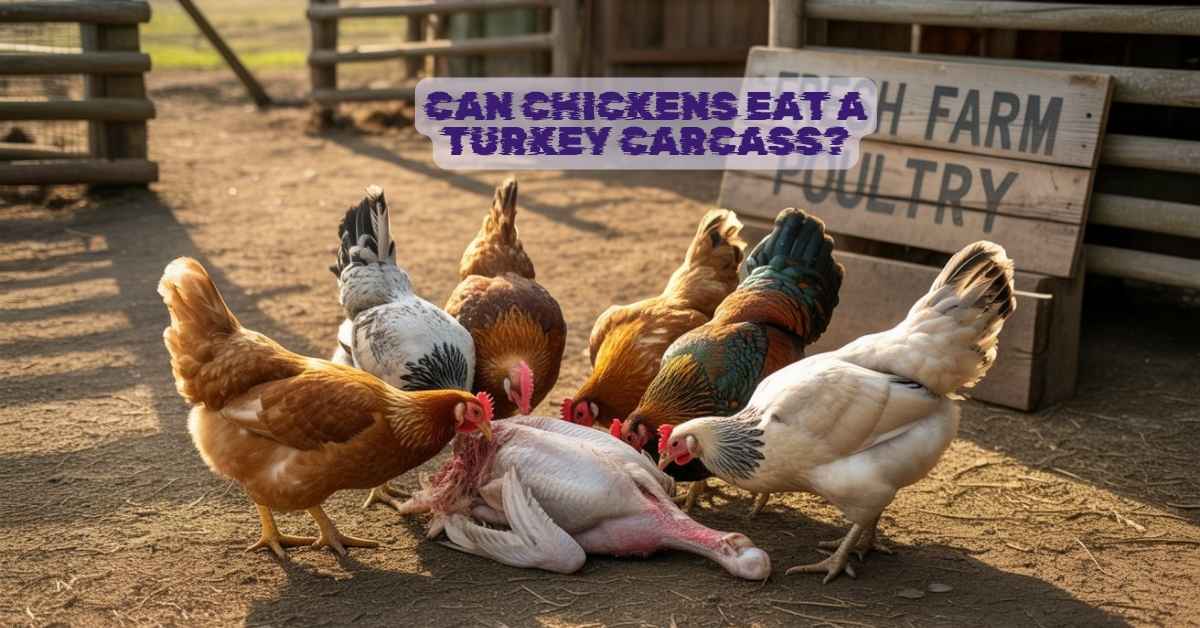
Can chickens eat a turkey carcass? Yes—chickens can eat a turkey carcass, but only under safe, controlled conditions. Chickens are natural omnivores and will happily peck at meat scraps, bones, and leftover poultry. However, feeding a turkey carcass comes with important risks such as bacterial contamination, bone hazards, and spoilage, which means it must be handled carefully.
If done correctly, a turkey carcass can be a high-protein treat that supports natural scavenging behavior. If done incorrectly, it can harm your flock. This guide explains everything you need to know—from safety rules and feeding methods to hygiene practices and expert tips—so you can make the right decision.
Are Turkey Carcasses Safe for Chickens?
Turkey carcasses are generally safe for chickens, but safety depends on how and when they are fed. Chickens naturally forage for insects, small animals, and even meat scraps. Feeding turkey leftovers aligns with their natural diet and scavenging behavior.
However, there’s a difference between:
- Safe feeding → fresh, controlled, supervised
- Unsafe feeding → spoiled, unsupervised, excessive
👉 The key principle: freshness and moderation determine safety.
Can Chickens Eat Meat and Bones?
Chickens are not strict herbivores. In fact, they are opportunistic omnivores, meaning they consume both plant and animal matter.
In the wild, chickens eat:
- insects and worms
- small animals
- meat scraps
This means feeding poultry meat, including turkey carcass, is completely natural.
What About Bones?
Chickens can:
- Peck at soft bones and connective tissue
- Extract nutrients like calcium and collagen
But they should avoid:
- Large, hard bones
- Sharp bone fragments
👉 Bone safety depends on size and condition.
Raw vs Cooked Turkey Carcass – Which Is Safer?
This is one of the most important factors.
Cooked Turkey Carcass
- Safer when fresh (≤24 hours old)
- Easier for chickens to tear apart
- Lower bacterial risk
Raw Turkey Carcass
- Higher risk of salmonella and bacteria
- Can spoil quickly
- Requires strict hygiene
👉 Cooked, fresh carcasses are the safest option for backyard chickens.
Nutritional Value of Turkey Carcass for Chickens
Turkey carcasses provide dense nutrition, but they are not balanced.
| Nutrient | Approx. Value | Benefit |
|---|---|---|
| Protein | ~25–30% | Muscle growth, egg production |
| Fat | ~10–20% | Energy source |
| Minerals | Moderate | Bone strength |
| Calcium (bones) | Variable | Eggshell support |
While these nutrients are beneficial, they are too concentrated to replace regular feed.
Benefits of Feeding Turkey Carcass to Chickens
When done properly, feeding a turkey carcass offers several advantages.
1. High Protein Intake
Turkey meat provides a rich protein source, helping support egg production and feather health.
2. Natural Behavior Stimulation
Chickens enjoy pecking and tearing meat, which encourages natural foraging instincts.
3. Waste Reduction
Using leftovers reduces food waste and supports sustainable poultry feeding.
Risks of Feeding a Turkey Carcass
Despite the benefits, there are real risks that must not be ignored.
1. Bacterial Contamination
Leaving a carcass out too long increases the risk of:
- Salmonella
- Bacterial growth
2. Spoilage and Decomposition
Meat begins decomposing within 12–24 hours, especially in warm conditions.
3. Bone Hazards
Large or sharp bones can cause:
- Choking
- Injury
4. Pest Attraction
Carcasses can attract:
- Rats
- Flies
- Predators
5. Protein Overload
Too much meat can disrupt the nutritional balance of a chicken’s diet.
How to Feed a Turkey Carcass to Chickens (Step-by-Step Guide)
This is where most competitors fail—practical guidance.
Step 1: Ensure Freshness
Use carcass within 24 hours of cooking.
Step 2: Break It Down
Cut or break into manageable sections to reduce choking risk.
Step 3: Controlled Placement
Place in a clean, designated feeding area.
Step 4: Supervise Feeding
Observe how your flock interacts with the carcass.
Step 5: Remove Leftovers
Take away remains within 2–4 hours (or 1–2 hours in hot weather).
👉 This process minimizes health risks and contamination.
How Much Turkey Carcass Can Chickens Eat?
Portion control is critical.
- Treat portion: ≤10–15% of total diet
- Feed only one carcass per flock per session
- Avoid overfeeding
👉 Too much meat can cause digestive imbalance.
How Often Can Chickens Eat Turkey Carcass?
Frequency guidelines:
- 1–2 times per week maximum
- Not suitable for daily feeding
- Rotate with other treats
👉 Consistency in a balanced poultry diet is more important than variety.
Bone Safety – Can Chickens Eat Turkey Bones?
Bone safety is one of the most debated topics.
Safe:
- Small, soft bones
- Cartilage
Unsafe:
- Large bones (>3–5 cm)
- Sharp or splintered bones
👉 Cutting the carcass into smaller sections can reduce choking risk by up to 50%.
Hygiene and Safety Guidelines
This is where your article gains a ranking edge.
Key Rules:
- Remove leftovers after 2–4 hours
- Clean feeding area immediately
- Avoid feeding spoiled meat
- Monitor flock health
Temperature Matters:
- Above 25–30°C, spoilage happens 2× faster
👉 Hygiene is just as important as feeding itself.
Can Baby Chicks Eat Turkey Carcass?
Young chicks require special care.
Age Guidelines:
- 0–4 weeks: No carcass feeding
- 4–8 weeks: Very limited introduction
- 16+ weeks: Safe in moderation
Chicks need:
- High-protein starter feed (18–20%)
- Balanced nutrients
👉 Meat should never replace starter feed.
Behavioral Concerns – Is This Cannibalism?
Many chicken owners worry about this.
The truth:
- Chickens eating meat is natural behavior
- It does not cause cannibalism
Cannibalism usually results from:
- Stress
- Overcrowding
- Nutritional deficiency
👉 Feeding meat does not make chickens aggressive.
Turkey Carcass vs Other Chicken Foods
Carcass vs Grains
- Grains: balanced nutrition
- Carcass: protein-heavy
The Carcass vs Commercial Feed
- Feed: complete diet
- Carcass: supplement only
Carcass vs Kitchen Scraps
- Scraps: variety
- Carcass: concentrated nutrients
👉 Balance is key.
Best Alternatives to Feeding a Turkey Carcass
If you want safer options:
- Grains (oats, wheat)
- Vegetables (spinach, carrots)
- Protein sources (mealworms)
These provide:
- Better nutrient balance
- Lower risk
Safe vs Unsafe Scraps for Chickens
Safe Scraps
- Cooked vegetables
- Grains
- Fruits (in moderation)
Unsafe Foods
- Moldy meat
- Spoiled food
- Highly processed scraps
Common Mistakes When Feeding Meat to Chickens
Many backyard keepers make these errors:
- Feeding spoiled carcass
- Leaving food too long
- Ignoring hygiene
- Overfeeding protein
Avoiding these ensures healthy chickens.
LEARN MORE: Can Chickens Eat Shredded Cheese?
Expert Feeding Tips for Backyard Chickens
Experienced poultry keepers follow simple rules:
- Maintain 85–90% feed ratio
- Rotate treats
- Monitor flock behavior
- Keep feeding areas clean
A balanced approach results in:
- Better egg production
- Stronger immune systems
- Healthier flocks
FAQs
Can chickens eat turkey carcass bones?
Yes, but only small, soft bones. Avoid large or sharp ones.
Is raw turkey safe for chickens?
Not recommended due to bacterial risk.
How long can you leave a carcass in the coop?
No more than 2–4 hours.
Can chickens eat leftover turkey meat?
Yes, if it’s fresh and unspoiled.
Will feeding meat make chickens aggressive?
No, it’s part of their natural omnivorous behavior.
Final Verdict: Should You Feed a Turkey Carcass to Chickens?
Turkey carcasses can be a safe and beneficial treat, but only when handled properly.
- ✅ Safe if fresh and controlled
- ⚠️ Requires hygiene and supervision
- ❌ Not a replacement for regular feed
👉 The best approach is balance. Use turkey carcass as an occasional supplement, not a dietary staple.
In simple terms: your chickens can eat a turkey carcass—but your management determines whether it helps or harms them.