
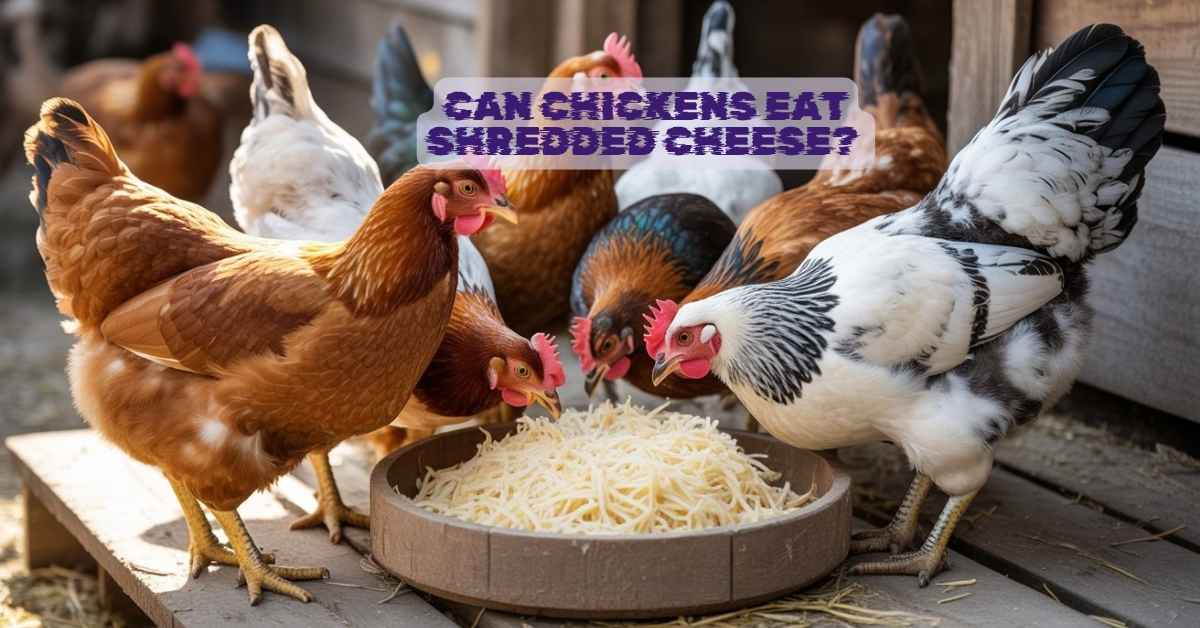
Can chickens eat shredded cheese? Yes, chickens can eat shredded cheese—but only in small amounts and as an occasional treat, not as a regular part of their diet. While cheese offers protein and calcium, chickens have a limited ability to digest lactose, and shredded cheese is often high in fat, sodium, and additives. Feeding too much can lead to digestive upset, weight gain, and nutritional imbalance.
If you’re raising backyard chickens, it’s natural to wonder whether dairy products like cheese are safe. This guide explains everything in clear, practical terms—from dairy digestion and nutritional value to portion sizes, feeding frequency, and healthier alternatives—so you can make informed choices for your flock.
Is Shredded Cheese Safe for Chickens?
Shredded cheese is not toxic to chickens. In fact, many flocks will eagerly peck at it when offered. However, safety does not mean suitability. Cheese is a processed dairy product, and chickens are not naturally adapted to consume dairy regularly.
Chickens thrive on a balanced poultry diet consisting mainly of grains, protein-rich feed, and natural foods. Cheese falls into the category of treats, meaning it should make up only a small portion of their overall intake.
👉 Think of shredded cheese as a snack, not a staple.
Can Chickens Digest Dairy Properly?
This is the most important factor to understand.
Chickens lack sufficient levels of lactase, the enzyme required to break down lactose (milk sugar). As a result, they are considered lactose-intolerant to some degree.
In small quantities:
- Chickens can tolerate cheese
- Fermented or aged cheeses contain less lactose
In larger amounts:
- Cheese can cause digestive upset
- Symptoms may include diarrhea and crop imbalance
👉 This is why moderation is critical when feeding any dairy product.
What Is Shredded Cheese Made Of?
Shredded cheese is typically made from common cheeses like cheddar or mozzarella, but it often contains additional components.
| Component | Role | Impact on Chickens |
|---|---|---|
| Cheese (milk-based) | Protein & fat source | Beneficial in small amounts |
| Fat content | Energy | Too much leads to obesity |
| Sodium | Flavor | High levels can stress kidneys |
| Anti-caking agents | Prevent clumping | Unnecessary additives |
Most packaged shredded cheese contains anti-caking agents (around 1–2%), which make it more processed than block cheese.
👉 This makes shredded cheese less ideal than natural, unprocessed foods.
Nutritional Value of Shredded Cheese for Chickens
Cheese does offer some nutrients, but balance is key.
| Nutrient | Amount (per ounce) | Effect |
|---|---|---|
| Protein | ~6–7g | Supports growth |
| Fat | ~9g | High energy, risk if excessive |
| Calcium | ~200mg | Helps eggshell strength |
| Sodium | ~150–200mg | Needs to be limited |
While these nutrients seem beneficial, the high fat and sodium levels outweigh the benefits if overfed.
Benefits of Feeding Cheese to Chickens
When used correctly, cheese can provide some advantages.
1. Calcium Support
Calcium helps with strong eggshell production, especially in laying hens.
2. Protein Boost
Cheese contains casein protein and amino acids, which can support body maintenance.
3. Occasional Energy Source
The fat content provides a quick energy boost, particularly in cold weather.
4. Behavioral Enrichment
Chickens enjoy variety. Cheese can act as a treat that encourages natural pecking behavior.
Risks of Feeding Shredded Cheese to Chickens
Despite its benefits, cheese has several drawbacks.
1. Lactose Intolerance
Chickens cannot fully digest dairy, which can lead to:
- Diarrhea
- Digestive discomfort
2. High Fat Content
With around 9g fat per ounce, overfeeding can result in:
- Weight gain
- Fatty liver syndrome
3. Sodium Overload
Excess salt can:
- Strain the kidneys
- Reduce overall health
4. Processed Additives
Anti-caking agents and preservatives add no nutritional value.
How Much Shredded Cheese Can Chickens Eat?
Portion control is essential.
A safe guideline:
- 5–10g per chicken (small pinch)
- For a flock: 1–2 tablespoons total per feeding
Follow the 10% treat rule:
- 90% balanced feed
- ≤10% treats
👉 Exceeding this can quickly lead to nutritional imbalance.
How Often Can Chickens Eat Cheese?
Frequency matters just as much as quantity.
- 1–2 times per week maximum
- Avoid daily feeding
- Rotate with other healthy treats
👉 Consistency in a balanced diet is far more important than variety.
Shredded Cheese vs Other Types of Cheese
Not all cheese is the same.
Shredded vs Block Cheese
- Shredded cheese contains additives
- Block cheese is more natural
Cheddar vs Mozzarella
- Cheddar: higher fat and sodium
- Mozzarella: slightly lower fat
Processed vs Natural Cheese
- Processed cheese = more additives
- Natural cheese = better option in moderation
Is Processed Cheese Safe for Chickens?
Processed cheese should be avoided or minimized.
It often contains:
- Artificial additives
- High sodium
- Preservatives
👉 Chickens perform best on natural, minimally processed foods.
Can Baby Chicks Eat Shredded Cheese?
Young chicks require special care.
Age Guidelines
- 0–4 weeks: No cheese
- 4–8 weeks: Very small amounts (rare)
- 16+ weeks: Safer in moderation
Chicks need:
- 18–20% protein starter feed
- Balanced nutrition for growth
👉 Cheese should never replace starter feed.
Cheese vs Other Chicken Treats
The Cheese vs Grains
- Grains: natural, balanced
- Cheese: high fat, limited use
Cheese vs Vegetables
- Vegetables: rich in vitamins
- Cheese: lacks fiber
Cheese vs Protein Sources
- Mealworms: better protein source
- Cheese: less efficient nutritionally
👉 Natural foods always outperform processed dairy.
Best Alternatives to Cheese for Chickens
Healthier options include:
- Grains: oats, wheat, barley
- Vegetables: spinach, carrots
- Protein sources: mealworms
These provide:
- Better nutrient balance
- Improved digestion
- Long-term health benefits
Safe vs Unsafe Treats for Chickens
Safe Treats
- Whole grains
- Vegetables
- Fruits (in moderation)
Foods to Avoid
- Moldy food
- Excess sugar
- Highly processed snacks
👉 Always prioritize natural feeding habits.
Are Dairy Products Good for Chickens Overall?
Dairy is not essential in a chicken’s diet.
- Cheese: safe in small amounts
- Yogurt: sometimes easier to digest
- Milk: not recommended
👉 Dairy should always remain a minor supplement.
LEARN MORE: Can Chickens Eat Seedless Grapes?
Common Mistakes When Feeding Cheese to Chickens
Many chicken keepers make avoidable errors.
- Feeding too much cheese
- Ignoring sodium content
- Offering processed cheese frequently
- Replacing proper feed with treats
Avoiding these mistakes ensures healthy, productive chickens.
Expert Feeding Tips for Backyard Chickens
Experienced poultry keepers follow simple principles:
- Maintain a 90/10 feed-to-treat ratio
- Introduce new foods gradually
- Observe digestion and behavior
- Rotate different treat types
A balanced approach leads to:
- Better egg production
- Stronger immunity
- Healthier flocks
FAQs
Can chickens eat shredded cheese every day?
No. Daily feeding can lead to digestive issues and excess fat intake.
Is cheese bad for chickens?
Not in small amounts, but overfeeding can cause health problems.
Can chickens eat cheddar cheese?
Yes, but it is high in fat and sodium, so feed sparingly.
How much cheese is safe for chickens?
Around 5–10g per chicken occasionally.
Can chickens eat dairy products?
Yes, but only in moderation due to lactose intolerance.
Final Verdict: Should You Feed Shredded Cheese to Chickens?
Shredded cheese is safe but not ideal for chickens.
- ✅ Safe in small amounts
- ⚠️ High in fat and sodium
- ❌ Not a necessary food
👉 The best approach is balance. Provide a nutrient-rich poultry diet, and use cheese as a rare treat.
In simple terms: shredded cheese won’t harm your chickens occasionally—but relying on it can.