
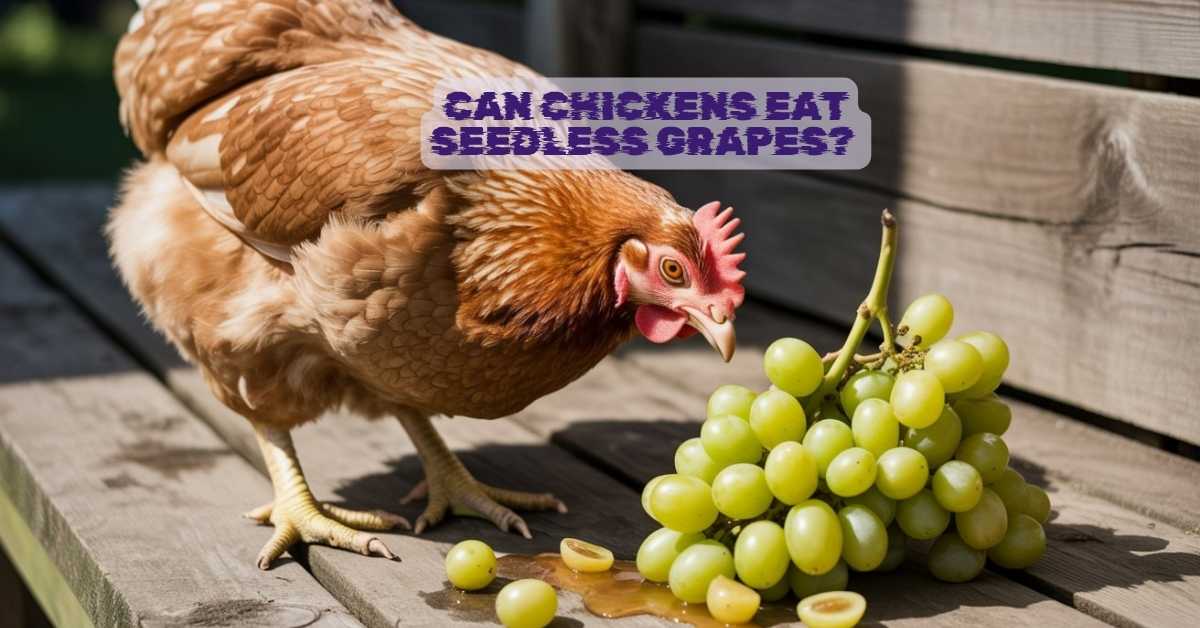
Can chickens eat seedless grapes? Yes—chickens can safely eat seedless grapes, and they often love them. However, they should only be fed in moderation as an occasional treat, not as a regular part of their diet. Seedless grapes are non-toxic, hydrating, and rich in antioxidants, but their high natural sugar content (around 15–18%) means overfeeding can lead to digestive issues and nutritional imbalance.
If you’re raising backyard chickens, you’ve probably wondered whether fruits like grapes are safe. This guide explains everything in simple terms—from benefits and risks to feeding frequency, portion sizes, and expert tips—so you can keep your flock healthy and productive.
Are Seedless Grapes Safe for Chickens?
Seedless grapes are completely safe for chickens when fed correctly. Chickens are omnivores with flexible diets, meaning they can eat fruits, vegetables, grains, and even insects. Grapes fall into the category of safe fruit treats.
Unlike some foods, grapes are:
- Non-toxic
- Easy to digest
- Widely accepted by chickens
There’s often confusion about seeds. The truth is, grape seeds are not toxic to chickens, but seedless grapes are preferred because they are easier to eat and reduce choking risk.
👉 In simple terms: safe food, but not essential food.
Seedless vs Regular Grapes – Which Is Better?
When comparing grape types, the difference is mostly about convenience and safety.
| Feature | Seedless Grapes | Regular Grapes |
|---|---|---|
| Ease of eating | Very easy | Moderate |
| Choking risk | Lower | Slightly higher |
| Digestibility | Better | Good |
| Nutritional value | Same | Same |
Seedless grapes are the better option because:
- They are easier for chickens to peck
- They reduce the chance of choking
- They simplify feeding preparation
Nutritional Value of Seedless Grapes for Chickens
Seedless grapes are hydration-rich fruits with moderate nutritional value.
| Nutrient | Amount (Approx.) | Benefit |
|---|---|---|
| Water | ~80–82% | Hydration |
| Natural Sugar | ~15–18% | Quick energy |
| Carbohydrates | ~17–20g/100g | Energy source |
| Protein | ~0.6–1g/100g | Very low |
| Vitamins | C, K | Immune support |
While grapes provide vitamins and antioxidants, they are low in protein, which is essential for chickens.
👉 That’s why grapes should be treated as supplements, not staple feed.
Benefits of Feeding Seedless Grapes to Chickens
Even though grapes aren’t essential, they offer a few useful benefits.
1. Hydration Boost
With over 80% water content, grapes help chickens stay hydrated—especially in hot weather.
2. Antioxidants and Vitamins
Grapes contain vitamin C and K, which support immunity and overall health.
3. Natural Energy Source
The natural sugars provide quick energy, useful for active chickens.
4. Enrichment and Behavior
Chickens enjoy pecking at grapes, which encourages natural foraging behavior and reduces boredom.
Risks of Feeding Grapes to Chickens
Despite being safe, grapes come with some important risks.
1. High Sugar Content
Too many grapes can lead to:
- Weight gain
- Reduced egg production
- Digestive imbalance
2. Digestive Issues
Overfeeding can cause:
- Loose droppings
- Diarrhea
- Crop imbalance
3. Choking Hazard
Whole grapes can pose a risk, especially for smaller birds.
👉 Cutting grapes into halves or quarters reduces choking risk by up to 50%.
How Many Seedless Grapes Can Chickens Eat?
Portion control is critical.
A safe guideline:
- 1–2 grapes per chicken per serving
- Small flocks: 2–4 grapes total per feeding
Follow the 10% treat rule:
- 90% balanced feed
- ≤10% treats (including grapes)
👉 This keeps your chickens healthy while still allowing occasional treats.
How Often Can Chickens Eat Grapes?
Frequency matters as much as quantity.
- 2–3 times per week is ideal
- Avoid daily feeding
- Rotate with other treats
Feeding grapes too often increases sugar intake, which can negatively impact long-term health.
How to Feed Seedless Grapes to Chickens Properly
Proper preparation improves safety and digestion.
Best Feeding Methods
- Cut grapes into halves or quarters (½–¼ pieces)
- Serve fresh and clean
- Avoid spoiled or fermented grapes
Optional Feeding Methods
- Slightly chilled grapes
- Mixed with other fruits
Never mix grapes with:
- Dairy products
- Processed foods
Can Baby Chicks Eat Seedless Grapes?
Young chicks need special care.
Age Guidelines
- 0–3 weeks: Avoid grapes completely
- 3–6 weeks: Only finely chopped pieces
- 6–8 weeks: Limited introduction
Chicks require:
- High-protein starter feed (18–20%)
- Balanced nutrition for growth
👉 Grapes should never replace starter feed.
Frozen Grapes for Chickens (Hidden Feeding Trick)
Frozen grapes are an excellent treat during summer.
Benefits
- Cooling effect (15–30 minutes relief)
- Helps hydration
- Keeps chickens active
Safe Quantity
- 1–2 frozen grapes per chicken
- Feed 2–3 times weekly in hot weather
👉 This is a low-competition, high-value feeding strategy many overlook.
Grapes vs Other Fruits for Chickens
Not all fruits are equal. Here’s a quick comparison.
Grapes vs Apples
- Grapes: higher sugar
- Apples: more fiber
The Grapes vs Berries
- Berries: lower sugar, higher antioxidants
- Grapes: better hydration
Grapes vs Bananas
- Bananas: more calories
- Grapes: lighter and hydrating
👉 Best approach: rotate 2–3 fruit types weekly.
Are Raisins Safe for Chickens?
Raisins are dried grapes—but they are not equal.
| Factor | Grapes | Raisins |
|---|---|---|
| Water content | ~80% | Very low |
| Sugar level | Moderate | Very high |
| Safety | Safe | Limited use |
Raisins contain 2–3x more sugar than fresh grapes, making them less suitable.
👉 Feed raisins only rarely and in tiny amounts.
Safe vs Unsafe Fruits for Chickens
Safe Fruits
- Grapes (seedless preferred)
- Apples (without seeds)
- Berries
- Watermelon
Unsafe or Limited Fruits
- Avocado (toxic)
- Citrus (in excess)
- Moldy fruits
- Extremely sugary processed fruits
LEARN MORE: Can Chickens Eat Cream Cheese?
Are Fruits Enough for a Chicken’s Diet?
This is where many chicken owners go wrong.
Fruits are:
- Low in protein
- High in sugar
- Not nutritionally complete
Chickens need:
- Balanced poultry feed
- Protein for egg production
- Calcium for strong shells
👉 Fruits should always be supplements, not replacements.
Common Mistakes When Feeding Grapes to Chickens
Many beginners unintentionally harm their flock.
- Feeding too many grapes
- Giving whole grapes (choking risk)
- Offering fruit daily
- Ignoring nutritional balance
Avoiding these mistakes ensures long-term flock health.
Expert Feeding Tips for Chickens
Experienced poultry keepers follow simple but effective rules:
- Maintain a 90/10 feed-to-treat ratio
- Introduce new foods gradually
- Monitor digestion and behavior
- Rotate different fruits and vegetables
A well-managed diet leads to:
- Better egg production
- Stronger immunity
- Healthier chickens
FAQs
Can chickens eat seedless grapes every day?
No. Daily feeding increases sugar intake and can cause health issues.
Are grapes toxic to chickens?
No, grapes are completely safe when fed properly.
Can chickens eat grapes with seeds?
Yes, but seedless grapes are easier and safer to eat.
Should grapes be cut before feeding?
Yes, cutting reduces choking risk and improves digestion.
Can chickens eat frozen grapes?
Yes, in moderation—especially useful in hot weather.
Final Verdict: Should You Feed Seedless Grapes to Chickens?
Seedless grapes are a safe, enjoyable, and hydrating treat for chickens—but they are not a necessity.
- ✅ Safe in moderation
- ⚠️ High in natural sugar
- ❌ Not a substitute for proper feed
👉 The best approach is balance. Feed your chickens a nutrient-rich diet, and use grapes as an occasional reward.
In simple terms: seedless grapes are a treat your chickens will love—but your feeding strategy determines whether they thrive.