
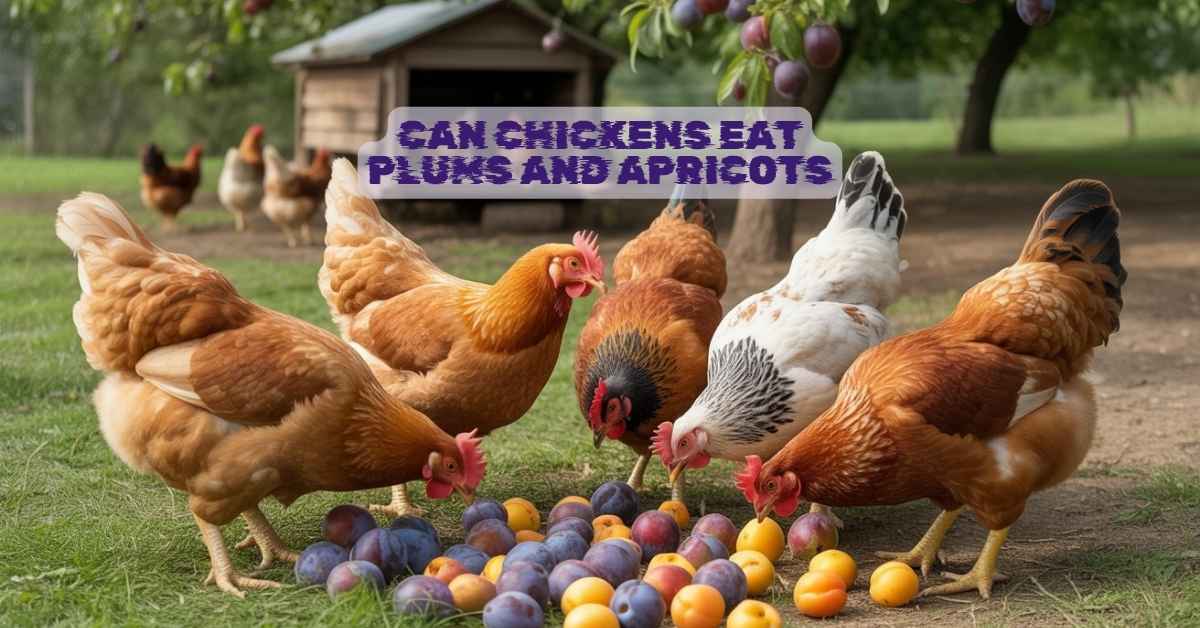
Can chickens eat plums and apricots? Yes—chickens can eat plums and apricots, but only the flesh. The pits and seeds must always be removed because they contain cyanogenic glycosides, which release toxic hydrogen cyanide when ingested. When fed correctly and in moderation, these fruits can be a healthy, hydrating treat for your flock.
Backyard chicken keepers often include fruits in a natural chicken diet, but not all parts of fruit are safe. Understanding stone fruit safety for chickens, feeding limits, and preparation methods can make the difference between a nutritious snack and a dangerous mistake.
Are Plums and Apricots Safe for Chickens?
Plums and apricots belong to a category known as stone fruits, which contain a soft edible flesh surrounding a hard central pit. For chickens, this distinction is critical.
Safe vs Toxic Parts Explained
| Fruit Part | Safety Level | Explanation |
|---|---|---|
| Flesh | Safe | Rich in vitamins and hydration |
| Skin | Mostly safe | Contains fiber and nutrients |
| Pit/Seed | Toxic | Contains cyanide compounds |
The edible portions contribute to poultry nutrition, while the pits pose a serious risk due to toxin metabolism in poultry.
Why Fruit Seeds Are Dangerous
The pits of plums and apricots contain cyanogenic glycosides, which convert into hydrogen cyanide during digestion. This toxin interferes with oxygen transport in the body, making it dangerous even in small amounts.
👉 Important Rule: 0% safe level for pits—never feed them under any circumstances.
This is one of the most critical aspects of feeding fruit to chickens safely, yet many general guides fail to explain the underlying mechanism.
Nutritional Benefits of Plums and Apricots
When properly prepared, these fruits offer valuable nutrients that support avian health.
Key Nutritional Components
| Nutrient | Benefit |
|---|---|
| Vitamin A | Supports vision and immunity |
| Vitamin C | Boosts immune system |
| Potassium | Maintains muscle function |
| Calcium | Supports eggshell strength |
These fruits are also high in water content, making them ideal during hot weather for hydration and heat stress reduction.
Hydration and Antioxidant Benefits
Plums and apricots contain antioxidants that help reduce oxidative stress in chickens. This contributes to better digestive health and improved overall vitality.
For free-range chickens, adding fruit occasionally mimics their natural feeding behavior, enhancing both health and enrichment.
Risks of Feeding Plums and Apricots
Despite their benefits, there are important risks to consider.
Toxicity from Pits and Seeds
The biggest danger lies in accidental ingestion of pits. Even a small amount can lead to cyanide toxicity, making strict preparation essential.
High Sugar Content
| Type | Sugar Content |
|---|---|
| Fresh Plums | ~16g per serving |
| Dried Plums | ~66g per serving |
Excess sugar can lead to:
- Weight gain
- Digestive imbalance
- Reduced egg production
Digestive Issues from Overfeeding
Chickens that consume too much fruit may experience:
- Loose droppings
- Reduced appetite
- Nutritional imbalance
What Happens If Chickens Eat Plum or Apricot Pits?
Accidental ingestion of pits can lead to toxic reactions.
Symptoms of Cyanide Poisoning
- Lethargy
- Difficulty breathing
- Weakness
- Loss of coordination
Toxicity Timeline
| Time After Ingestion | Effects |
|---|---|
| 12–24 hours | Early symptoms appear |
| 24–48 hours | Symptoms may worsen |
Immediate action is essential if exposure is suspected.
How Much Plums and Apricots Can Chickens Eat?
Moderation is key to safe feeding.
Safe Feeding Guidelines
| Factor | Recommendation |
|---|---|
| Diet Ratio | 90% feed + 10% treats |
| Portion Size | 1–2 small pieces per chicken |
| Frequency | 1–2 times per week |
A typical chicken consumes 100–150 grams of feed daily, so fruit should remain a small supplement.
How to Prepare Plums and Apricots for Chickens
Preparation directly impacts safety.
Step-by-Step Method
- Wash fruit thoroughly
- Remove pits completely (100%)
- Cut into 2–4 bite-sized pieces
- Serve fresh
Fresh vs Dried vs Cooked Fruit
| Type | Recommendation |
|---|---|
| Fresh | Best option |
| Dried | High sugar, limit intake |
| Cooked | Acceptable but less nutritious |
Plums vs Apricots: Which Is Better for Chickens?
Both fruits are safe when prepared properly, but they differ slightly.
| Feature | Plums | Apricots |
|---|---|---|
| Water Content | Higher | Moderate |
| Sugar Level | Moderate | Slightly higher |
| Nutrient Density | Balanced | Rich in vitamin A |
Neither fruit is inherently better, but variety improves diet quality.
Safe vs Toxic Fruit Parts (Quick Comparison)
| Fruit Component | Safety |
|---|---|
| Flesh | Safe |
| Skin | Safe |
| Pit/Seed | Toxic |
This distinction is essential for safe fruit feeding practices.
Signs You Are Feeding Too Much Fruit
Overfeeding can affect your flock’s health.
Warning Indicators
- Decreased egg production
- Watery droppings
- Reduced feed consumption
These signs indicate an imbalance in the chicken diet.
Feeding Fruit to Chickens the Right Way
Maintaining a balanced poultry diet is critical.
Golden Rule
👉 90% commercial feed + 10% treats
This ensures chickens receive essential nutrients while still enjoying variety.
Other Safe Fruits Chickens Can Eat
Adding diversity improves nutrition.
| Fruit | Benefit |
|---|---|
| Apples (no seeds) | Fiber and vitamins |
| Berries | Antioxidants |
| Melons | Hydration |
| Bananas | Energy boost |
Fruits Chickens Should Avoid
Not all fruits are safe.
| Food | Risk |
|---|---|
| Avocado | Toxic |
| Rotten fruit | Harmful bacteria |
| Fruit with pits | Cyanide poisoning |
Backyard Case Study: Feeding Stone Fruits
A backyard flock of 10 chickens was fed small portions of plum flesh twice weekly. After 4 weeks:
- No health issues observed
- Egg production remained stable
- Improved hydration during hot weather
Lesson: Proper preparation and moderation ensure safe feeding.
LEARN MORE: Can Chickens Eat Garlic Scapes
Expert Tips for Feeding Fruits to Chickens
“Healthy chickens thrive on balance, not excess.”
- Always remove seeds
- Feed fruit occasionally
- Observe flock behavior
These practices create a safe feeding environment.
FAQs About Chickens, Plums, and Apricots
Can chickens eat apricot flesh safely?
Yes, the flesh is safe when pits are removed.
Are plum pits poisonous to chickens?
Yes, they contain toxic cyanide compounds.
Can chickens eat dried plums?
Yes, but limit due to high sugar.
What fruits are safest for chickens?
Fresh, seedless fruits in small portions.
Final Verdict: Should Chickens Eat Plums and Apricots?
Plums and apricots can be a healthy addition to a chicken’s diet, but only when handled correctly. The flesh is safe and nutritious, while the pits are strictly dangerous.
👉 The rule is simple: Remove the pits, control portions, and feed occasionally.
Key Takeaways
- Chickens can eat plums and apricots safely
- Pits must be removed (0% safe level)
- Follow the 10% treat rule
- Limit feeding to 1–2 times per week
- Use fresh fruit for best results