
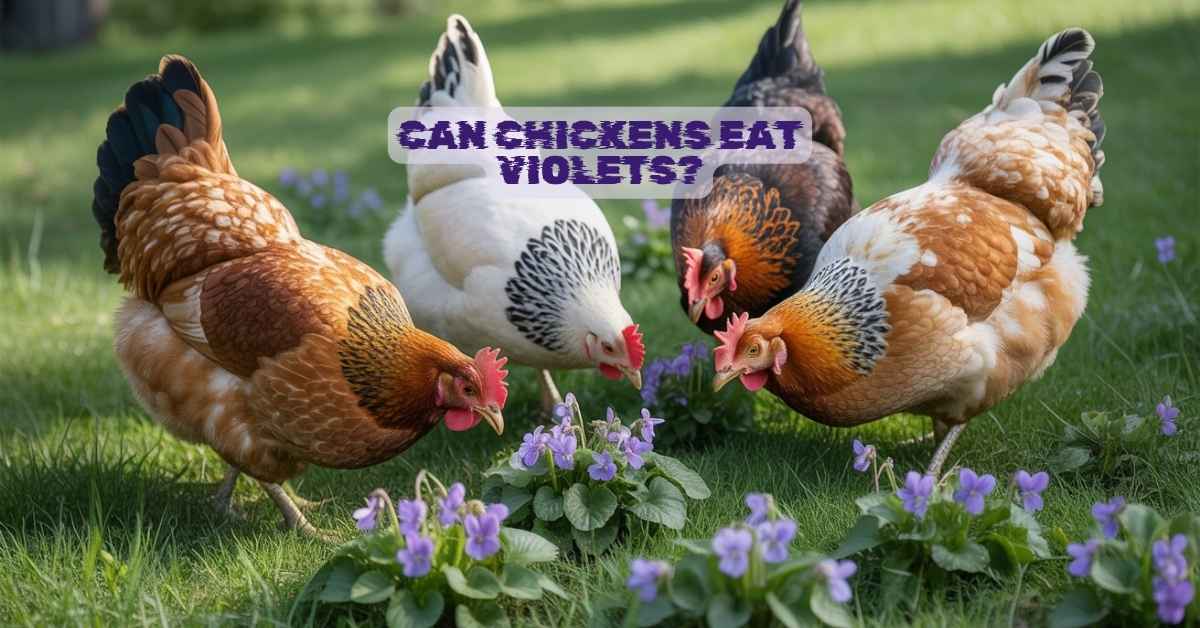
Can chickens eat violets? Yes—chickens can eat violets, and they are generally considered safe, non-toxic, and even nutritious when offered in moderation.
If you’re wondering can chickens eat violets? the answer is reassuring: true violets (Viola species) are edible plants for chickens, providing natural vitamins and antioxidants. However, like any treat in a backyard chicken diet, they should be chemical-free, correctly identified, and fed in small amounts.
This complete guide explains everything you need to know about feeding violets to chickens, including safety, nutrition, risks, and best practices—so you can build a healthy, balanced poultry diet.
Can Chickens Eat Violets?
Yes, chickens can eat violets safely. These small flowering plants belong to the Viola species, which are widely recognized as non-toxic plants for poultry. Chickens naturally peck at edible weeds and flowers, making violets a perfect addition to their natural foraging diet.
That said, moderation matters. Even safe foods should only make up ≤10% of a chicken’s total diet, ensuring proper nutritional balance.
Are Violets Safe or Toxic for Chickens?
Violets are firmly in the category of safe plants for chickens. Unlike harmful vegetation, they contain no known toxic compounds that affect poultry health.
However, plant safety depends on correct identification. Not every plant called a “violet” is harmless. True violets are part of the Viola genus, while some look-alikes may belong to entirely different plant families.
Why Identification Matters
- 100% accurate identification is critical
- Avoid confusion with toxic plants like:
- foxglove
- nightshade
- Always verify before feeding
This simple step protects your flock from accidental plant poisoning.
Nutritional Benefits of Violets for Chickens
Violets are more than just safe—they provide valuable nutrients that support chicken health and vitality.
Vitamins and Antioxidants
Violets contain:
| Nutrient | Benefit |
|---|---|
| Vitamin A | Supports vision and immune health |
| Vitamin C | Boosts immunity and reduces stress |
| Antioxidants | Help fight inflammation |
These nutrients make violets a useful addition to a natural chicken feed system.
Digestive and Immune Support
Because violets are fiber-rich greens, they help:
- Improve digestion
- Support gut health
- Enhance nutrient absorption
This aligns with a balanced poultry nutrition strategy, especially for free-range flocks.
Why Chickens Naturally Eat Violets (Foraging Behavior)
Chickens are instinctive foragers. In a free-range environment, they spend most of their day searching for:
- Edible greens
- Seeds
- Insects
- Flowers
Violets fit perfectly into this pattern. Their small size (4–6 inches tall) and soft leaves make them easy to peck and consume.
This behavior reflects natural grazing patterns, where chickens self-select foods that complement their diet.
Types of Violets Chickens Can Eat
Not all violets are identical, but most common varieties are safe.
| Type | Safe? | Notes |
|---|---|---|
| Wild violets | ✅ Safe | Common lawn weed |
| Garden violets | ✅ Safe | Must be pesticide-free |
| African violets | ⚠️ Limited data | Indoor plant, not typical feed |
Wild violets are the most common and are often considered edible weeds for chickens.
How Much Violets Can Chickens Eat?
Even healthy foods require moderation.
Recommended Feeding Guidelines
| Factor | Recommendation |
|---|---|
| Treat ratio | ≤10% of total diet |
| Frequency | 1–2 times per week |
| Portion | 1–2 handfuls (free-range) |
Chickens need a diet with 16–20% protein (for laying hens), usually provided by commercial feed. Violets should only serve as a supplemental green.
Are Violets a Good Food Source for Chickens?
Violets are a nutritious addition, but they are not a complete food.
They provide:
- Vitamins
- Fiber
- Antioxidants
But they lack:
- Sufficient protein
- Essential fats
- Balanced minerals
Think of violets as a natural treat, not a replacement for formulated poultry feed.
Risks to Consider Before Feeding Violets
Although violets are safe, certain risks must be addressed.
Pesticides and Chemical Exposure
Chickens should only eat plants that are:
- 100% chemical-free
- Untreated with pesticides or herbicides
Even safe plants become dangerous when contaminated.
Plant Misidentification
Mistaking a toxic plant for a violet can lead to serious issues. Always cross-check plant features before feeding.
Overfeeding Greens
Too many greens can cause:
- Digestive imbalance
- Reduced nutrient intake
- Loose droppings
Moderation ensures a balanced chicken diet.
Safe Ways to Feed Violets to Chickens
There are several safe ways to offer violets.
Feeding Methods
| Method | Description |
|---|---|
| Fresh forage | Chickens pick directly from yard |
| Mixed feed | Combine with grains |
| Hand feeding | Controlled portions |
Fresh foraging is the most natural and effective method.
Can Baby Chicks Eat Violets?
Baby chicks have a sensitive digestive system. While violets are not toxic, they are not ideal for young chicks.
Chicks require:
- High-protein starter feed
- Easily digestible nutrients
Small amounts may be tolerated, but it’s best to limit or avoid violets during early growth stages.
Can Chickens Eat Violet Leaves and Flowers?
Yes—both leaves and flowers are edible.
| Part | Benefit |
|---|---|
| Leaves | Fiber and minerals |
| Flowers | Antioxidants and vitamins |
Together, they provide a well-rounded plant-based nutrient source.
Comparison: Violets vs Other Safe Flowers for Chickens
| Flower | Safe? | Key Benefit |
|---|---|---|
| Violets | ✅ | Vitamins + antioxidants |
| Dandelions | ✅ | Digestive support |
| Clover | ✅ | Protein content |
| Marigold | ✅ | Enhances egg yolk color |
This comparison highlights how violets fit into a broader chicken foraging food system.
Toxic Plants Chickens Should Avoid
To maintain safety, avoid feeding these plants:
| Plant | Toxic Compound |
|---|---|
| Foxglove | Cardiac toxins |
| Nightshade | Alkaloids |
| Buttercup | Irritants |
| Rhubarb leaves | Oxalic acid |
| Castor bean | Ricin |
Including these contrasts improves your understanding of safe vs unsafe foods for chickens.
Seasonal Availability of Violets
Violets are naturally available during specific times of the year.
| Factor | Detail |
|---|---|
| Bloom season | Early spring |
| Growth cycle | Perennial (regrows yearly) |
| Height | 4–6 inches |
This seasonal growth makes them a natural spring food source for chickens.
Common Myths About Chickens Eating Flowers
Many misconceptions exist about chicken feeding.
“All flowers are safe.” False. Some flowers are highly toxic.
“Chickens instinctively avoid harmful plants.” Not always. Chickens may eat toxic plants if available.
Understanding these myths helps prevent feeding mistakes.
What To Do If Chickens Eat Unknown Plants
If your chicken eats an unfamiliar plant:
- Observe behavior closely
- Provide clean water
- Watch for symptoms within 1–6 hours
- Contact a vet if needed
Quick action reduces risk and ensures safety.
Expert Tips for a Balanced Chicken Diet
Maintaining a healthy flock requires consistency.
- Keep treats under 10% of total intake
- Provide fresh water daily
- Combine grains, greens, and protein
- Monitor flock behavior regularly
These steps improve overall poultry health and productivity.
LEARN MORE: Can Chickens Eat Dry Beans?
Case Study: Backyard Chickens and Natural Foraging
A backyard chicken owner allowed their flock to free-range in a garden rich with wild violets, clover, and dandelions. Over time, the chickens displayed:
- Increased activity
- Improved feather quality
- Better digestion
The addition of natural edible plants enhanced their diet without replacing commercial feed.
Lesson: Natural foraging supports balanced nutrition and healthier chickens.
FAQ: Chicken Feeding and Violets
Can chickens eat violets?
Yes, violets are safe and non-toxic for chickens.
Are violets poisonous to chickens?
No, true violets (Viola species) are safe.
Can chickens eat violet leaves?
Yes, leaves are edible and provide fiber.
Can chickens eat flowers safely?
Some flowers are safe, but always verify plant type.
What plants are safe for chickens?
Violets, dandelions, clover, and marigolds are safe options.
Final Verdict
Violets are a safe, nutritious, and natural treat for chickens. They provide vitamins, antioxidants, and fiber, making them a valuable addition to a backyard chicken diet. However, they must be:
- Correctly identified
- Free from chemicals
- Fed in moderation (≤10% of diet)
By following these guidelines, you can confidently include violets in your flock’s diet while maintaining optimal health and safety.