
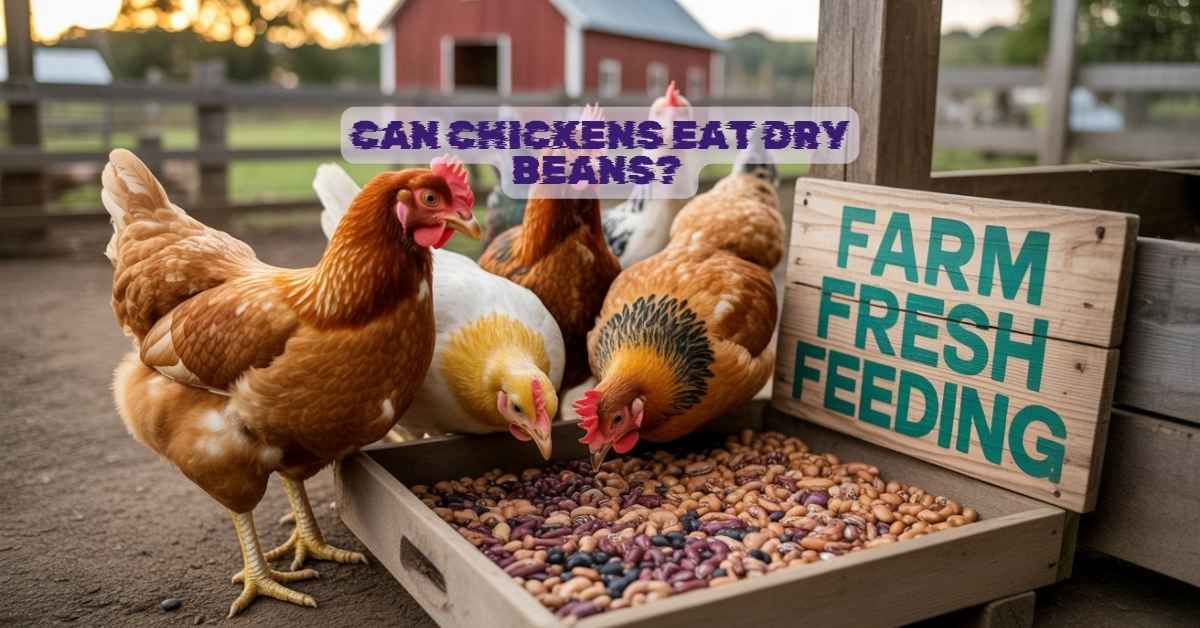
Can chickens eat dry beans? The short answer is no—dry or raw beans are unsafe for chickens because they contain toxic compounds called lectins (phytohaemagglutinin). However, fully cooked beans can be safe in moderation when prepared correctly.
Understanding the difference is critical for chicken diet safety, especially if you’re raising backyard chickens and want to avoid common feeding mistakes.
This guide explains everything—from bean toxicity and symptoms to safe preparation methods, feeding limits, and better alternatives—so you can make informed decisions about your flock’s nutrition.
Why Dry Beans Are Dangerous for Chickens
Dry beans might look harmless, but they contain anti-nutritional factors that can seriously harm poultry. The most concerning compound is phytohaemagglutinin, a type of lectin toxicity commonly found in raw legumes like kidney beans and black beans.
When chickens consume raw beans, these toxins interfere with the poultry digestive system, damaging the gut lining and disrupting nutrient absorption. Even a small quantity—around 5–6 raw beans—can trigger poisoning symptoms.
Unlike many foods chickens can tolerate, raw beans are not just difficult to digest—they are actively toxic. This is why most chicken feeding guides classify them under dangerous foods for chickens.
What Happens If Chickens Eat Raw or Dry Beans?
Early Symptoms of Toxicity
Symptoms usually appear quickly, often within 1–6 hours after ingestion. You may notice:
- Lethargy or unusual inactivity
- Diarrhea and digestive upset
- Loss of appetite
- Weakness or unsteady movement
These signs indicate gastrointestinal distress in poultry, caused by toxin exposure.
Severe Reactions and Risks
In more serious cases, toxicity can escalate rapidly. Chickens may suffer from:
- Severe dehydration
- Organ stress
- Collapse or sudden death within 24 hours
Because chickens have a sensitive digestive system, toxin buildup can progress faster than in larger animals.
The Science Behind Bean Toxicity
Understanding the science helps explain why beans must be handled carefully. Raw beans contain lectins, which bind to carbohydrates in the digestive tract. This disrupts normal gut function and leads to nutrient malabsorption.
Scientific studies show that:
- Lectins are heat-sensitive proteins
- They are destroyed when heated to 100°C (212°F)
- Cooking below 80°C may actually increase toxicity
This process is known as heat denaturation of toxins. Proper boiling breaks down the harmful compounds, making beans safe for consumption.
Can Chickens Eat Cooked Beans Safely?
Yes, chickens can eat cooked beans, but only under strict conditions. Beans must be:
- Fully cooked until soft
- Prepared without salt, spices, or additives
- Served in small amounts
Cooking neutralizes harmful compounds, turning beans into a moderate protein source for chickens. However, they should never replace a balanced feed.
How to Prepare Beans for Chickens (Step-by-Step)
Proper preparation is essential for safe poultry feeding.
Safe Preparation Process
| Step | Requirement |
|---|---|
| Soaking | 8–12 hours |
| Boiling | 10–30 minutes at 100°C |
| Water Use | Discard soaking water completely |
| Texture | Beans must be fully softened |
Common Preparation Mistakes to Avoid
- Using slow cookers (may not reach safe temperatures)
- Feeding partially cooked beans
- Offering canned beans high in sodium
Skipping any step can leave residual toxins, putting your flock at risk.
Types of Beans and Their Safety for Chickens
Different beans vary in toxicity and digestibility.
| Bean Type | Raw Safety | Cooked Safety | Notes |
|---|---|---|---|
| Kidney beans | ❌ Toxic | ✅ Safe | Highest lectin content |
| Black beans | ❌ Unsafe | ✅ Safe | Must be cooked thoroughly |
| Lentils | ⚠️ Risky | ✅ Safe | Easier digestion |
| Green beans | ✅ Safe | ✅ Safe | Not toxic |
This table helps clarify safe vs unsafe foods for chickens, a key factor in building a healthy feeding plan.
How Much Beans Can Chickens Eat?
Even when cooked properly, beans should only be given in moderation.
Recommended feeding guidelines:
- Portion size: 1–2 tablespoons per serving
- Frequency: 1–2 times per week
- Treat ratio: ≤10% of total diet
Chickens require a balanced diet with 16–20% protein for laying hens, usually provided by commercial feed. Beans should be considered an occasional supplement, not a staple.
Are Beans a Good Protein Source for Chickens?
Beans contain about:
- 8–9g protein per 100g
- 6–7g fiber
- 120–130 calories
While they provide plant-based protein, they are not as efficient as formulated poultry feed. Chickens are omnivores, and their diet should include a mix of grains, greens, and protein sources.
Compared to insects or commercial feed, beans are less bioavailable, meaning chickens absorb fewer nutrients.
Safer Alternatives to Beans for Chickens
If you’re looking for better options, consider these safer foods:
Natural and Safe Foods
- Grains like corn and wheat
- Leafy greens such as spinach and lettuce
- Fruits like apples (without seeds)
- Protein sources like mealworms
These foods align better with a natural chicken diet and support overall health without toxicity risks.
Foods You Should Never Feed Chickens
Expanding beyond beans, several foods are known to be harmful:
| Food | Toxic Compound |
|---|---|
| Avocado | Persin |
| Chocolate | Theobromine |
| Onions | Thiosulfate |
| Raw potato peels | Solanine |
| Moldy food | Mycotoxins |
Including this section strengthens your article’s topical authority on toxic foods for chickens.
Can Baby Chicks Eat Beans?
Baby chicks have a more delicate digestive system and cannot process complex foods easily. Even cooked beans are not recommended.
Chicks require:
- High-protein starter feed
- Easily digestible nutrients
- Controlled feeding environment
Introducing beans too early can lead to digestive complications and poor growth.
Can Chickens Eat Canned or Processed Beans?
Canned beans are not ideal because they often contain:
- High sodium levels
- Preservatives
- Additives harmful to poultry
If used at all, they must be:
- Rinsed thoroughly
- Unsalted and plain
- Given in very small amounts
Still, fresh cooked beans remain the safer option.
Common Myths About Chickens and Beans
Many chicken owners believe:
“Chickens can eat anything.”
This is a dangerous misconception. While chickens are adaptable eaters, they are still vulnerable to foodborne toxins.
Another myth:
“All beans are safe once dried.”
In reality, drying does not remove toxins—only proper cooking does.
What To Do If Your Chicken Eats Dry Beans
If you suspect ingestion, act quickly:
- Remove access to the source
- Provide clean drinking water
- Observe behavior closely for 1–6 hours
- Contact a veterinarian if symptoms appear
Early intervention can prevent serious complications.
Expert Tips for a Safe Chicken Diet
Maintaining a healthy flock requires consistency and awareness.
Key principles include:
- Keep treats below 10% of total intake
- Avoid sudden dietary changes
- Monitor flock behavior daily
- Provide clean water at all times
These practices improve feed conversion ratio and overall health.
LEARN MORE: Can Chickens Eat Mums?
Case Study: Backyard Flock Feeding Mistake
A small backyard farmer introduced raw beans as a protein supplement. Within hours, several chickens showed signs of lethargy and digestive distress. After veterinary consultation, the cause was identified as lectin poisoning.
After switching to properly cooked beans and balanced feed, the flock recovered within 24–48 hours.
Lesson: Even natural foods can be dangerous without proper preparation.
FAQ: Chicken Feeding and Bean Safety
Can chickens eat dry beans?
No, dry beans are toxic due to lectins and should never be fed raw.
Are raw beans poisonous to chickens?
Yes, even small amounts can cause poisoning.
Can chickens eat cooked kidney beans?
Yes, but only when fully cooked and served in moderation.
How do you make beans safe for chickens?
Soak, boil at 100°C, and ensure they are soft and toxin-free.
What foods are toxic to chickens?
Foods like avocado, chocolate, onions, and raw beans are harmful.
Final Verdict
Dry beans are unsafe for chickens and should always be avoided. The presence of lectins and phytohaemagglutinin makes them toxic, even in small amounts. However, when properly cooked, beans can serve as an occasional protein-rich treat.
For optimal results, focus on a balanced poultry diet, prioritize safety, and avoid unnecessary risks. A well-fed chicken is not just productive—it’s healthier, stronger, and more resilient.
By combining scientific accuracy, feeding guidelines, and practical advice, you can ensure your flock thrives while avoiding common dietary mistakes.